Part A Self-Introduction

A_1
My name is ________. What is your name?
A_2
My name is ________. Nice to meet you.

A_3
Nice to meet you too, ________. How are you today?
A_4
| Answer: |
A_5
I see. Let’s start our lesson.
Part B Warm-up
B_1
Let’s have a brief talk about today’s topic.
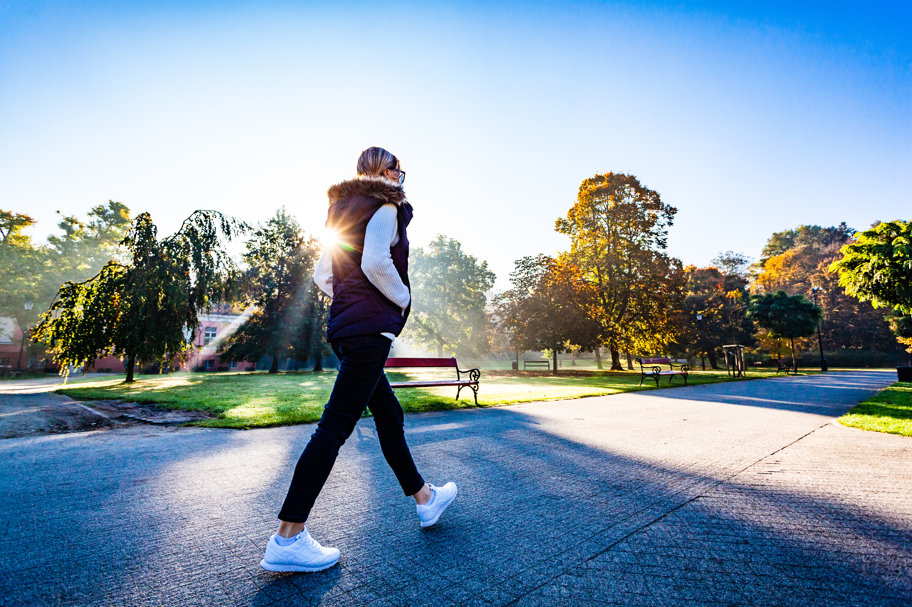
B_2
| 1. |
Do you have any healthy habits? (For example: walking, sleeping well, eating vegetables) |
| Answer: | |
| 2. |
Do you like spending time outside? (For example: walking, gardening, or playing sports.) |
| Answer: | |
| 3. |
How do you relax when you feel stressed? (For example: taking a bath, talking with friends) |
| Answer: |
B_3
Thank you for sharing your experience and knowledge!
Part C Vocabulary Preview
C_1
Let’s read the words and sample sentences aloud.
Please repeat after me.
Please repeat after me.
C_2
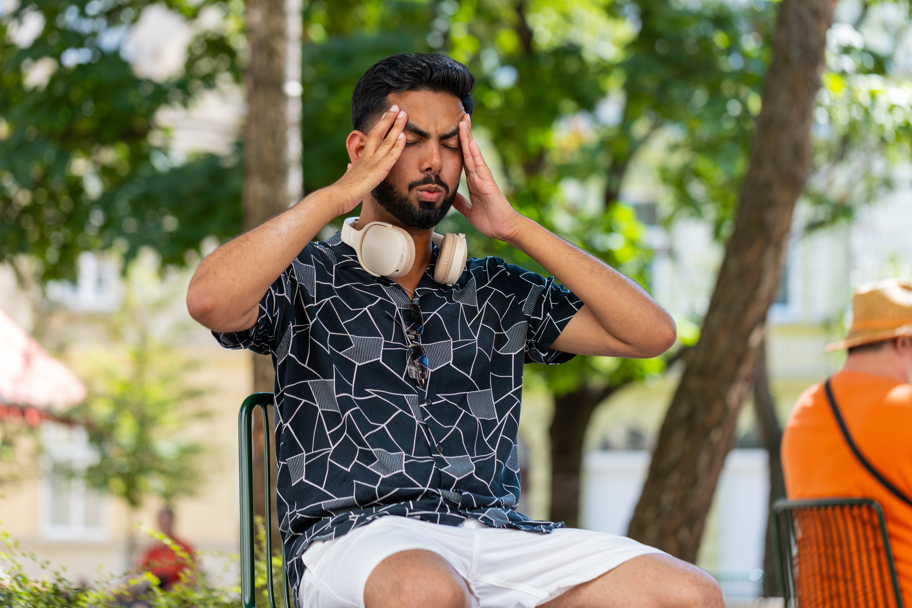
1. suffer from A Aで苦しむ
Many people suffer from stress in busy cities.
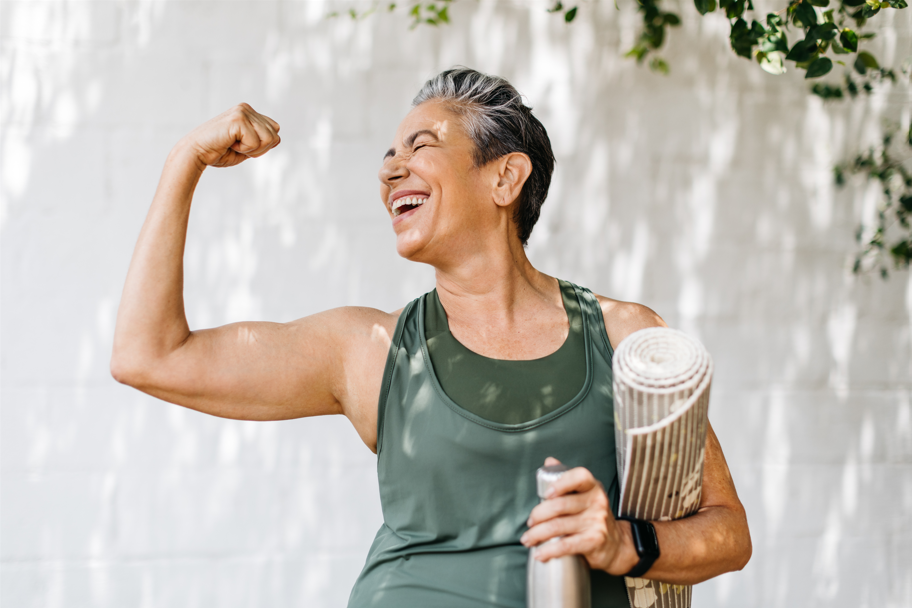
2. lead to A Aにつながる
Good habits can lead to a longer life.
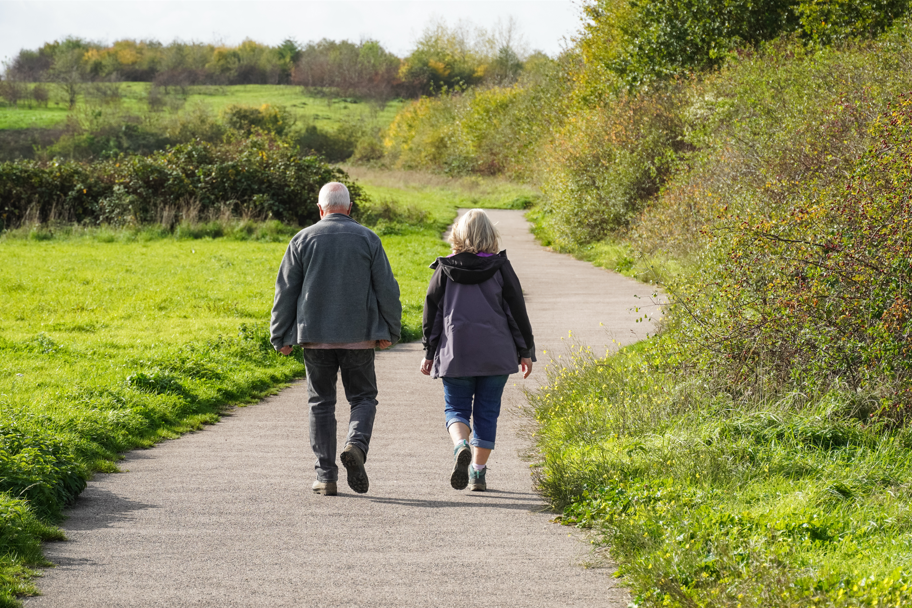
3. longevity 長寿
Good habits, like walking every day, can support longevity.

4. encourage A to do ~するようA を促す
His friends encourage him to stay active.
C_3
Let’s do some vocabulary quizzes. Read the sentence and guess the missing word(s) from the context.
C_4
suffer from A / lead to A / longevity / encourage A to do

1. My parents always ________ me ________ study every evening.
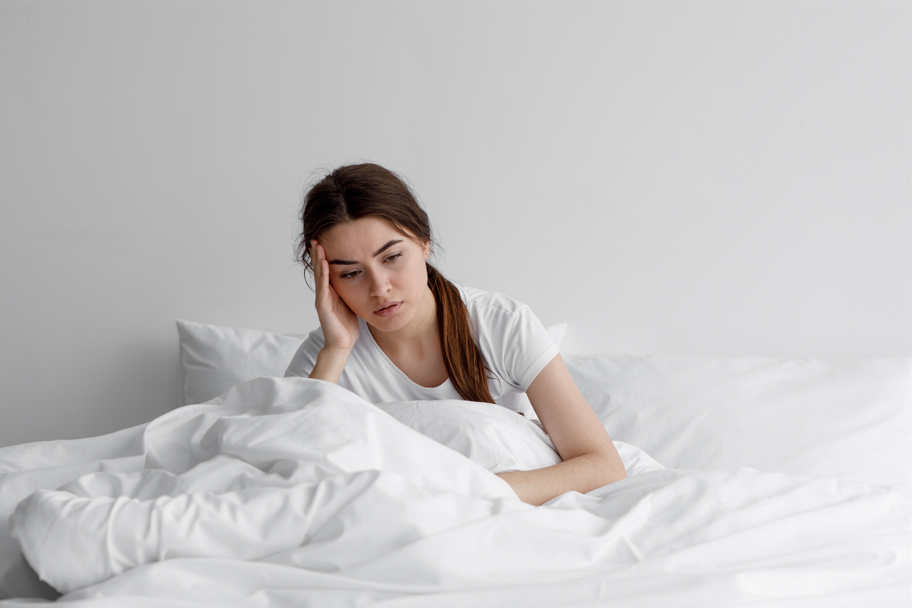
2. I sometimes ________ headaches when I don’t sleep enough.

3. Too much homework can ________ stress for many students.
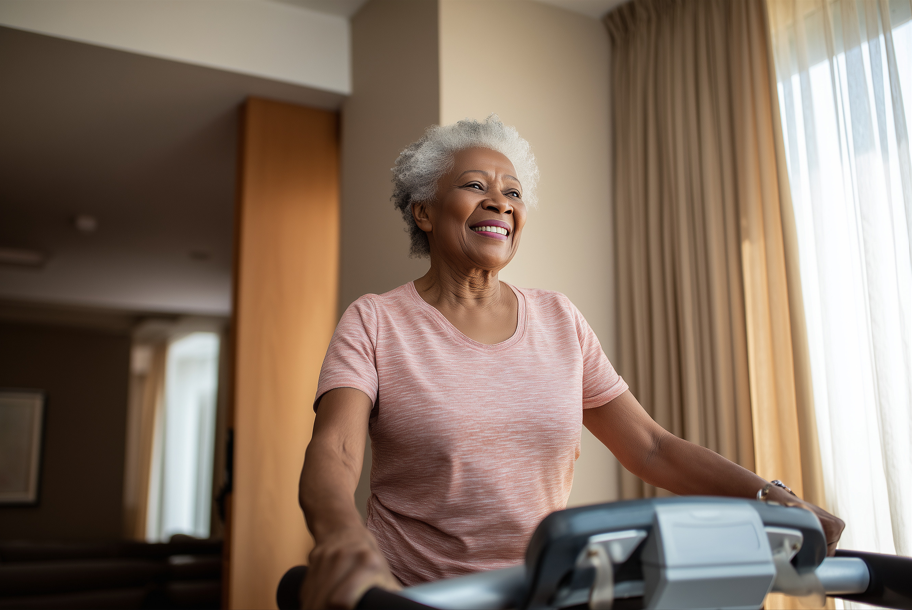
4. Good daily habits can improve your future _________________.
C_5
That’s wonderful! Let’s move on to the next activity.
Part D Reading & Comprehension Check
D_1
Let’s start by reading through today’s passage.
D_2
Secrets of Long Life
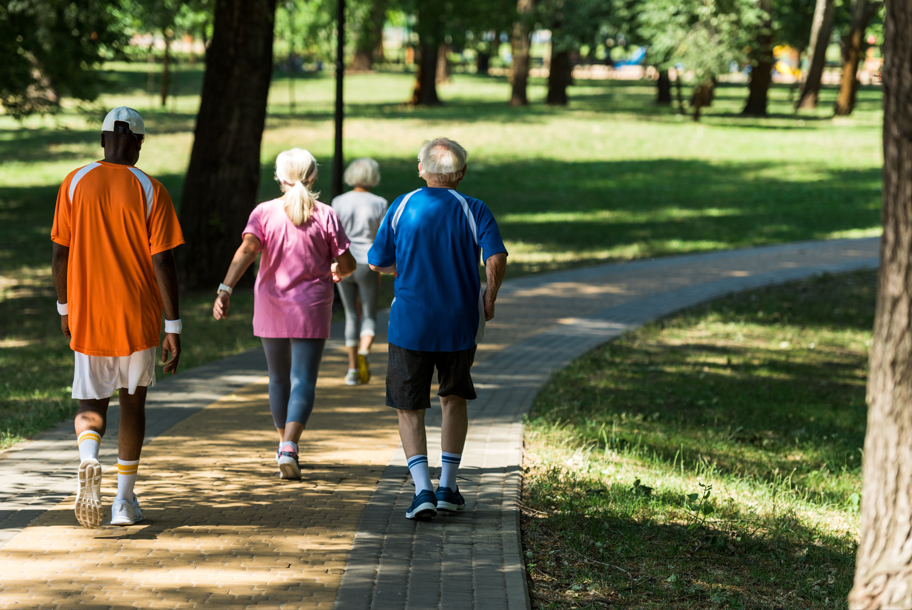
Researchers study why some people live longer than others, and they often find similar lifestyle habits. Many seniors stay close to family, which helps reduce stress and supports longevity. When people feel supported, they are less likely to suffer from serious problems. Regular movement also matters. Walking, gardening, or simple daily work can lead to better physical and mental health. Some older people look after plants or small gardens, which gives them purpose and keeps them active. Friends and local groups also help. They often encourage older adults to meet others, talk, and enjoy life. These habits may look small, but they can have an extraordinarily positive effect on life.
D_3
Now, please answer the questions based on the passage.
D_4
1. Who helps reduce stress for many seniors?
| Answer: | |
| 🔍 Hint: Think about the people who stay close to them. | |
2. What activity can lead to better health?
| Answer: | |
| 🔍 Hint: Look for an action that uses your body. | |
3. Why do older people look after plants?
| Answer: | |
| 🔍 Hint: It gives them something important in their daily life. | |
D_5
Excellent understanding! Wonderful job!
Part E Build Better Habits
E_1
Now, let’s talk about your daily healthy habits.
I’ll ask some questions about your day — morning, school, after school, and night.
Let’s find your best healthy habit together!
I’ll ask some questions about your day — morning, school, after school, and night.
Let’s find your best healthy habit together!

E_2
Step 1 — Talk About Your Day by Time Zones 🕒
Question 1:
What do you usually do in the morning / at school / after school and at night?
What do you usually do in the morning / at school / after school and at night?
Answer: In the morning, _________________
At school, ________________________
After school and at night, _________________
At school, ________________________
After school and at night, _________________
🔍 Hint:
Think about actions like eating 🍽️, going to school by walking 🚶♂️, studying 📚, using your phone 📱, playing games 🎮, listening to music 🎵, and staying up late.
Think about actions like eating 🍽️, going to school by walking 🚶♂️, studying 📚, using your phone 📱, playing games 🎮, listening to music 🎵, and staying up late.
E_3
Thank you! That’s a good habit!
E_4
Step 2 — Choose Healthy and Unhealthy Actions ⚖️
Question 1:
From your actions, which one is healthy?
And which one is not healthy?
From your actions, which one is healthy?
And which one is not healthy?
Answer:
Healthy: ___________________
Not healthy: _________________
Healthy: ___________________
Not healthy: _________________
🔍 Hint:
Healthy: walking 🚶♀️, eating breakfast 🍎, good sleep 😴
Not healthy: skipping meals ❌, too much screen time 📱💦, no exercise 🛋️
Healthy: walking 🚶♀️, eating breakfast 🍎, good sleep 😴
Not healthy: skipping meals ❌, too much screen time 📱💦, no exercise 🛋️
E_5
Nice! That’s a healthy action.
E_6
Step 3 — Explain Your Thinking
Question 1:
Why do you think these actions are healthy or not healthy?
Why do you think these actions are healthy or not healthy?
Answer:
I think _________ is healthy because ______________________________.
I think _________ is not healthy because ______________________________.
I think _________ is healthy because ______________________________.
I think _________ is not healthy because ______________________________.
🔍 Hint:
“It’s good for my body.” 💪 “It reduces stress.” 🧘“It makes me tired.” 😫 “It’s not good for my eyes.” 👀💦
“It’s good for my body.” 💪 “It reduces stress.” 🧘“It makes me tired.” 😫 “It’s not good for my eyes.” 👀💦
E_7
Excellent! Your reason makes sense.
E_8
Step 4 — Explore the “Why” Behind Unhealthy Habits 🔍
Question 1:
Why do you do the unhealthy habits?
Why do you do the unhealthy habits?
Answer: I think I _________ because ___________________.
🔍 Hint:
“I don’t have enough time.” ⏰“I feel stressed.” 😣“I’m too tired after school.” 🥱“It’s fun for me.” 😊“I want to relax.” 😌
“I don’t have enough time.” ⏰“I feel stressed.” 😣“I’m too tired after school.” 🥱“It’s fun for me.” 😊“I want to relax.” 😌
E_9
Thank you! Good explanation!
E_10
Step 5 — Create a Healthy Version of the Habit 💡
Question 1:
How can you change this habit to make it healthier?
How can you change this habit to make it healthier?
Answer: I can ______________________________.
🔍 Hint:
“Do it for a shorter time.” ⏰
“Add a small healthy action, like stretching.” 🙆♂️
“Make an easy rule for yourself.” 📘
“Change the time you do it so you are less tired.” 🌙➡️☀️
“Do it for a shorter time.” ⏰
“Add a small healthy action, like stretching.” 🙆♂️
“Make an easy rule for yourself.” 📘
“Change the time you do it so you are less tired.” 🌙➡️☀️
E_11
That’s wonderful! Let’s move on to the next activity.
Part F Free Talk
F_1
Let’s have a free talk.
F_2
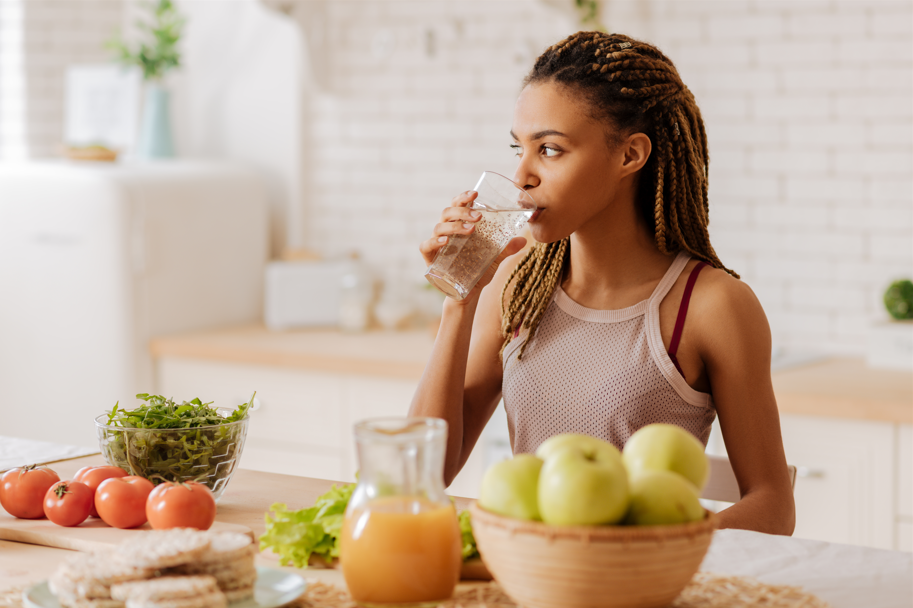
1. What food or drink gives you energy during the day?
| Answer: |
💡 Useful Phrases:
“I get energy from ______.”
“______ helps me stay active.”
“I get energy from ______.”
“______ helps me stay active.”
2. Do you want to live to be 100 years old? Why or why not?
“Yes, because ____________________.”
“No, because ____________________.”
“No, because ____________________.”
💡 Useful Phrases:
“I want a long / comfortable / healthy life.”
“I’m worried about ______.”
“I want a long / comfortable / healthy life.”
“I’m worried about ______.”
3. Which brings you more happiness: family time or time alone?
| Answer: |
💡 Useful Phrases:
“I feel happier when I spend time with ______.”
“I like being alone because ______.”
“I feel happier when I spend time with ______.”
“I like being alone because ______.”
4. How can young people help older people stay active and positive?
| Answer: |
💡 Useful Phrases:
“Young people can help by ______.”
“Young people can help by ______.”