Part A Self-Introduction

A_1
My name is ________. What is your name?
A_2
My name is ________. Nice to meet you.

A_3
Nice to meet you too, ________. How are you today?
A_4
| Answer: |
A_5
I see. Let’s start our lesson.
Part B Warm-up
B_1
Let’s have a brief talk about today’s topic.
B_2
| 1. |
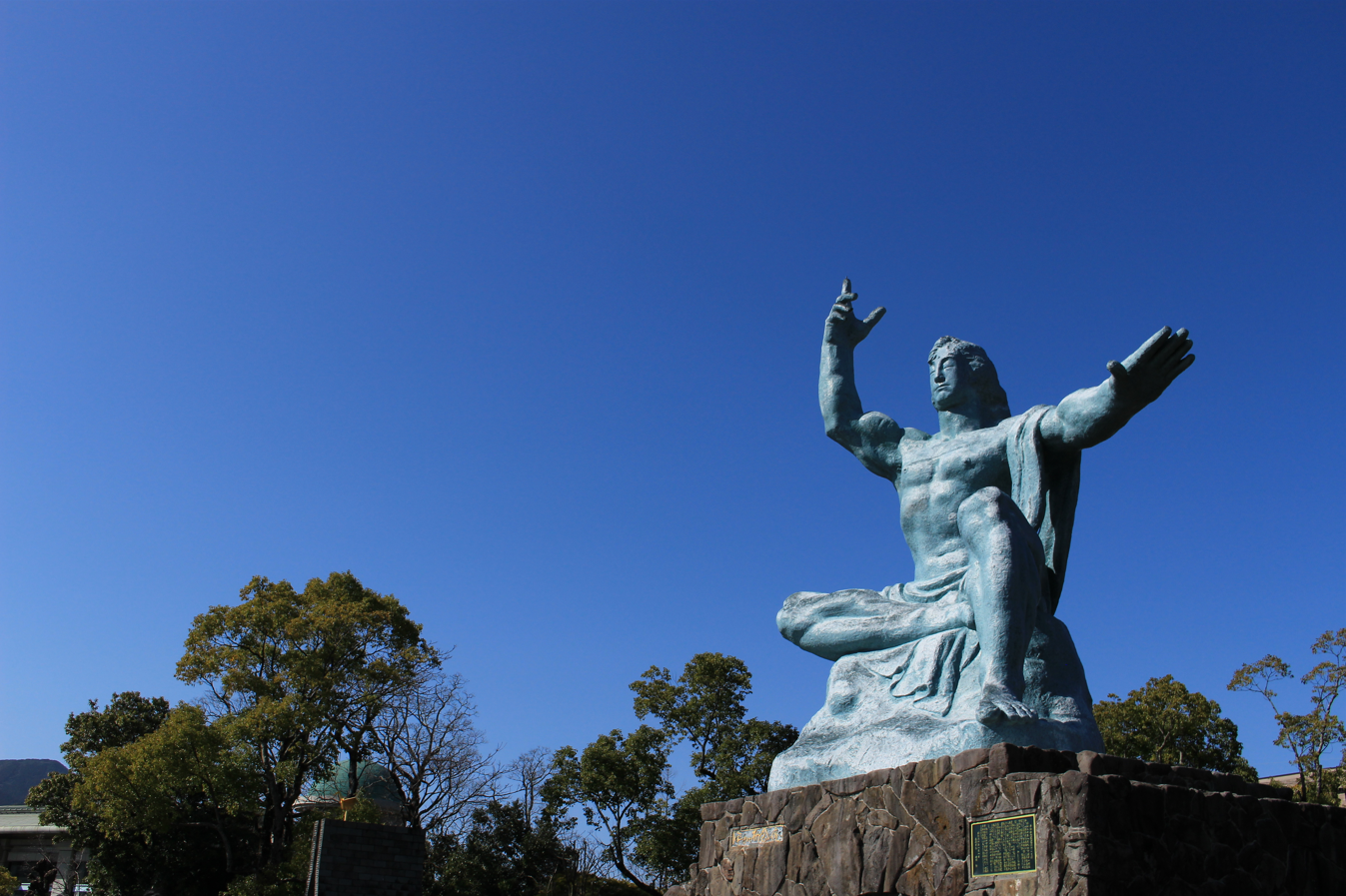
Have you ever been to Hiroshima or Nagasaki? (These are the cities where atomic bombs were dropped.) ▶ Yes: When did you go? What was the city like? ▶ No: Would you like to visit someday? Why or why not? |
| Answer: |
| 2. |
Have you ever been to Okinawa? (It’s the only place in Japan where a large ground battle occurred during the war.) ▶ Yes: When did you go? What was the city like? ▶ No: Would you like to visit someday? Why or why not? |
| Answer: |
B_3
Thank you for telling me about your thoughts!
Part C Vocabulary
C_1
Let’s read the words and sample sentences aloud.
Please repeat after me.
Please repeat after me.
C_2

1. regret 後悔する
I saw a man who showed deep regret about what happened in the past.

2. pass on A to B AをBに伝える
She wanted to pass on the memories of war to the next generation.

3. advocate 主張する人∕支援者
She became a peace advocate and started to speak about her story around the world.

4. reflect on … …を振り返る
After meeting the co-pilot, she began to reflect on the true meaning of peace.
C_3
Let’s do some vocabulary quizzes. Read each sentence and guess the missing word(s) from the context.
C_4

1. Let’s _______ on this information ______ the first-year students.

2. An __________ is someone who speaks up for peace or justice.

3. After the school festival, we had time to __________ on what went well and what didn’t.

4. Some students only study the day before a test, and they always ________ it later.
C_5
That’s wonderful! Let’s move on to the next activity.
Part D Reading & Your Opinion
D_1
Let’s start by reading through today’s passage.
D_2
From Anger to Forgiveness
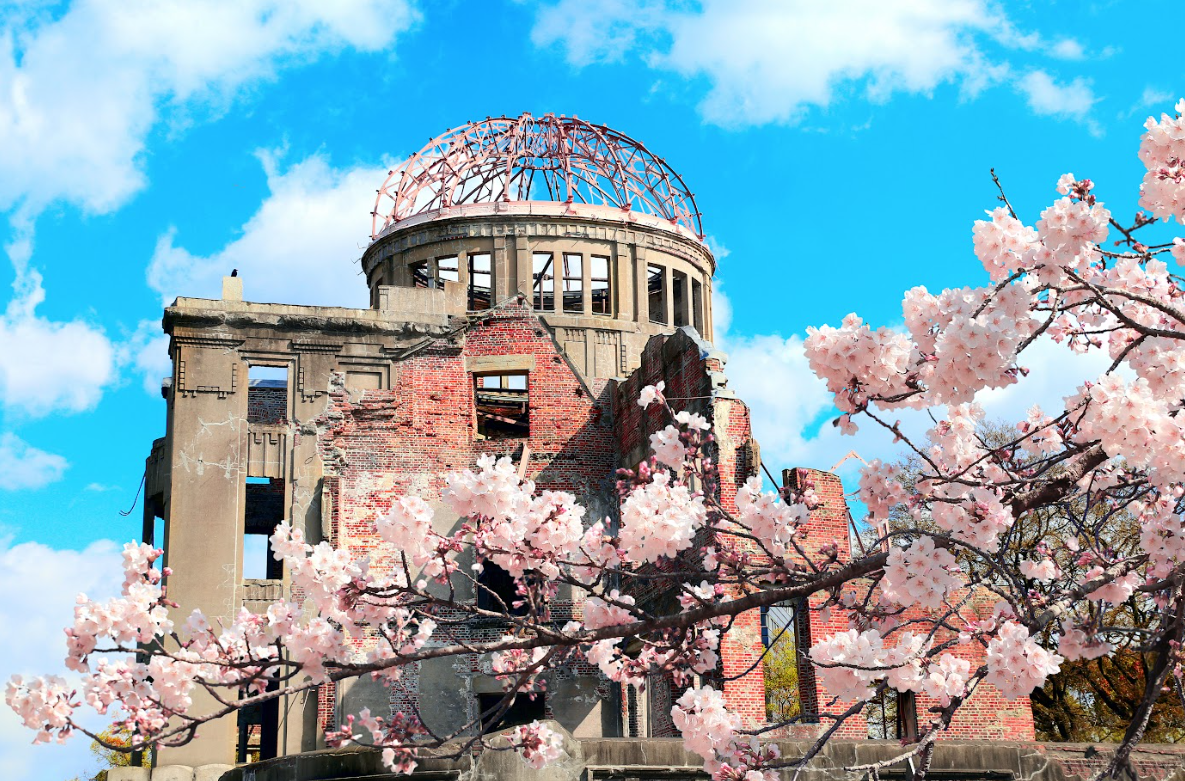
A woman who survived the Hiroshima bombing became a storyteller and peace advocate. She used to be angry with those who destroyed her city, but meeting a co-pilot filled with regret changed her. She realized it was not the pilot, but war, that she truly hated. Her father, who also survived, had an influence on her. She began to reflect on peace and chose to pass on stories from one generation to the next. Many people still suffer from war. Today, younger people pass down these memories so they are not forgotten. We should never give up on peace.
D_3
Now, express your opinion about today’s topic. Give at least one reason or example to support it. You have one minute to prepare.
D_4
Topic 1: World Leaders Visiting Hiroshima
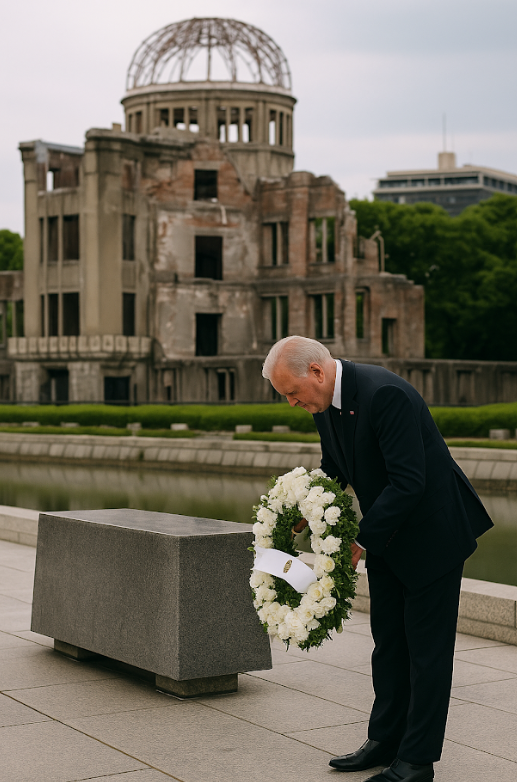
In 2016, the President of the United States visited Hiroshima and talked about peace. Some people said the visit was very meaningful, even though he did not offer an apology.
Question:
Do you think it is important for world leaders to visit places like Hiroshima? Why or why not?
(You have one minute to prepare.)
Answer:
If yes:
👉 I think it is important because _______________________.
✅ respectful / meaningful / thoughtful / educational / powerful / hopeful
👉 It helps people ______________________________________.
✅ remember history / think about peace / learn about war / reflect on the past / feel connected
Answer:
If not:
👉 I don’t think it is important because ____________________.
✅ just a ceremony / no real change / too late / not enough / not sincere
👉 It helps people ______________________________________.
✅ feel angry / think it’s only for show / wonder why there’s no apology / feel disappointed / question its meaning
D_5
That’s a very valuable opinion. Wonderful job!
D_6
Topic 2: Meeting the Pilot
A woman who survived the Hiroshima bombing wanted revenge when she was a child. But when she met the pilot and saw his tears, she changed her mind.
Question:
Do you think meeting the pilot was a good idea for her? Why or why not?
(You have one minute to prepare.)
Answer:
If good:
👉 I think it was a good idea because ____________________.
✅ helpful / peaceful / understanding / hopeful / calm / better
👉 It helped her ______________________________________.
✅ she understood him / saw regret / realized it was war / thought
about peace / changed her mind / stopped hating
about peace / changed her mind / stopped hating
👉 If I were her, I would __________________________________.
✅ try to listen / forgive him / talk to him / ask him how he felt
Answer:
If not good:
👉 I think it was a not good idea because ____________________.
✅ painful / sad / confused / angry / scared / lost
👉 It helped her ______________________________________.
✅ made her feel sad / brought back bad memories / been too painful for her
👉 If I were her, I would __________________________________.
✅ avoid him / not go to the meeting / stay quiet / walk away
D_7
That’s a very thoughtful opinion. Thank you very much.
D_8
Topic 3: Forgiveness in Your Life
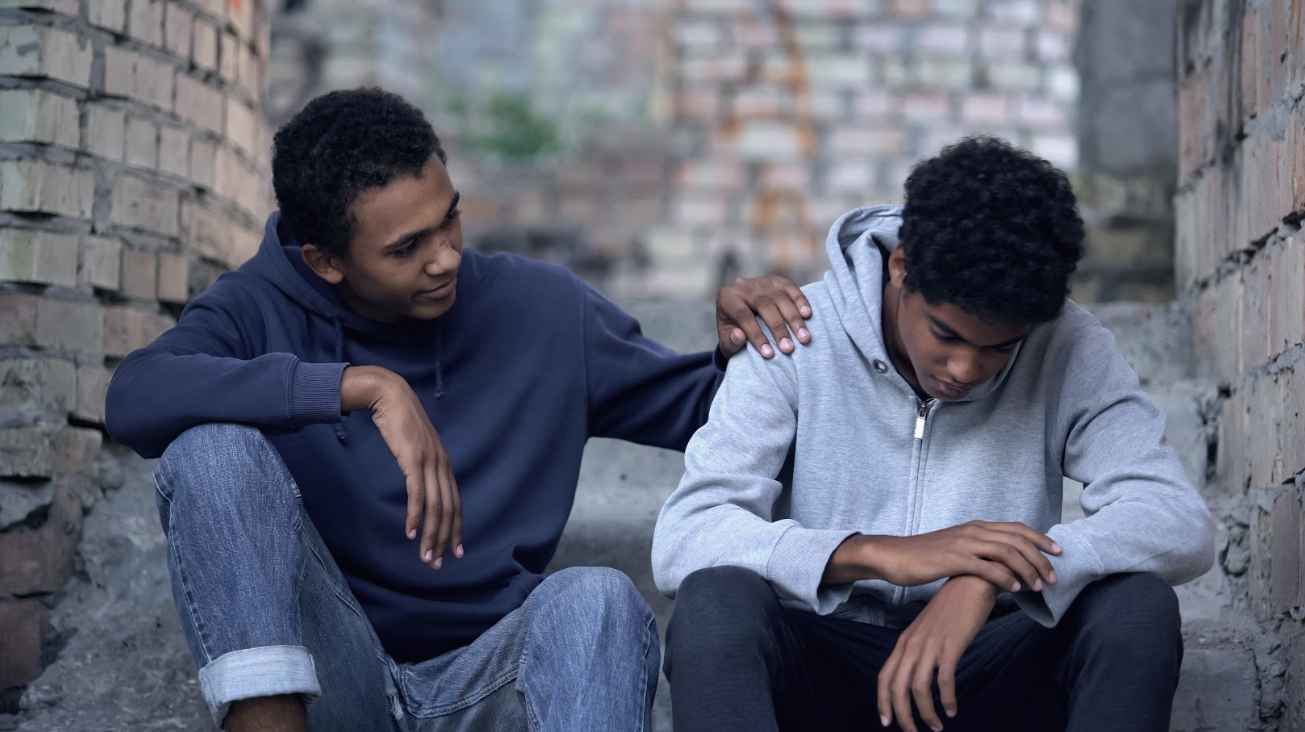
A woman who survived a terrible event forgave someone who hurt her. She said it helped her change her life. In our daily lives, we sometimes get hurt too—by friends or family.
Question 1:
Have you ever forgiven someone?
Who did you forgive, and why?
What happened, and how did you feel after forgiving
them?
Who did you forgive, and why?
What happened, and how did you feel after forgiving
them?
(You have one minute to prepare.)
Answer:
Yes/No, I have/haven’t forgiven (someone).
What: He/She/They_________________________________.
Feeling: At first I felt (angry / sad / surprised), but I forgave
him/her/them because __________________.
What: He/She/They_________________________________.
Feeling: At first I felt (angry / sad / surprised), but I forgave
him/her/them because __________________.
_ _ _ _ _ _ _ _ _ _ _ _ _ _ _
Question 2:
How do you make up after a fight?
What do you do after fighting with someone?
Why do you think that helps?
What do you do after fighting with someone?
Why do you think that helps?
(You have one minute to prepare.)
Answer:
How: I ____________________________________________.
✅ send a message / call him or her / talk face to face / take a
little space
little space
Why: I ____________________________________________.
✅ understand each other / feel better / stop being angry
Important: I think __________ is important when making up.
✅ talking honestly / listening to him or her / being patient
D_9
You’re really thinking about the other person. That’s wonderful.
Part E Think and Predict
E_1
Let’s try to imagine it.
E_2
Topic: What would you do?
①The woman lost many things and was deeply hurt in the war.
②Later, she met the co-pilot who had hurt her.
③She forgave him and became a storyteller to pass on her message.
Question:
If you had been in her place, what would you have done? Try to use your imagination.
Answer:
① After the war
If I had experienced the war, I would have felt (angry / scared / sad) because ____________________________.
✅ lost someone important / my family was in danger / didn’t understand why it happened
② When meeting the person
If I had met the person who had hurt me, I would have (been shocked / asked questions / cried / forgiven them) because ____________________.
✅ didn’t expect to see them / wanted to know why they did it / they showed regret / wanted to stop being angry
③ What I would do after that
If I had that experience, I would try to (tell my story / help others / stop war / teach peace) because ______________.
✅ don’t want the same thing to happen again / many people don’t know the truth / it’s important to remember the past
E_3
Thank you for telling me what you would do!
Part F Free Talk
F_1
Let’s have a free talk.

F_2
| 1. | If you could only travel to the past or the future, which would you choose? Why? |
| Answer: |
| 2. | What are some good things about learning history? |
| Answer: | |
| 3. | Do you think Japan is a peaceful country now? Why or why not? |
| Answer: |