All posts by weblio

Conversation(Entry Chapter 2)|日常会話(入門2章)
Lesson 9: Hobbies – His/Her 趣味-彼の/彼女の

LESSON GOAL

Let’s check our lesson goal.
In this material, you will learn how to describe someone using “his” and “her.”

Part A_1

Let’s read!

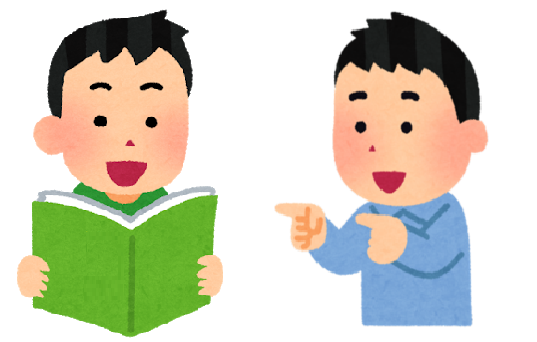
I have a friend. His name is Jason.
私は友達がいます。彼の名前はJasonです。
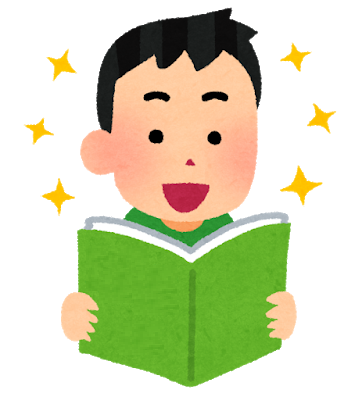
His hobby is reading books.
彼の趣味は本を読むことです。
His favorite book is about soccer.
彼のお気に入りの本はサッカーに関するものです。

PART A_2
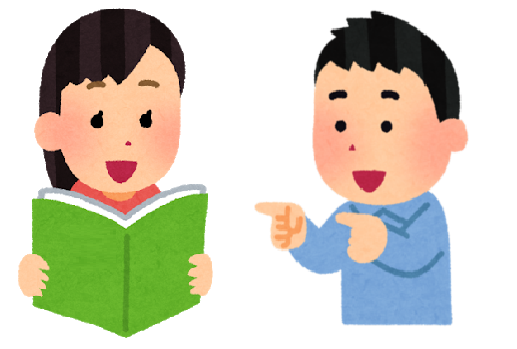
I have a friend. Her name is Rose.
私は友達がいます。彼女の名前はRoseです。
Her hobby is reading books.
彼女の趣味は本を読むことです。
Her favorite book is about pets.
彼女のお気に入りの本はペットに関するものです。
PART B_1

Let’s talk about your friend. Complete the sentences with your friend’s information.

I have a friend. His name is ____________.
私は友達がいます。彼の名前は_______ です。
His hobby is _____________.
彼の趣味は_______ です。
His favorite (book/movie/sport) is ______.
彼のお気に入りの(本/映画/スポーツ)は ______ です。

PART B_2

I have a friend. Her name is ____________.
私は友達がいます。彼女の名前は_______ です。
Her hobby is ______________.
彼女の趣味は_______ です。
Her favorite (book/movie/sport) is ________.
彼女のお気に入りの(本/映画/スポーツ)は ________ です。

PART C_1

Let’s meet some people. Please repeat after me.

PART C_2

I have a friend.
私は友達がいます。
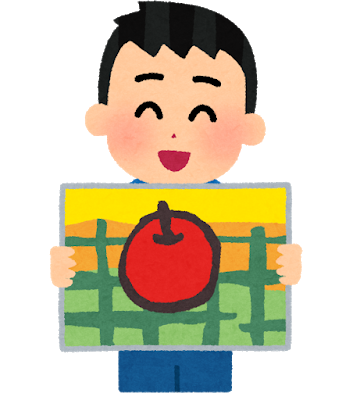
His name is Ron.
彼の名前はRonです。
His hobby is painting.
彼の趣味は絵を描くことです。

I have a friend.
私は友達がいます。
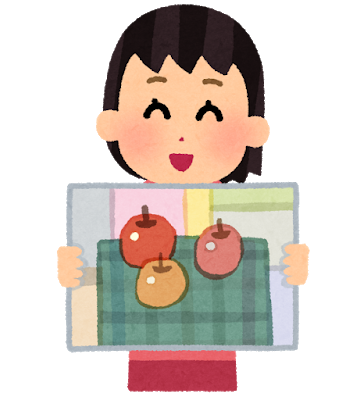
Her name is Emi.
彼女の名前はEmiです。
Her hobby is painting.
彼女の趣味は絵を描くことです。

I have a friend.
私は友達がいます。
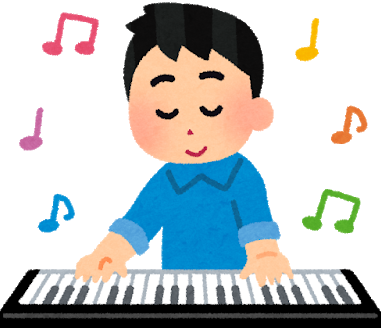
His name is Luke.
彼の名前はLukeです。
His hobby is playing the piano.
彼の趣味はピアノを弾くことです。

I have a friend.
私は友達がいます。
Her name is Mila.
彼女の名前はMilaです。
Her hobby is playing the piano.
彼女の趣味はピアノを弾くことです。

I have a friend.
私は友達がいます。
His name is Adam.
彼の名前はAdamです。
His hobby is playing video games.
彼の趣味はビデオゲームをすることです。

I have a friend.
私は友達がいます。
Her name is Pat.
彼女の名前はPatです。
Her hobby is playing video games.
彼女の趣味はビデオゲームをすることです。

PART C_3

Tell me what their hobbies are. Complete each sentence.

PART C_4

His hobby is _______.
彼の趣味は_______ です。

Her hobby is _______.
彼女の趣味は_______ です。

His hobby is _______.
彼の趣味は_______ です。

Her hobby is _______.
彼女の趣味は_______ です。

His hobby is _______.
彼の趣味は_______ です。

Her hobby is _______.
彼女の趣味は_______ です。

REVIEW AND FEEDBACK

Now, let us review what you learned in this lesson.
(Please give short feedback on how your student did in your class.)
Grammar
文法
Pronunciation
発音
Vocabulary
単語
Comprehension
理解
GOOD 文法の誤りはほとんどなく、完全な文章で話すことができる ほとんどの単語をはっきりと正しく発音することができる 習った表現を適切に使うことができる 文章を理解し、質問に正しく答えることができる

FAIR
文法の誤りはあるが、完全な文章で話すことができる 発音の練習が必要な言葉がいくつかある たまにミスはあるが、習った表現を適切に使うことができる 文章を完全に理解するのは難しく、質問に正しく答えられないときもある

POOR
文章で話すのは難しく、単語だけで話すことができる 発音の練習が必要である 習った単語と表現を少しだけ使うことができる 文章を理解するのは難しく、質問に答えるのは難しい
TUTOR FEEDBACK

GRAMMAR
Good: Was able to speak in complete sentences with minimal grammatical errors.
Fair: Was able to speak in complete sentences with evident grammatical errors.
Poor: Was able to speak using words only.
PRONUNCIATION
Good: Was able to pronounce most of the words clearly and correctly.
Fair: Mispronounced a few words.
Poor: Mispronounced most of the words.
VOCABULARY
Good: Used appropriate expressions learned in class.
Fair: Used appropriate expressions learned in class and made a few errors in word choice.
Poor: Used only a few words and expressions.
COMPREHENSION
Good: Was able to understand the passages and answer the questions correctly.
Fair: Had a little difficulty in understanding passages and answering questions.
Poor: Had a hard time understanding passages and answering questions.

Conversation(Entry Chapter 2)|日常会話(入門2章)
Lesson8: Personal Things – My/Your 持ち物-私の/あなたの

LESSON GOAL

Let’s check our lesson goal.
In this material, you will learn how to describe things using “my” and “your.”

PART A_1

Let’s read!

This is my umbrella.
これは私の傘です。
My umbrella is big.
私の傘は大きいです。
My umbrella is yellow.
私の傘は黄色です。

PART A_2

That is your umbrella.
あれはあなたの傘です。
Your umbrella is big.
あなたの傘は大きいです。
Your umbrella is yellow.
あなたの傘は黄色です。

PART B_1

Your tutor will describe his/her book. Complete the sentences according to what he/she said.

This is my ____________.
これは私の_______ です。
My _________ is ________.
私の_______ は_______ です。
My _________ is ________.
私の_______ は_______ です。

PART B_2

That is your __________.
あれはあなたの_______ です。
Your _______ is __________.
あなたの_______ は_______ です。
Your _______ is __________.
あなたの_______ は_______ です。

PART C_1

Let’s name the things these people own. Please read after me.

PART C_2

This is my piano.
これは私のピアノです。
My piano is long.
私のピアノは長いです。
My piano is heavy.
私のピアノは重いです。

That is your piano.
あれはあなたのピアノです。
Your piano is long.
あなたのピアノは長いです。
Your piano is heavy.
あなたのピアノは重いです。

This is my laptop.
これは私のパソコンです。
My laptop is new.
私のパソコンは新しいです。
My laptop is nice.
私のパソコンは良いです。

That is your laptop.
あれはあなたのパソコンです。
Your laptop is new.
あなたのパソコンは新しいです。
Your laptop is nice.
あなたのパソコンは良いです。

This is my book.
これは私の本です。
My book is green.
私の本はみどり色です。
My book is thick.
私の本は厚いです。

That is your book.
あれはあなたの本です。
Your book is green.
あなたの本はみどり色です。
Your book is thick.
あなたの本は厚いです。

PART C_3

Tell me what things these people own. Complete the sentences.

PART C_4

This is my ________.
これは私の______ です。

That is your ________.
あれはあなたの______ です。

This is my ________.
これは私の______ です。

That is your ________.
あれはあなたの______ です。

This is my ________.
これらは私の_______ です。

That is your ________.
あれはあなたの______ です。

REVIEW AND FEEDBACK

Now, let us review what you learned in this lesson.
(Please give short feedback on how your student did in your class.)
Grammar
文法
Pronunciation
発音
Vocabulary
単語
Comprehension
理解
GOOD 文法の誤りはほとんどなく、完全な文章で話すことができる ほとんどの単語をはっきりと正しく発音することができる 習った表現を適切に使うことができる 文章を理解し、質問に正しく答えることができる

FAIR
文法の誤りはあるが、完全な文章で話すことができる 発音の練習が必要な言葉がいくつかある たまにミスはあるが、習った表現を適切に使うことができる 文章を完全に理解するのは難しく、質問に正しく答えられないときもある

POOR
文章で話すのは難しく、単語だけで話すことができる 発音の練習が必要である 習った単語と表現を少しだけ使うことができる 文章を理解するのは難しく、質問に答えるのは難しい
TUTOR FEEDBACK

GRAMMAR
Good: Was able to speak in complete sentences with minimal grammatical errors.
Fair: Was able to speak in complete sentences with evident grammatical errors.
Poor: Was able to speak using words only.
PRONUNCIATION
Good: Was able to pronounce most of the words clearly and correctly.
Fair: Mispronounced a few words.
Poor: Mispronounced most of the words.
VOCABULARY
Good: Used appropriate expressions learned in class.
Fair: Used appropriate expressions learned in class and made a few errors in word choice.
Poor: Used only a few words and expressions.
COMPREHENSION
Good: Was able to understand the passages and answer the questions correctly.
Fair: Had a little difficulty in understanding passages and answering questions.
Poor: Had a hard time understanding passages and answering questions.

Conversation(Entry Chapter 2)|日常会話(入門2章)
Lesson 7: Food – Here/There 食べ物-ここ/そこ

LESSON GOAL

Let’s check our lesson goal.
In this material, you will learn how to describe food using “here” and “there.”

PART A_1

Let’s read!

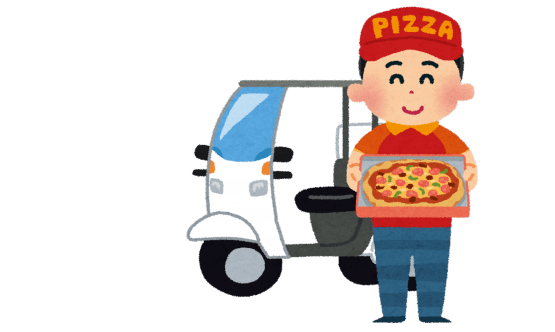
Here is a pizza.
ここにピザがあります。
This is a cheese pizza.
これはチーズピザです。
This is delicious.
これはおいしいです。

PART A_2

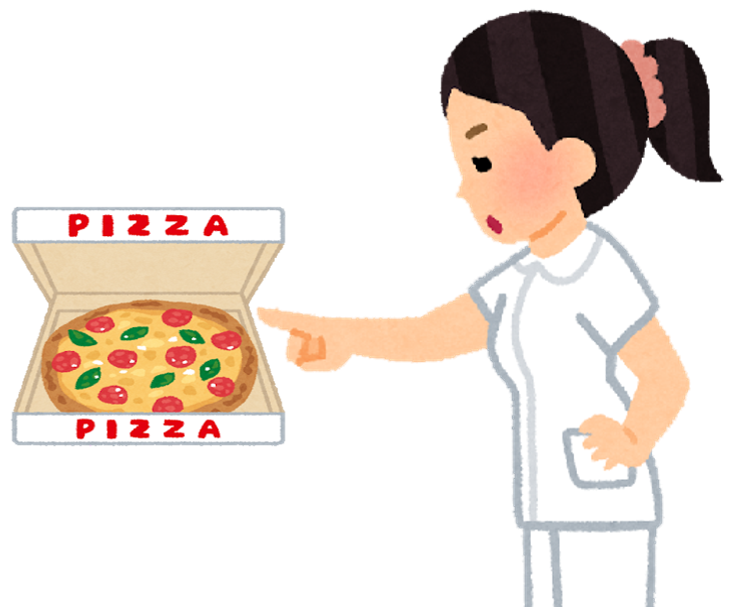
There is a pizza.
そこにピザがあります。
That is a bacon pizza.
あれはベーコンピザです。
That is delicious.
あれはおいしいです。

PART B_1

Complete the sentences with the information I give you.

Here is a __________.
ここに _______ があります。
This is a __________.
これは_______ です。
This is a __________.
これは_______ です。

PART B_2

There is a __________.
そこに _______ があります。
That is a __________.
あれは_______ です。
That is a __________.
あれは_______ です。

PART C_1

Let’s describe some food. Please read after me.

PART C_2

Here is some ice cream.
ここにアイスクリームがあります。
This is a snack.
これはお菓子です。
This is cold.
これは冷たいです。

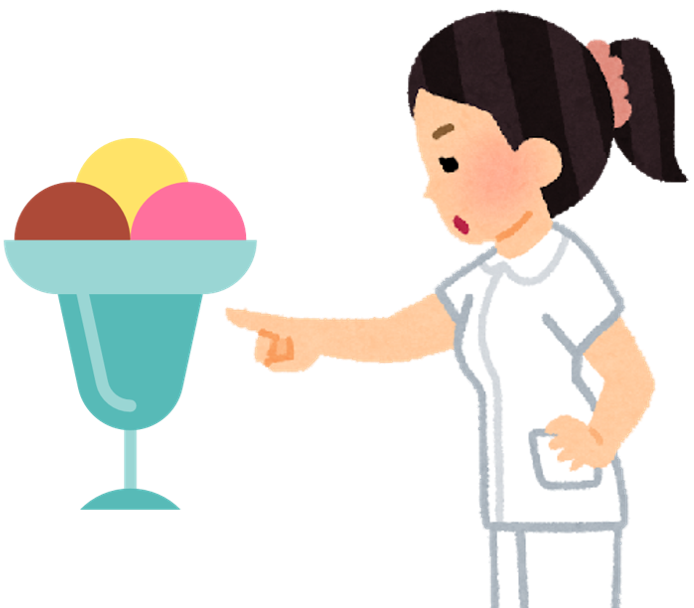
There is some ice cream.
そこにアイスクリームがあります。
That is a snack.
あれはお菓子です。
That is cold.
あれは冷たいです。

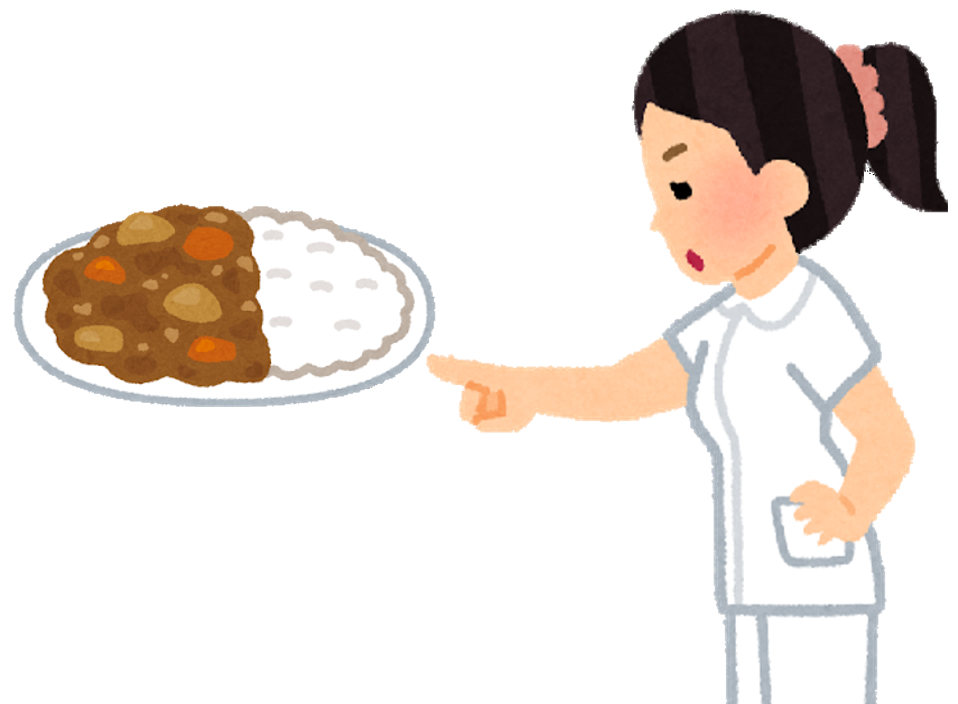
Here is curry and rice.
ここにカレーがあります。
This is for lunch.
これは昼食用です。
This is delicious.
これはおいしいです。

There is curry and rice.
そこにカレーがあります。
That is for lunch.
あれは昼食用です。
That is delicious.
あれはおいしいです。

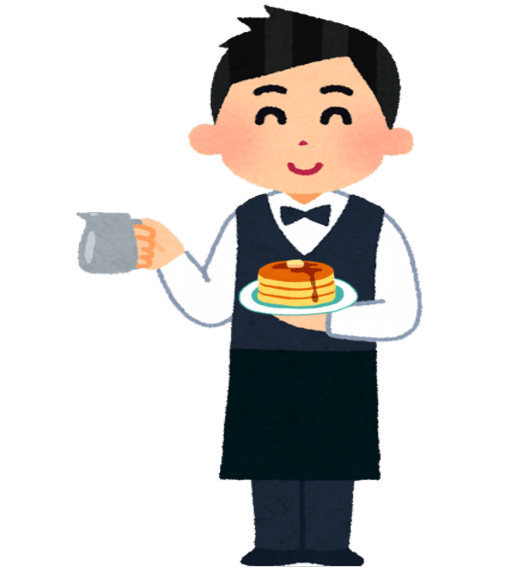
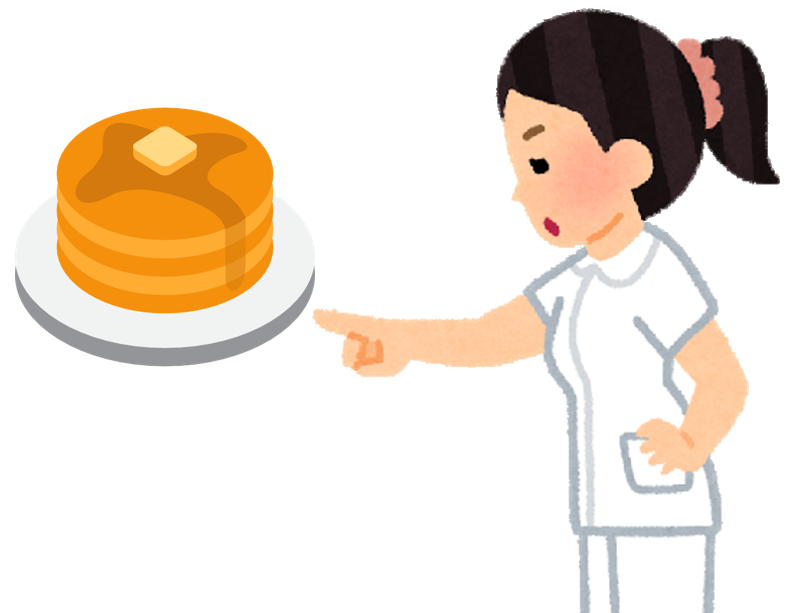
Here is a pancake.
パンケーキがあります。
This is for breakfast.
これは朝食用です。
This is tasty.
これはおいしいです。

There is a pancake.
パンケーキがあります。
That is for breakfast.
あれは朝食用です。
That is tasty.
あれはおいしいです。

PART C_3

Let’s name some food. Complete each sentence.

PART C_4


Here is an ________.
ここに _______ があります。

There is an ________.
そこに _______ があります。

Here is a ________.
ここに _______ があります。

There is a ________.
そこに _______ があります。

Here is a ________.
ここに _______ があります。

There is a ________.
そこに _______ があります。

REVIEW AND FEEDBACK

Now, let us review what you learned in this lesson.
(Please give short feedback on how your student did in your class.)
Grammar
文法
Pronunciation 発音 Vocabulary
単語
Comprehension
理解
GOOD 文法の誤りはほとんどなく、完全な文章で話すことができる ほとんどの単語をはっきりと正しく発音することができる 習った表現を適切に使うことができる 文章を理解し、質問に正しく答えることができる

FAIR
文法の誤りはあるが、完全な文章で話すことができる 発音の練習が必要な言葉がいくつかある たまにミスはあるが、習った表現を適切に使うことができる 文章を完全に理解するのは難しく、質問に正しく答えられないときもある

POOR
文章で話すのは難しく、単語だけで話すことができる 発音の練習が必要である 習った単語と表現を少しだけ使うことができる 文章を理解するのは難しく、質問に答えるのは難しい
TUTOR FEEDBACK

GRAMMAR
Good: Was able to speak in complete sentences with minimal grammatical errors.
Fair: Was able to speak in complete sentences with evident grammatical errors.
Poor: Was able to speak using words only.
PRONUNCIATION
Good: Was able to pronounce most of the words clearly and correctly.
Fair: Mispronounced a few words.
Poor: Mispronounced most of the words.
VOCABULARY
Good: Used appropriate expressions learned in class.
Fair: Used appropriate expressions learned in class and made a few errors in word choice.
Poor: Used only a few words and expressions.
COMPREHENSION
Good: Was able to understand the passages and answer the questions correctly.
Fair: Had a little difficulty in understanding passages and answering questions.
Poor: Had a hard time understanding passages and answering questions.

Conversation(Entry Chapter 2)|日常会話(入門2章)
Lesson 6: Things in the Office – That/Those オフィスにあるもの-あれ/あれら

LESSON GOAL

Let’s check our lesson goal.
In this material, you will learn how to use “that” and “those” to describe the things that are far from you.

PART A_1

Let’s read!

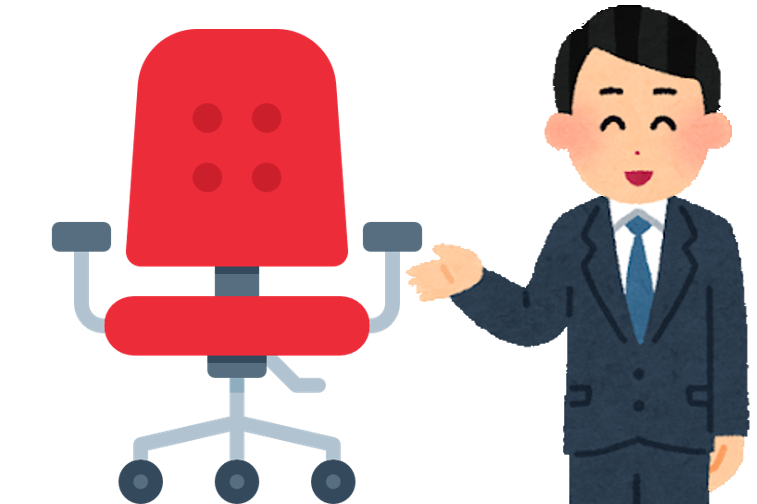
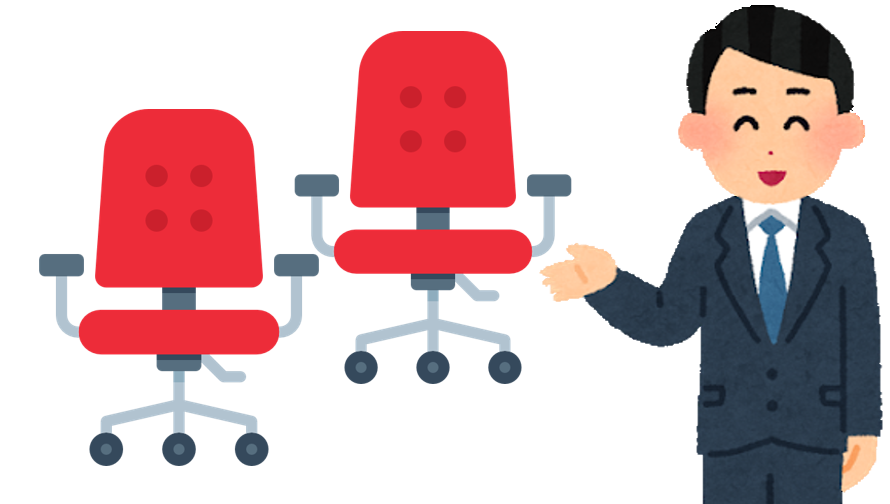
That is a chair.
あれは椅子です。
It is soft.
それは柔らかいです。
It is red.
それは赤色です。

PART A_2

Those are chairs.
あれらは椅子です。
They are soft.
それらは柔らかいです。
They are red.
それらは赤色です。

PART B_1

I will describe some things. Please complete the sentences with the information I give you.

That is a __________.
あれは_______ です。
It is __________.
それは_______ です。
It is __________.
それは_______ です。

PART B_2

Those are __________.
あれらは_______ です。
They are __________.
それらは_______です。
They are __________.
それらは_______です。

PART C_1

Let’s name some things in the office. Please read after me.

PART C_2

That is a laptop.
あれはノートパソコンです。
It is a rectangle.
それは長方形です。
It is new.
それは新しいです。

Those are laptops.
あれらはノートパソコンです。
They are rectangles.
それらは長方形です。
They are new.
それらは新しいです。

That is a cabinet.
あれはキャビネットです。
It is hard.
それはかたいです。
It is brown.
それは茶色です。

Those are cabinets.
あれらはキャビネットです。
They are hard.
それらはかたいです。
They are brown.
それらは茶色です。

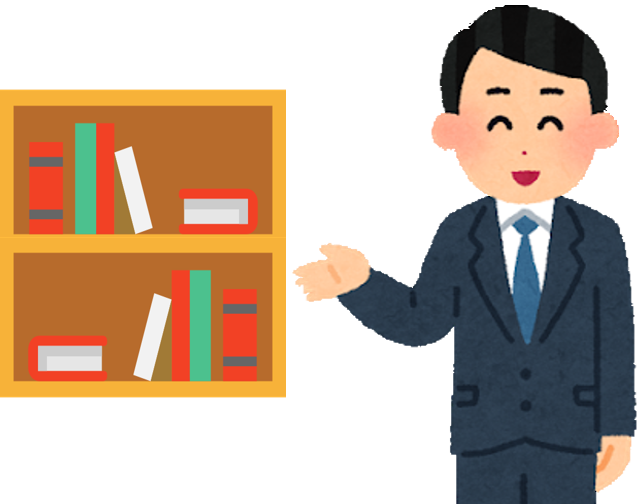
That is a bookshelf.
あれは本棚です。
It is made of wood.
それは木でできています。
It has books.
それには本があります。

Those are bookshelves.
あれらは本棚です。
They are made of wood.
それらは木でできています。
They have books.
それらには本があります。

PART D_1

Name the things in the picture. Complete each sentence.

PART D_2


That is a _______.
あれは_______ です。

Those are _______.
あれらは_______です。

That is a _______.
あれは_______ です。

Those are _______.
あれらは_______です。

That is a _______.
あれは_______ です。

Those are _______.
あれらは_______です。

REVIEW AND FEEDBACK

Now, let us review what you learned in this lesson.
(Please give short feedback on how your student did in your class.)
Grammar
文法
Pronunciation 発音 Vocabulary
単語
Comprehension
理解
GOOD 文法の誤りはほとんどなく、完全な文章で話すことができる ほとんどの単語をはっきりと正しく発音することができる 習った表現を適切に使うことができる 文章を理解し、質問に正しく答えることができる

FAIR
文法の誤りはあるが、完全な文章で話すことができる 発音の練習が必要な言葉がいくつかある たまにミスはあるが、習った表現を適切に使うことができる 文章を完全に理解するのは難しく、質問に正しく答えられないときもある

POOR
文章で話すのは難しく、単語だけで話すことができる 発音の練習が必要である 習った単語と表現を少しだけ使うことができる 文章を理解するのは難しく、質問に答えるのは難しい
TUTOR FEEDBACK

GRAMMAR
Good: Was able to speak in complete sentences with minimal grammatical errors.
Fair: Was able to speak in complete sentences with evident grammatical errors.
Poor: Was able to speak using words only.
PRONUNCIATION
Good: Was able to pronounce most of the words clearly and correctly.
Fair: Mispronounced a few words.
Poor: Mispronounced most of the words.
VOCABULARY
Good: Used appropriate expressions learned in class.
Fair: Used appropriate expressions learned in class and made a few errors in word choice.
Poor: Used only a few words and expressions.
COMPREHENSION
Good: Was able to understand the passages and answer the questions correctly.
Fair: Had a little difficulty in understanding passages and answering questions.
Poor: Had a hard time understanding passages and answering questions.

Conversation(Beginner Chapter 2)|日常会話(初級2章)
Lesson 17: Things at Home – Prepositions of Place 家のもの-場所の前置詞

LESSON GOAL
Let’s check our lesson goal.
In this material, you will learn to talk about the location of things.
PART A_1

Let’s read the dialogue. I will play Sam and you will play Alice. Then, we’ll switch roles.

PART A_2

Good morning, Alice. I lost my car key somewhere here in our house. Have you seen it?
You left it earlier in the kitchen. Thankfully, I brought it with me in case you come back.

Thank you. By the way, I want to add a small table beside the sofa. Would that be okay?
Of course. That is a nice idea. You can buy one online or at the mall. Anyway, you should be more careful next time.

I will keep that in mind, thank you. Oh, I will look for a table online. If I don’t find anything good, I will go to the mall.
Alright. Good luck finding the small table.

PART A_3

Please answer the questions I will ask you about the dialogue.

PART A_4

1. Where is Sam’s car key?
Answer:
2. Why should Sam be more careful next time?
Answer:
3. According to Alice, where can Sam buy a table?
Answer:
4. Does Alice think that a table will look good beside the sofa?
Answer:

PART B_1

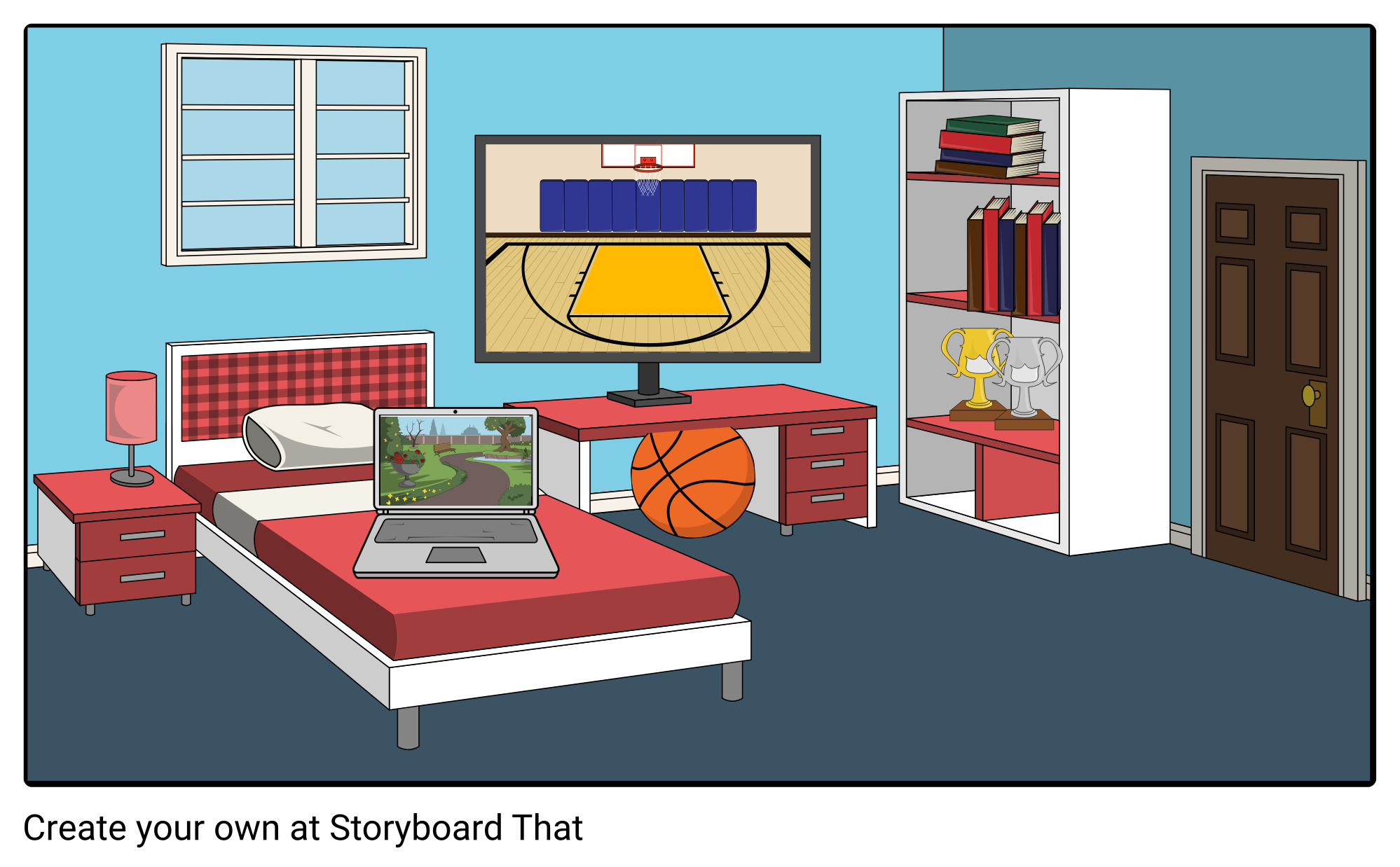
Study the picture for 1 minute. Answer the questions in complete sentences.

PART B_2

1. Where is the computer?
Answer:
2. Where is the ball?
Answer:
3. Where are the books?
Answer:

PART C_1

Let’s talk. Please answer my questions. You may ask questions, too.

PART C_2

1. Are pets allowed in your house?
Answer:
2. What things would you like to put in your bedroom?
Answer:
3. Where do you keep important things?
Answer:
4. Do you put decorations in your house during Christmas season?
Answer:
5. What new furniture would you like to buy? Where would you put it?
Answer:

Conversation(Beginner Chapter 2)|日常会話(初級2章)
Lesson24: At Work-Why-Because 職場で-なぜ-なぜなら

LESSON GOAL

Let’s check our lesson goal.
In this material, you will learn how to use why and because in sentences.

PART A_1

Let’s read the dialogue. I will play Ron, and you will play Emma. Then, we’ll switch roles.

PART A_2

Good morning, Emma. Why are you late?
I’m really sorry, Ron. I’m late because there was an accident on the road. Anyway, why do we have to meet early?

Oh, I see. Are you okay? We have to meet early because of an urgent request from a client. They want us to finish the project this week.
I am okay. Don’t worry. I thought we had already agreed to finish the project in a month.

I’m sorry. We have to finish the project this week because the event is moved to an earlier date.
It’s not a big problem, Ron. We can do it. I’ll set a meeting with the client this afternoon. Then, we can discuss the changes with our team.

PART A_3

Please answer the questions about the dialogue using “because” in your answers.

PART A_4

1. Why is Emma late?
Answer:
2. Why did Ron ask to meet Emma?
Answer:
3. Why do they have to finish the project this week?
Answer:
4. Why do you think they will (or will not) finish the project on time?
Answer:

PART B_1

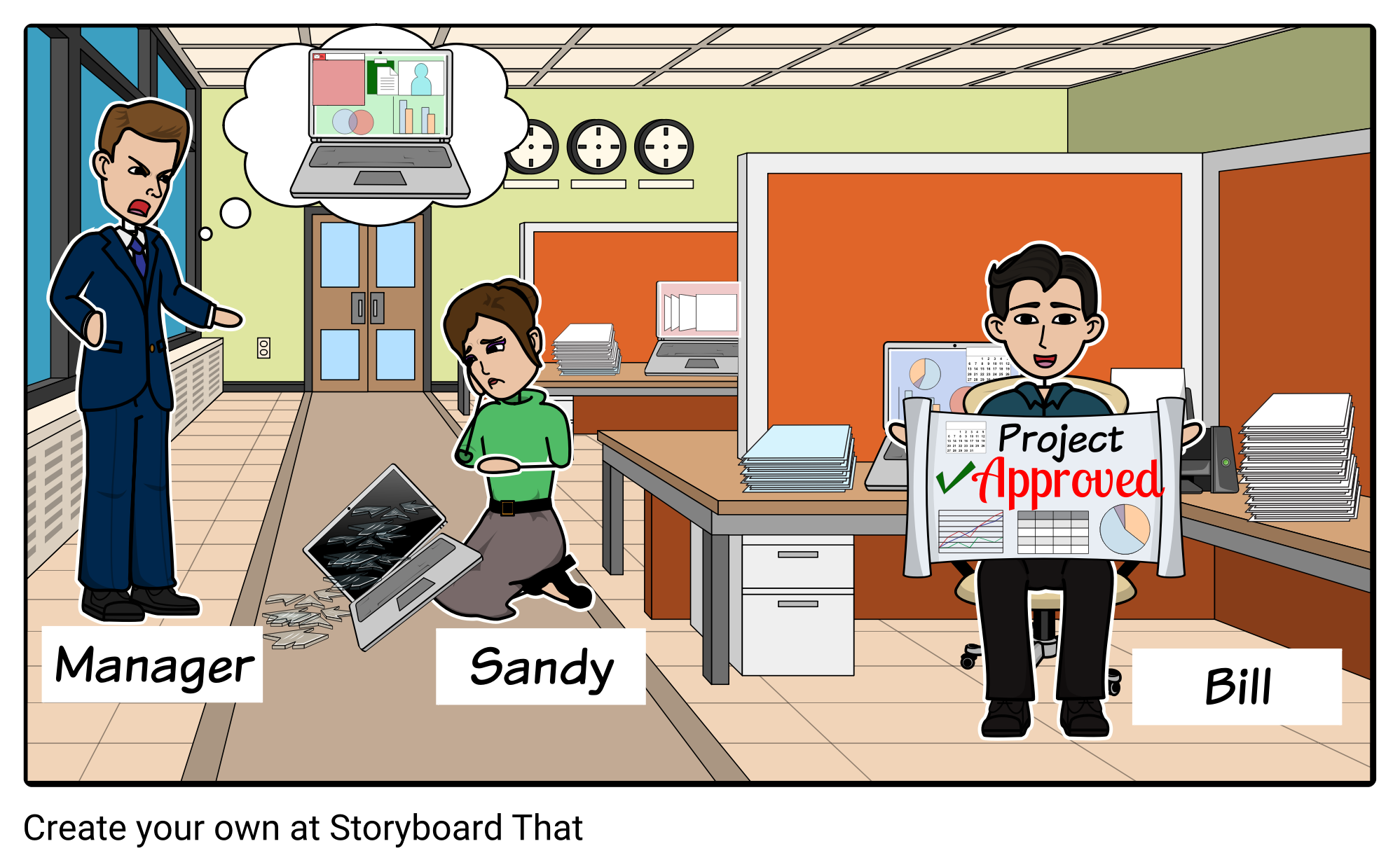
Study the picture for 1 minute. Answer the questions by completing the sentences using “because.”

PART B_2

1. Why is the manager angry?
Answer: The manager is angry because ______________________________.
2. Why is Sandy sad?
Answer: Sandy is sad because ______________________________.
3. Why is Bill happy?
Answer: Bill is happy because ______________________________.

PART C_1

Please answer my questions using “because.” You may ask “why” questions, too.

PART C_2

1. Why do some workers want to study English?
Answer:
2. Why do some people work overtime?
Answer:
3. What is your dream job? Why?
Answer:
4. Which do you prefer, a job with a high salary or a workplace with nice people? Why?
Answer:
5. Which do you prefer, working with a team or working alone? Why?
Answer:

Conversation(Entry Chapter 2)|日常会話(入門2章)
Lesson 5: Things at Home – This/These 家の中のもの – これ/これら

LESSON GOAL

Let’s check our lesson goal.
In this material, you will learn how to use “this” and “these” to describe the things that are near you.

PART A_1

Let’s read!

This is a book.
これは本です。
This is my favorite storybook.
これは私のお気に入りの絵本です。
This is for fun.
これは楽しむためのものです。

PART A_2

These are books.
これらは本です。
These are my favorite books.
これらは私のお気に入りの本です。
These are for study.
これは勉強するためのものです。

PART B_1

Tell me about your favorite school object. Complete the sentences about your favorite things.

This is a __________.
これは_______ です。
This is my favorite __________.
これは私のお気に入りの_______ です。
This is for __________.
これは_______ のためです。

PART B_2

These are __________.
これらは_______ です。
These are my favorite __________.
これらは私のお気に入りの_______ です。
These are for __________.
これらは_______ のためです。

PART C_1

Let’s name some things. Please repeat after me.

PART C_2

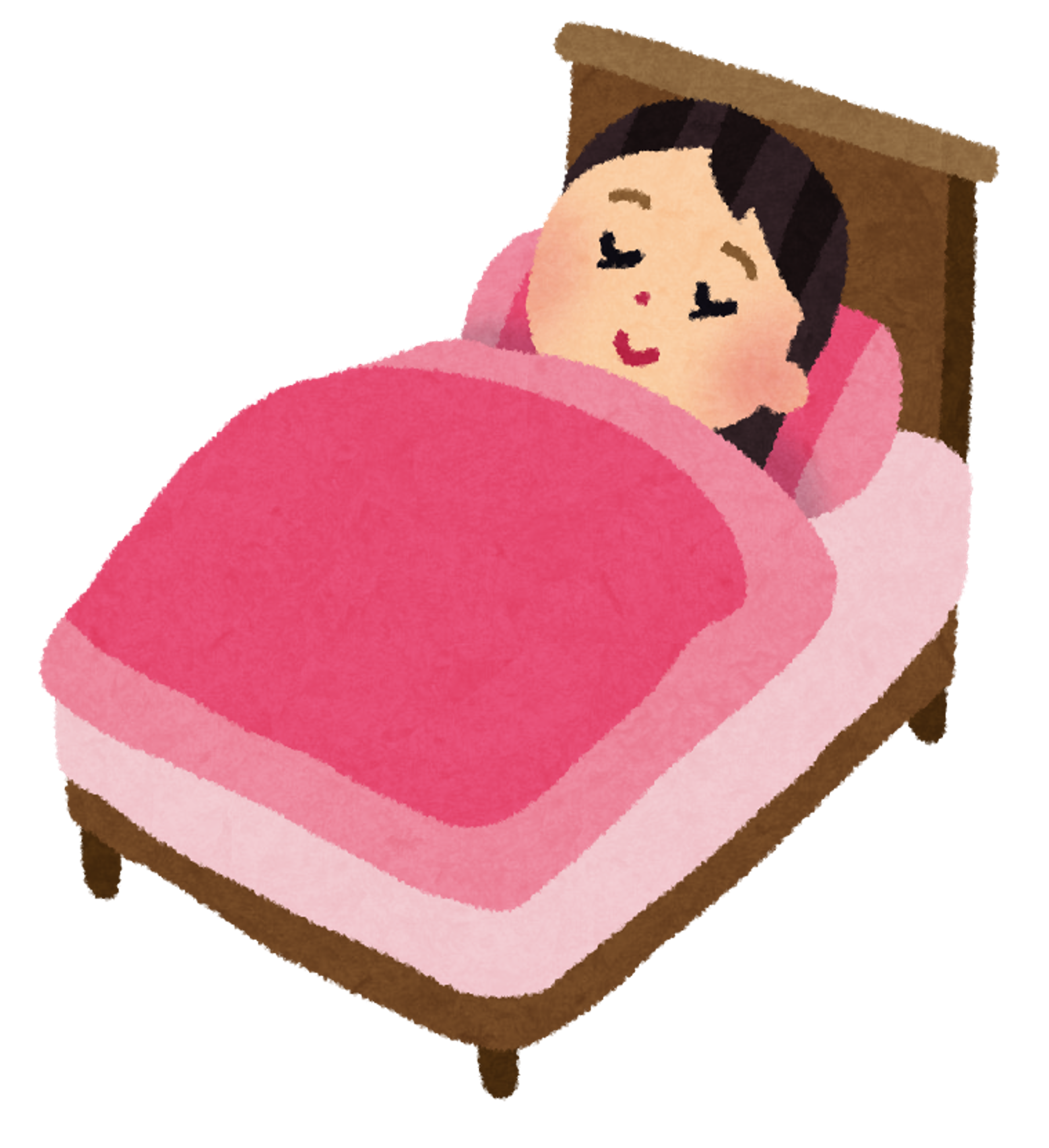
bd_girl_sleep
This is a bed.
これはベッドです。
This is soft.
これは柔らかいです。
This is for sleeping.
これは寝るためのものです。

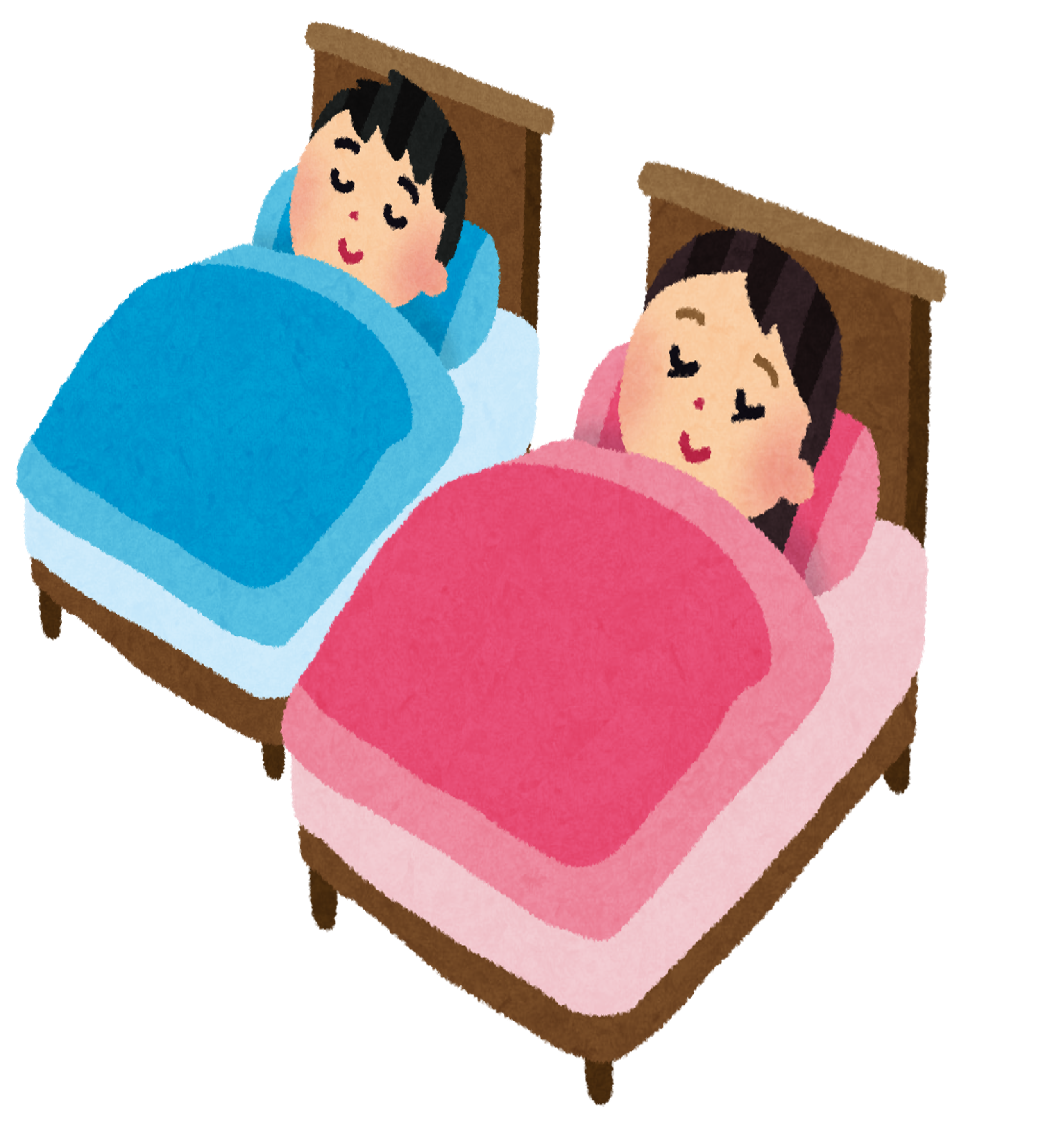
These are beds.
これらはベッドです。
These are soft.
これらは柔らかいです。
These are for sleeping.
これらは寝るためのものです。

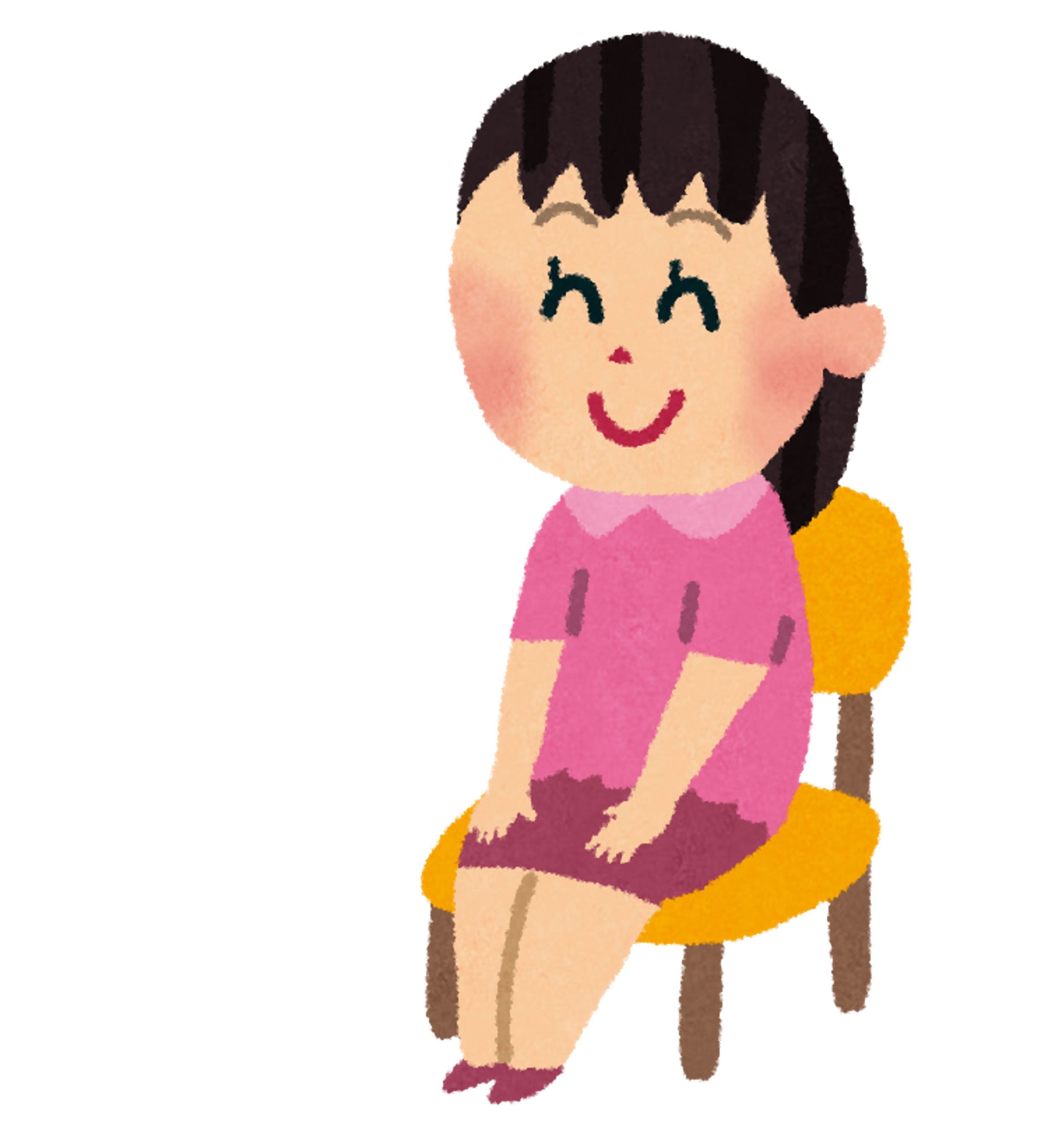
This is a chair.
これは椅子です。
This is hard.
これは固いです。
This is for sitting.
これは座るためのものです。

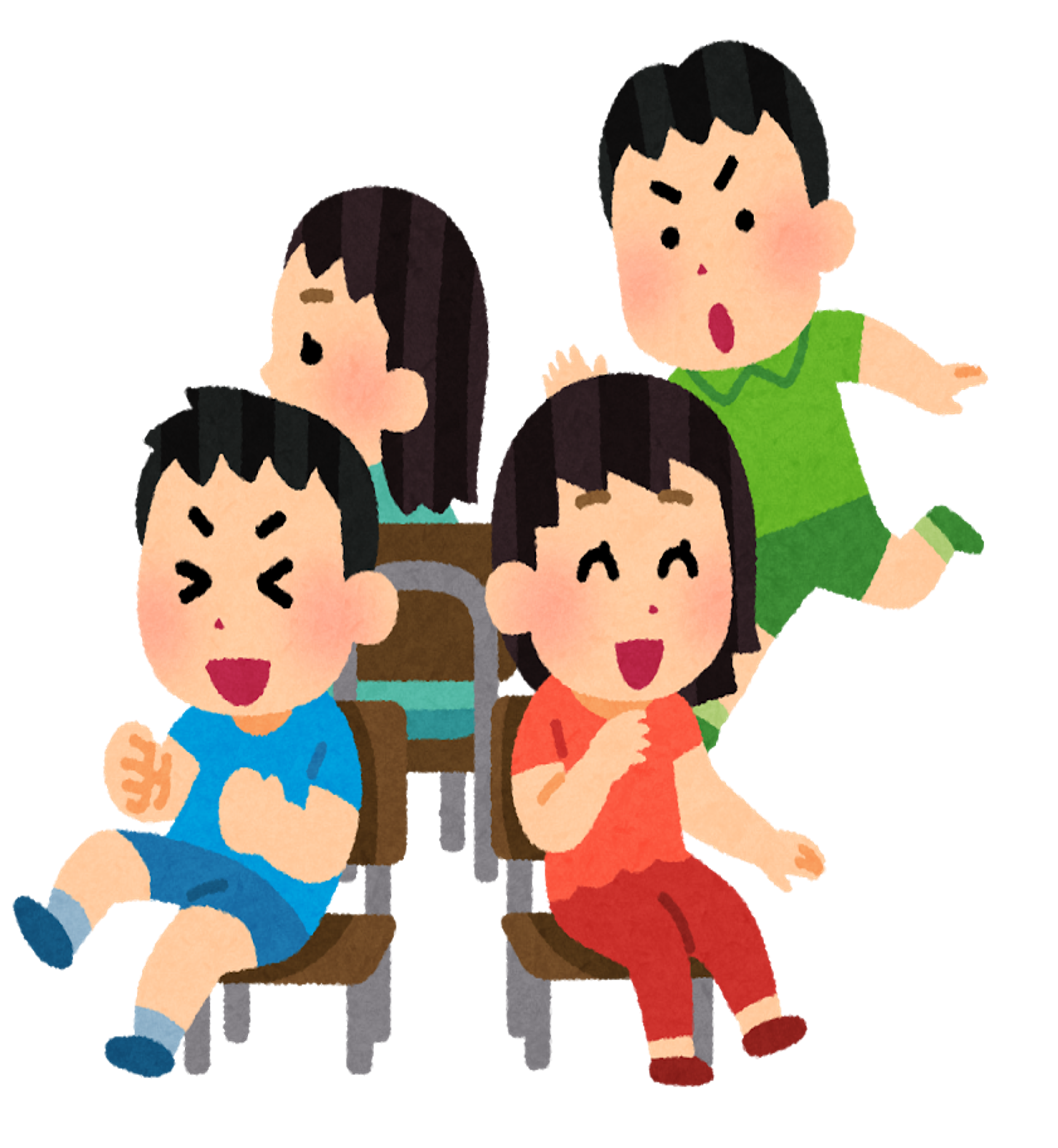
These are chairs.
これらは椅子です。
These are hard.
これらは固いです。
These are for sitting.
これらは座るためのものです。

This is a pan.
これはフライパンです。

This is hot.
これは熱いです。
This is for cooking.
これは料理のためのものです。

These are pans.
これらはフライパンです。

These are hot.
これらは熱いです。
These are for cooking.
これらは料理のためのものです。

PART D_1

Name the things in the picture. Complete each sentence.

PART D_2


This is ________.
これは_______ です。

These are ________.
これらは_______ です。

This is ________.
これは_______ です。

These are ________.
これらは_______ です。

This is ________.
これは_______ です。

These are ________.
これらは_______ です。

REVIEW AND FEEDBACK

Now, let us review what you learned in this lesson.
(Please give short feedback on how your student did in your class.)
Grammar
文法
Pronunciation 発音 Vocabulary
単語
Comprehension
理解
GOOD 文法の誤りはほとんどなく、完全な文章で話すことができる ほとんどの単語をはっきりと正しく発音することができる 習った表現を適切に使うことができる 文章を理解し、質問に正しく答えることができる

FAIR
文法の誤りはあるが、完全な文章で話すことができる 発音の練習が必要な言葉がいくつかある たまにミスはあるが、習った表現を適切に使うことができる 文章を完全に理解するのは難しく、質問に正しく答えられないときもある

POOR
文章で話すのは難しく、単語だけで話すことができる 発音の練習が必要である 習った単語と表現を少しだけ使うことができる 文章を理解するのは難しく、質問に答えるのは難しい
TUTOR FEEDBACK

GRAMMAR
Good: Was able to speak in complete sentences with minimal grammatical errors.
Fair: Was able to speak in complete sentences with evident grammatical errors.
Poor: Was able to speak using words only.
PRONUNCIATION
Good: Was able to pronounce most of the words clearly and correctly.
Fair: Mispronounced a few words.
Poor: Mispronounced most of the words.
VOCABULARY
Good: Used appropriate expressions learned in class.
Fair: Used appropriate expressions learned in class and made a few errors in word choice.
Poor: Used only a few words and expressions.
COMPREHENSION
Good: Was able to understand the passages and answer the questions correctly.
Fair: Had a little difficulty in understanding passages and answering questions.
Poor: Had a hard time understanding passages and answering questions.

Conversation(Beginner Chapter 2)|日常会話(初級2章)
Lesson26: Hobbies-Coordinating Conjunctions 趣味-等位接続詞

LESSON GOAL

Let’s check our lesson goal.
In this material, you will learn how to use coordinating conjunctions to connect ideas in sentences.

PART A_1

Let’s read the dialogue. I will play Ron and you will play Emma. Then, we’ll switch roles.

PART A_2

Hello, Emma. What are you going to do this weekend?
Hi, Ron. I’m just going to watch TV at home, and I like reading books after watching TV. How about you?

I don’t like watching TV, but I like reading books. By the way, do you like listening to music?
Yes, I like listening to pop songs. How about you?

I also like listening to pop songs. Actually, I like singing karaoke, but I only sing pop songs.
That is nice to know. I don’t like singing, but I am looking forward to hearing you sing next time.

PART A_3

Please answer the questions about the dialogue using coordinating conjunctions.
会話文についての質問に、等位接続詞を使って答えてください。

PART A_4

1. What is Emma going to do this weekend, and what does she like doing after watching TV?
Answer:
2. What does Emma like to do after watching TV, and what does Ron like doing?
Answer:
3. Does Emma like listening to pop songs, and does Ron like singing karaoke?
Answer:
4. Does Ron like singing karaoke, but only pop songs?
Answer:

PART B_1

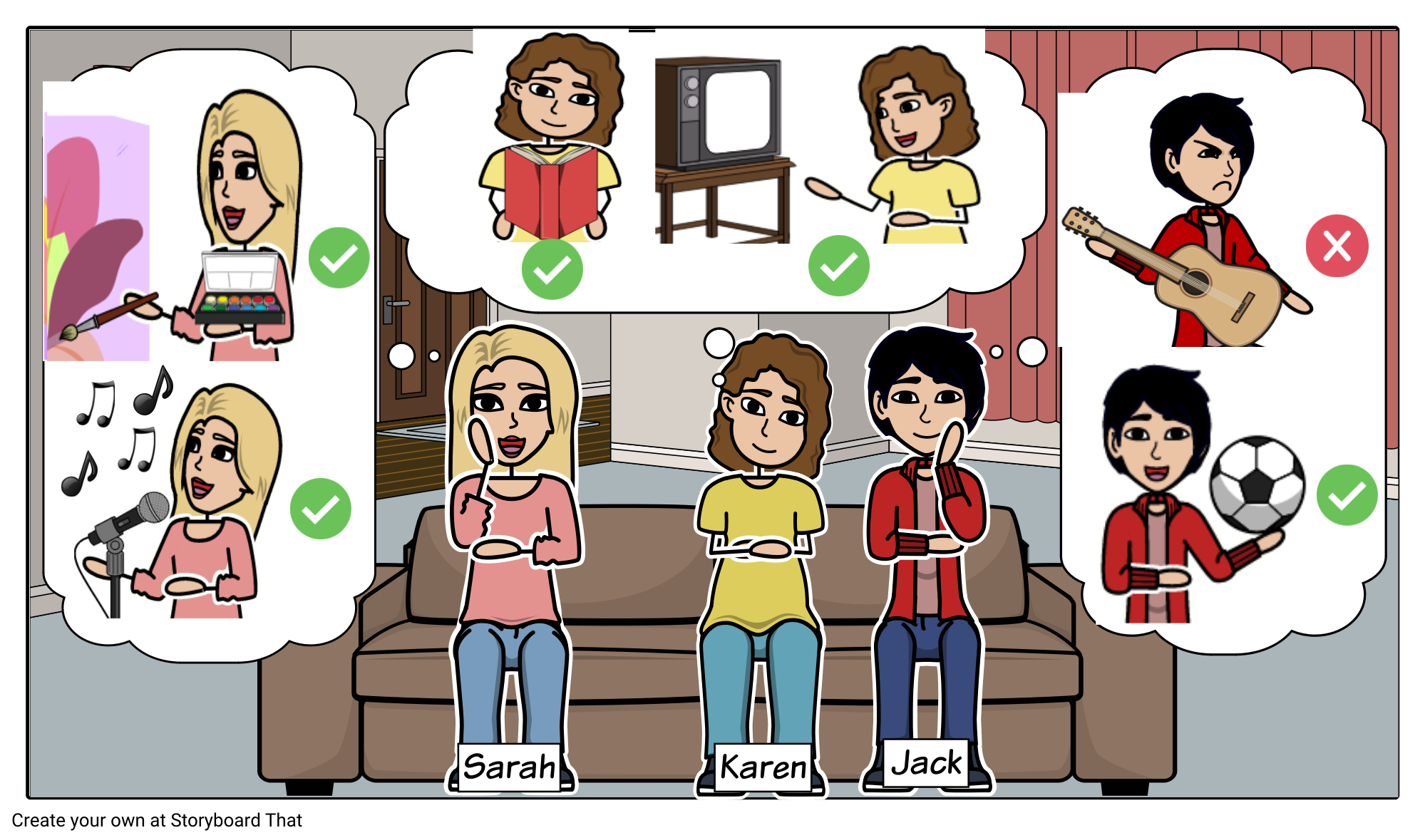
Study the picture for 1 minute. Answer the following questions in complete sentences using and or but.

PART B_2

1. What does Sarah like to do, and what does Karen like to do?
Answer:
2. What does Karen like to do, and what does Sarah like to do?
Answer:
3. What does Jack like to do, but what does he dislike doing?
Answer: ____________________, but _________________

PART C_1

Let’s talk. Please answer my questions using and or but. You may ask questions, too.

PART C_2

1. What three things do you like doing in your free time? Use and in your answer.
Answer:
2. What activity at home do you like, but what activity do you dislike?
Answer: ____________________, but _________________
3. What activity at school do you like, but what activity do you dislike?
Answer: ____________________, but _________________
4. What activities do you like to do with your family? Use and in your answer.
Answer:
5. Which one do you like, reading books or watching TV? Use but in your answer.
Answer: ____________________, but _________________

Conversation(Beginner Chapter 2)|日常会話(初級2章)
Lesson25: Cooking and Dining-How and So That 料理と食事-どのように-だから

LESSON GOAL

Let’s check our lesson goal.
In this material, you will learn how to use how and so that in sentences.

PART A_1

Let’s read the dialogue. I will play Ron, and you will play Emma. Then, we’ll switch roles.

PART A_2

Hi, Emma. Do you cook at home?
Yes, I cook at home most of the time so that I can save money on food. I learned how to cook from my parents, who work as chefs. How about you?

You are very lucky. I try to cook sometimes so that I can eat home-cooked meals. I’m not a good cook, though. How can I learn to cook on my own?
You can read and follow recipe books so that you can learn how to cook on your own. I’m sure you can do it, Ron.

Thanks, Emma. I will start tomorrow so that I can have more time to practice cooking.
That’s a great idea. Good luck!

PART A_3

Please answer the questions I’ll ask you about the dialogue using ‘how’ or ‘so that’ in your answers.

PART A_4

1. What does Emma do so that she can save money on food? Answer using ‘so that’.
Answer:
2. Why does Ron try to cook sometimes? Answer using ‘so that’.
Answer:
3. How did Emma learn how to cook? Answer using ‘how’.
Answer:
4. How does Ron show that he wants to learn how to cook? Answer using ‘how’ or ‘so that’.
Answer:

PART B_1

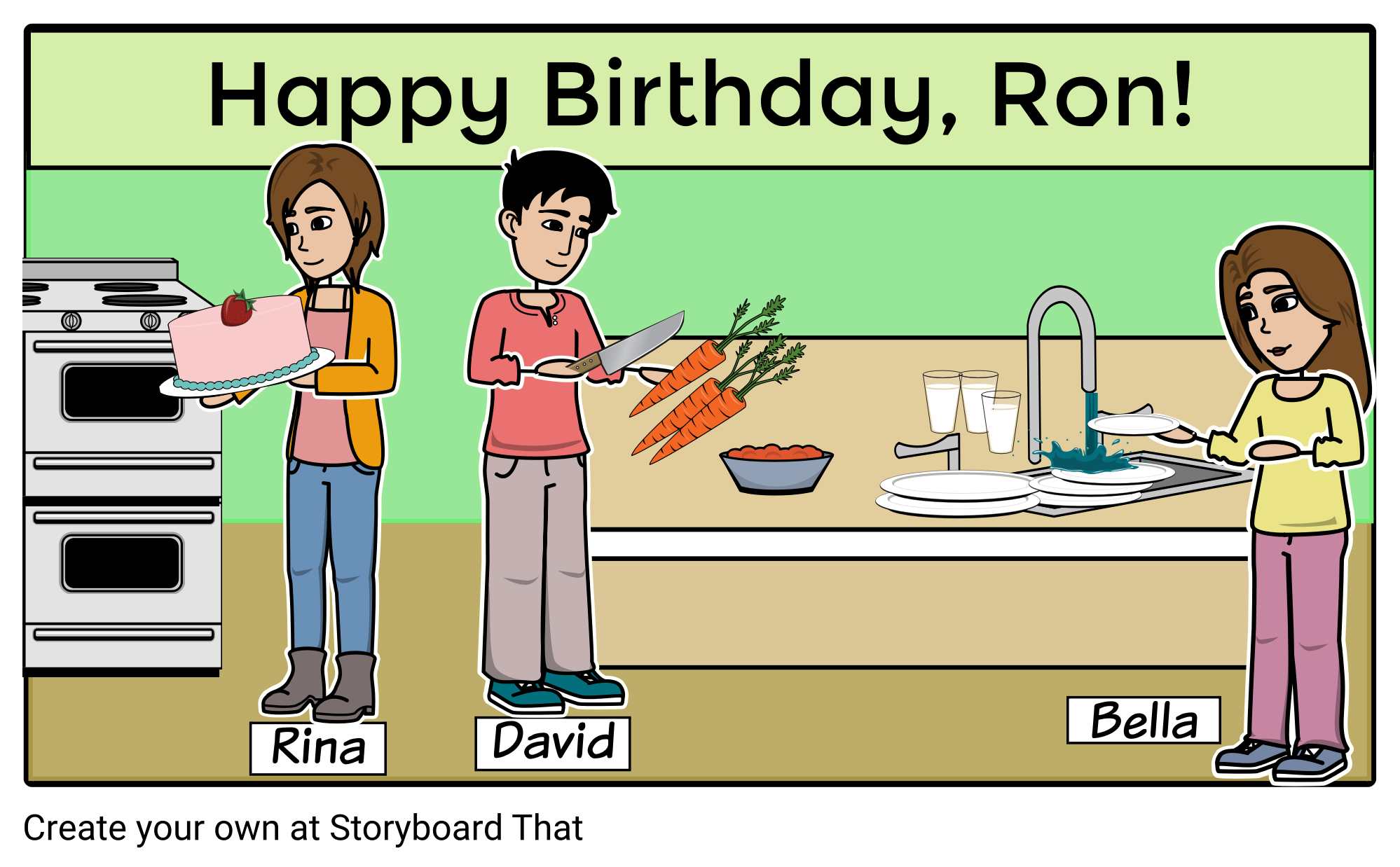
Study the picture for 1 minute. Fill in the blanks by describing how each character prepares for Ron’s birthday using ‘so that’.

PART B_2

1. What does Rina do so that everyone can eat cake?
Answer: ___________________ so that everyone can eat cake.
2. What does David do so that everyone can eat delicious food?
Answer: ____________________ so that everyone can eat delicious food.
3. What does Bella do so that everyone can use clean plates?
Answer: ______________________ so that everyone can use clean plates.

PART C_1

Let’s talk. Please answer my questions using ‘how’ and ‘so that’ You may ask questions, too.

PART C_2

1. Why do you prepare your food nicely? Answer using ‘so that’.
Answer:
2. Why do you eat out? Answer using ‘so that’. Tell me about your favorite restaurant.
Answer:
3. Why do you eat healthy food? Answer using ‘so that’. Do you usually eat vegetables and fruits?
Answer:
4. Why do you eat several times a day. Answer using ‘so that’.
Answer:
5. Why do you prepare your lunch? Answer using ‘so that’. Do you eat out or bring your own food?
Answer:

Conversation(Beginner Chapter 2)|日常会話(初級2章)
Lesson 20: Going Abroad – Modals of Necessity 海外に行く – 必要性を表す助動詞

LESSON GOAL

Let’s check our lesson goal.
In this material, you will learn how to use modals of necessity to make sentences.

PART A_1

Let’s read the dialogue. I will play Ron and you will play Emma. Then, we’ll switch roles.

PART A_2

Hi Emma. Have you been to other countries?
Yes, I sometimes spend my vacations with my family abroad. Why?

That is nice. I will go to the Philippines as an exchange student this September. Can you give me some tips for going abroad?
Sure! You must have your passport, visa, airplane ticket, and other important documents with you. You should check them days or hours before taking your flight.

I will take note of that. Anyway, when going to other countries, should I study and use the local language?
Most people speak English in the Philippines, but if you really want to communicate better, you must study common expressions in the local language. Good luck!

PART A_3

Please answer the questions I will ask you about the dialogue.

PART A_4

1. What will Ron do in September?
Answer:
2. What must Ron have before taking his flight?
Answer:
3. How does Emma spend her vacations with her family?
Answer:
4. Has Ron gone to other countries before?
Answer:

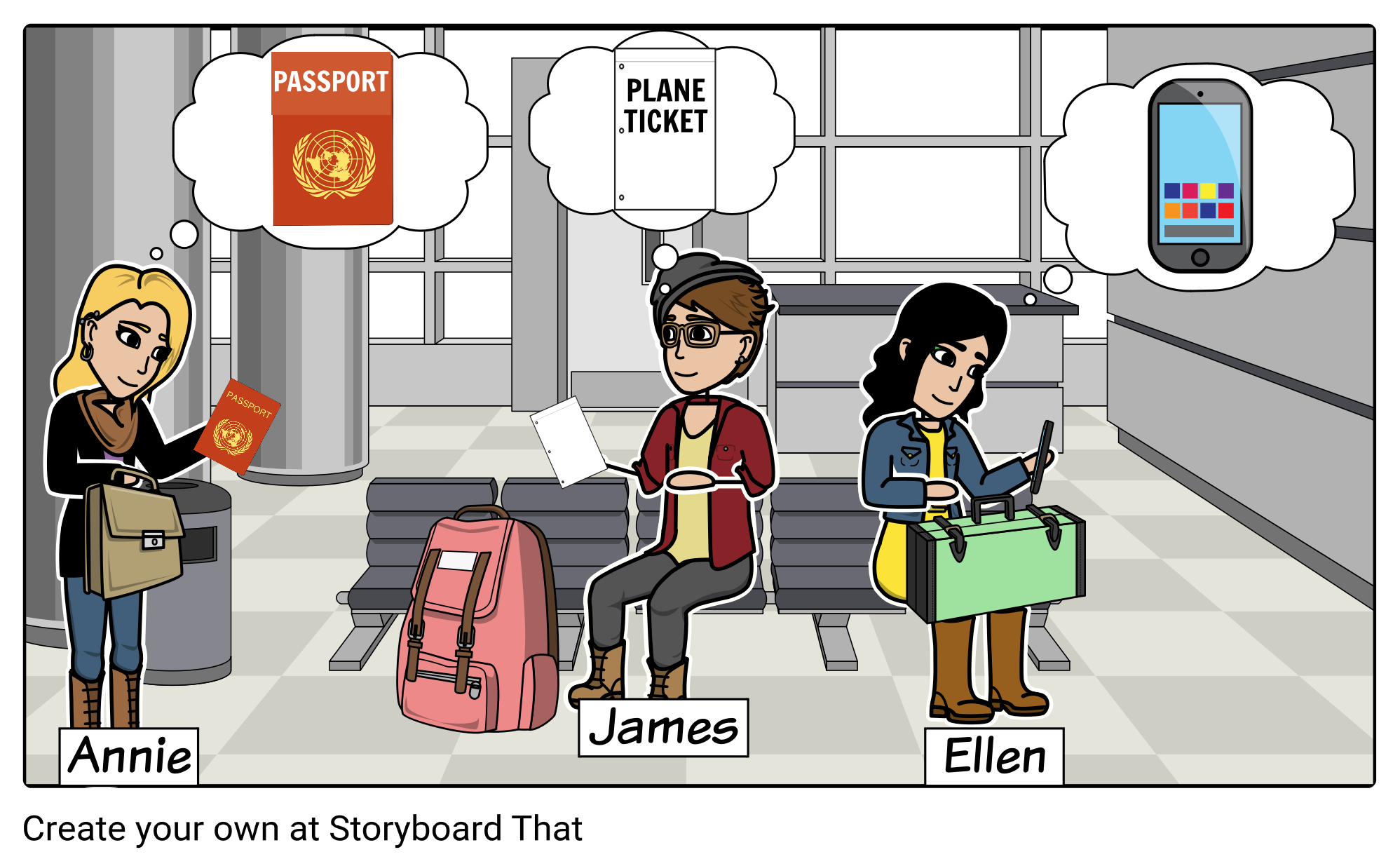
PART B_1

Study the picture for 1 minute. Answer each question in a complete sentence.

PART B_2

1. What must Annie have before taking the flight?
Answer:
2. What must James have before taking the flight?
Answer:
3. What should Ellen have before taking the flight?
Answer:

PART C_1

Let’s talk. Please answer my questions. You may ask questions, too.

PART C_2

1. What should you bring when you go to a far place?
Answer:
2. What should you do if you forget something important?
Answer:
3. What should you know before going to other countries?
Answer:
4. When you go abroad, should you learn the local language or just communicate in English?
Answer:
5. What must you do if you get lost while traveling?
Answer: