All posts by weblio

Conversation(Beginner Chapter 2)|日常会話(初級2章)
Lesson26: Hobbies-Coordinating Conjunctions 趣味-等位接続詞

LESSON GOAL

Let’s check our lesson goal.
In this material, you will learn how to use coordinating conjunctions to connect ideas in sentences.

PART A_1

Let’s read the dialogue. I will play Ron and you will play Emma. Then, we’ll switch roles.

PART A_2

Hello, Emma. What are you going to do this weekend?
Hi, Ron. I’m just going to watch TV at home, and I like reading books after watching TV. How about you?

I don’t like watching TV, but I like reading books. By the way, do you like listening to music?
Yes, I like listening to pop songs. How about you?

I also like listening to pop songs. Actually, I like singing karaoke, but I only sing pop songs.
That is nice to know. I don’t like singing, but I am looking forward to hearing you sing next time.

PART A_3

Please answer the questions about the dialogue using coordinating conjunctions.
会話文についての質問に、等位接続詞を使って答えてください。

PART A_4

1. What is Emma going to do this weekend, and what does she like doing after watching TV?
Answer:
2. What does Emma like to do after watching TV, and what does Ron like doing?
Answer:
3. Does Emma like listening to pop songs, and does Ron like singing karaoke?
Answer:
4. Does Ron like singing karaoke, but only pop songs?
Answer:

PART B_1

Study the picture for 1 minute. Answer the following questions in complete sentences using and or but.

PART B_2

1. What does Sarah like to do, and what does Karen like to do?
Answer:
2. What does Karen like to do, and what does Sarah like to do?
Answer:
3. What does Jack like to do, but what does he dislike doing?
Answer: ____________________, but _________________

PART C_1

Let’s talk. Please answer my questions using and or but. You may ask questions, too.

PART C_2

1. What three things do you like doing in your free time? Use and in your answer.
Answer:
2. What activity at home do you like, but what activity do you dislike?
Answer: ____________________, but _________________
3. What activity at school do you like, but what activity do you dislike?
Answer: ____________________, but _________________
4. What activities do you like to do with your family? Use and in your answer.
Answer:
5. Which one do you like, reading books or watching TV? Use but in your answer.
Answer: ____________________, but _________________

Conversation(Beginner Chapter 2)|日常会話(初級2章)
Lesson25: Cooking and Dining-How and So That 料理と食事-どのように-だから

LESSON GOAL

Let’s check our lesson goal.
In this material, you will learn how to use how and so that in sentences.

PART A_1

Let’s read the dialogue. I will play Ron, and you will play Emma. Then, we’ll switch roles.

PART A_2

Hi, Emma. Do you cook at home?
Yes, I cook at home most of the time so that I can save money on food. I learned how to cook from my parents, who work as chefs. How about you?

You are very lucky. I try to cook sometimes so that I can eat home-cooked meals. I’m not a good cook, though. How can I learn to cook on my own?
You can read and follow recipe books so that you can learn how to cook on your own. I’m sure you can do it, Ron.

Thanks, Emma. I will start tomorrow so that I can have more time to practice cooking.
That’s a great idea. Good luck!

PART A_3

Please answer the questions I’ll ask you about the dialogue using ‘how’ or ‘so that’ in your answers.

PART A_4

1. What does Emma do so that she can save money on food? Answer using ‘so that’.
Answer:
2. Why does Ron try to cook sometimes? Answer using ‘so that’.
Answer:
3. How did Emma learn how to cook? Answer using ‘how’.
Answer:
4. How does Ron show that he wants to learn how to cook? Answer using ‘how’ or ‘so that’.
Answer:

PART B_1

Study the picture for 1 minute. Fill in the blanks by describing how each character prepares for Ron’s birthday using ‘so that’.

PART B_2

1. What does Rina do so that everyone can eat cake?
Answer: ___________________ so that everyone can eat cake.
2. What does David do so that everyone can eat delicious food?
Answer: ____________________ so that everyone can eat delicious food.
3. What does Bella do so that everyone can use clean plates?
Answer: ______________________ so that everyone can use clean plates.

PART C_1

Let’s talk. Please answer my questions using ‘how’ and ‘so that’ You may ask questions, too.

PART C_2

1. Why do you prepare your food nicely? Answer using ‘so that’.
Answer:
2. Why do you eat out? Answer using ‘so that’. Tell me about your favorite restaurant.
Answer:
3. Why do you eat healthy food? Answer using ‘so that’. Do you usually eat vegetables and fruits?
Answer:
4. Why do you eat several times a day. Answer using ‘so that’.
Answer:
5. Why do you prepare your lunch? Answer using ‘so that’. Do you eat out or bring your own food?
Answer:

Conversation(Beginner Chapter 2)|日常会話(初級2章)
Lesson 20: Going Abroad – Modals of Necessity 海外に行く – 必要性を表す助動詞

LESSON GOAL

Let’s check our lesson goal.
In this material, you will learn how to use modals of necessity to make sentences.

PART A_1

Let’s read the dialogue. I will play Ron and you will play Emma. Then, we’ll switch roles.

PART A_2

Hi Emma. Have you been to other countries?
Yes, I sometimes spend my vacations with my family abroad. Why?

That is nice. I will go to the Philippines as an exchange student this September. Can you give me some tips for going abroad?
Sure! You must have your passport, visa, airplane ticket, and other important documents with you. You should check them days or hours before taking your flight.

I will take note of that. Anyway, when going to other countries, should I study and use the local language?
Most people speak English in the Philippines, but if you really want to communicate better, you must study common expressions in the local language. Good luck!

PART A_3

Please answer the questions I will ask you about the dialogue.

PART A_4

1. What will Ron do in September?
Answer:
2. What must Ron have before taking his flight?
Answer:
3. How does Emma spend her vacations with her family?
Answer:
4. Has Ron gone to other countries before?
Answer:

PART B_1

Study the picture for 1 minute. Answer each question in a complete sentence.

PART B_2

1. What must Annie have before taking the flight?
Answer:
2. What must James have before taking the flight?
Answer:
3. What should Ellen have before taking the flight?
Answer:

PART C_1

Let’s talk. Please answer my questions. You may ask questions, too.

PART C_2

1. What should you bring when you go to a far place?
Answer:
2. What should you do if you forget something important?
Answer:
3. What should you know before going to other countries?
Answer:
4. When you go abroad, should you learn the local language or just communicate in English?
Answer:
5. What must you do if you get lost while traveling?
Answer:

Conversation(Beginner Chapter 2)|日常会話(初級2章)
Lesson21: Food-Modals of Request and Permission 食べ物-依頼や許可を表す助動詞

LESSON GOAL

Let’s check our lesson goal.
In this material, you will learn how to use modals of permission and request in creating sentences.

PART A_1

Let’s read the dialogue. I will play Ron and you will play Emma. Then, we’ll switch roles.

PART A_2

Emma, you are right! The food here is really good.
I am glad you like it here. We can eat here again on Sam’s birthday.

Sure. I would love to dine here again. Anyway, could you please pass the salt?
Here you go. Your food looks nice. May I have a taste?

Yes, you may. Here, take some. It’s fish chowder. If I remember correctly, your mom loves anything with fish, right?
Yes, she does, since she does not like to eat meat. I will order fish chowder for myself and some smoked salmon for my mom later to go.

PART A_3

Please answer the questions I’ll ask you about the dialogue.

PART A_4

1. When did Emma say they can eat at the restaurant again? Use a modal.
Answer:
2. What did Ron say to Emma to ask for the salt? Use a modal of request.
Answer:
3. What did Emma say about what her mother likes to eat? Use a modal.
Answer:
4. What did Emma say to explain what she can or cannot eat? Use a modal.
Answer:

PART B_1

Study the picture for 1 minute. Make a sentence about what the character should say based on the given situation.

PART B_2

1. What should the waitress say to take their order? Use a modal of request.
Answer:
2. What should Bella say to order a bowl of salad? Use a modal of request.
Answer:
3. What should Lucas say to order a glass of wine? Use a modal of request.
Answer:

PART C_1

Let’s talk. Please answer my questions. You may ask questions, too.

PART C_2

1. You are at a restaurant and want to order your favorite dish from the menu. What will you say? Use a modal of request.
Answer:
2. You want to learn how to cook your favorite food. What will you say? Use a modal.
Answer:
3. You are in a restaurant. What will you say to ask for the most delicious food? Use a modal.
Answer:
4. You want to know a good restaurant. What will you say? Use a modal.
Answer:
5. You see a strange food. What will you say to ask about it? Use a modal.
Answer:

Conversation(Beginner Chapter 2)|日常会話(初級2章)
Lesson 18: Time and Events – Prepositions of Time 時間と出来事-時間の前置詞

LESSON GOAL

Let’s check our lesson goal.
In this material, you will learn how to use prepositions of time in different situations.

PART A_1

Let’s read the dialogue. I will play Ron and you will play Emma. Then, we’ll switch roles.

PART A_2

Hi, Emma. It is nice to see you again. By the way, I am inviting you to come to my birthday party on February 6.
Let’s see. What day is it?

It is on Saturday. Are you free on that day?
I am free on Saturday. What time is the start of your party? I need to tell my parents so that they will know as well.
Emma

The party starts at five in the afternoon at my house. Don’t worry, my mom will message your parents a day before my birthday party.
Okay, thank you. See you at your birthday party, Ron!

PART A_3

Please answer the questions I’ll ask you about the dialogue.

講師が会話文について質問するので答えてみましょう。

PART A_4

1. When is Ron’s birthday party?
Answer:
2. What time is Ron’s birthday party?
Answer:
3. What day of the week is Ron’s birthday?
Answer:
4. What will Ron’s mom do a day before his birthday?
Answer:

PART B_1

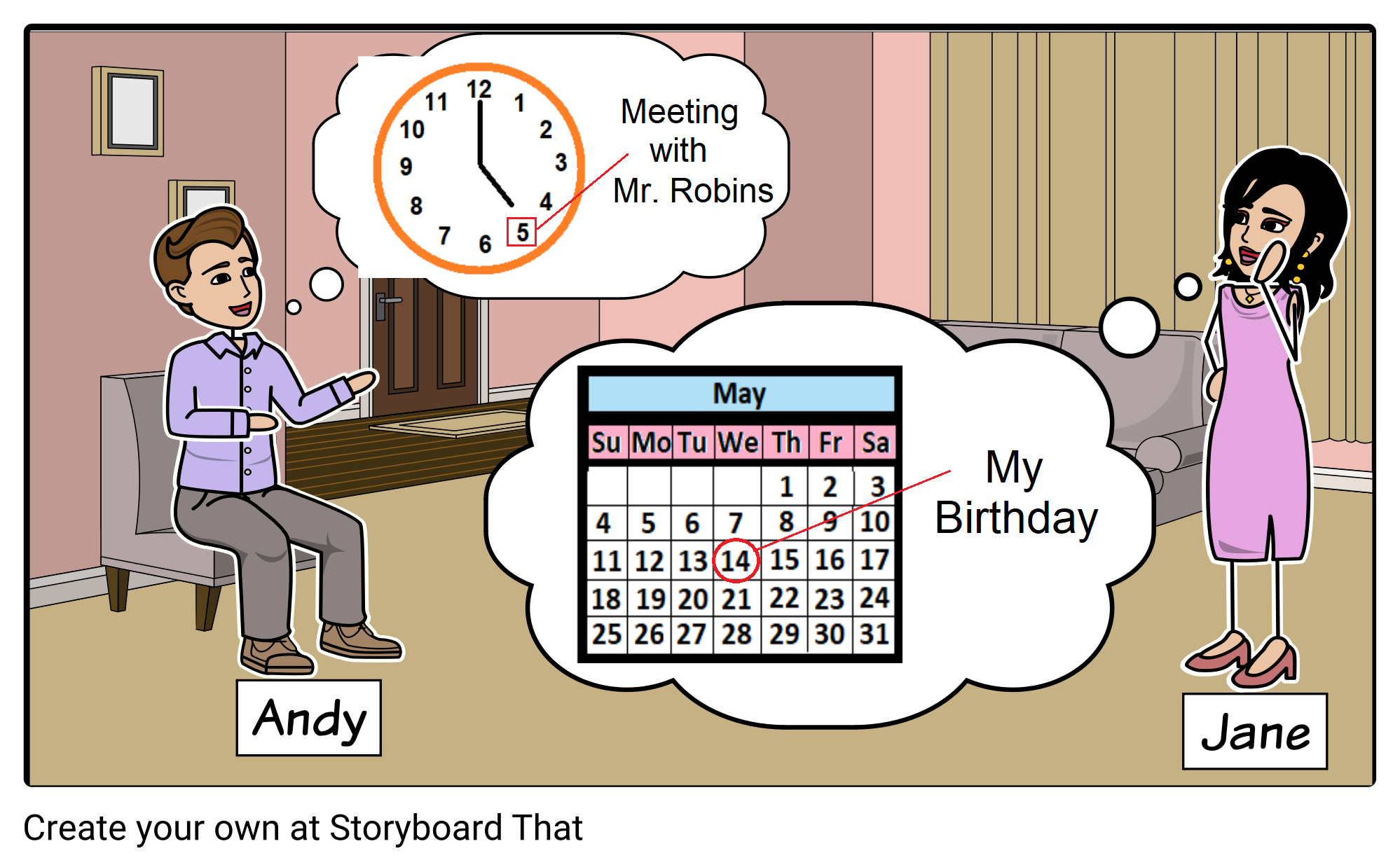
Study the picture for 1 minute. Answer the following questions in complete sentences.

PART B_2

1. What time is Andy’s meeting with Mr. Robins?
Answer:
2. When is Jane’s birthday?
Answer:
3. What day of the week is Jane’s birthday?
Answer:

PART C_1

Let’s talk. Please answer my questions. You may ask questions, too.

PART C_2

1. At what time do you usually leave for and get home from work/school?
Answer:
2. Have you ever been late?
Answer:
3. Do you plan your schedule ahead of time?
Answer:
4. Have you ever missed an important event? What was it about?
Answer:
5. What is your favorite event? When is it?
Answer:

REVIEW AND FEEDBACK

Now, let us review what you learned in this lesson.
(Please give short feedback on how your student did in your class.)
Grammar
文法
Pronunciation
発音
Vocabulary
単語
Comprehension
理解
GOOD 文法の誤りはほとんどなく、完全な文章で話すことができる ほとんどの単語をはっきりと正しく発音することができる 習った表現を適切に使うことができる 文章を理解し、質問に正しく答えることができる

FAIR
文法の誤りはあるが、完全な文章で話すことができる 発音の練習が必要な言葉がいくつかある たまにミスはあるが、習った表現を適切に使うことができる 文章を完全に理解するのは難しく、質問に正しく答えられないときもある

POOR
文章で話すのは難しく、単語だけで話すことができる 発音の練習が必要である 習った単語と表現を少しだけ使うことができる 文章を理解するのは難しく、質問に答えるのは難しい
TUTOR FEEDBACK

GRAMMAR
Good: Was able to speak in complete sentences with minimal grammatical errors.
Fair: Was able to speak in complete sentences with evident grammatical errors.
Poor: Was able to speak using words only.
PRONUNCIATION
Good: Was able to pronounce most of the words clearly and correctly.
Fair: Mispronounced a few words.
Poor: Mispronounced most of the words.
VOCABULARY
Good: Used appropriate expressions learned in class.
Fair: Used appropriate expressions learned in class and made a few errors in word choice.
Poor: Used only a few words and expressions.
COMPREHENSION
Good: Was able to understand the passages and answer the questions correctly.
Fair: Had a little difficulty in understanding passages and answering questions.
Poor: Had a hard time understanding passages and answering questions.

Beginner: Present Progressive Tense

READING ALOUD

Let’s read the dialogue. I will play Sam and you will play Alice. Then, we’ll switch roles.

以下の会話文を読みましょう。最初に講師がSam、あなたがAliceの部分を読みます。終わったら交代しましょう。

READ

Hi, Alice. What are you doing?
Hello, Sam. I’m reading a book.
What kind of book are you reading?
I’m reading a travel book.
I see. Where do you want to go?
I want to go to Paris. Here, have a look at the pictures.
The pictures look beautiful! I want to see that with my own eyes.
Yeah, I’m planning to go to Paris next summer vacation.

CHECK YOUR UNDERSTANDING

Please answer the questions I’ll ask you about the dialogue.
講師が会話文について質問するので答えてみましょう。

ANSWER

1. Question What is Alice doing?
Answer: ______________________________
2. Question What kind of book is she reading?
Answer: ______________________________
3. Question Where does she want to go?
Answer: ______________________________
4. Question Do you think Sam wants to go to Paris as well?
Answer: Yes/No, ______________________________

DESCRIBING PICTURES

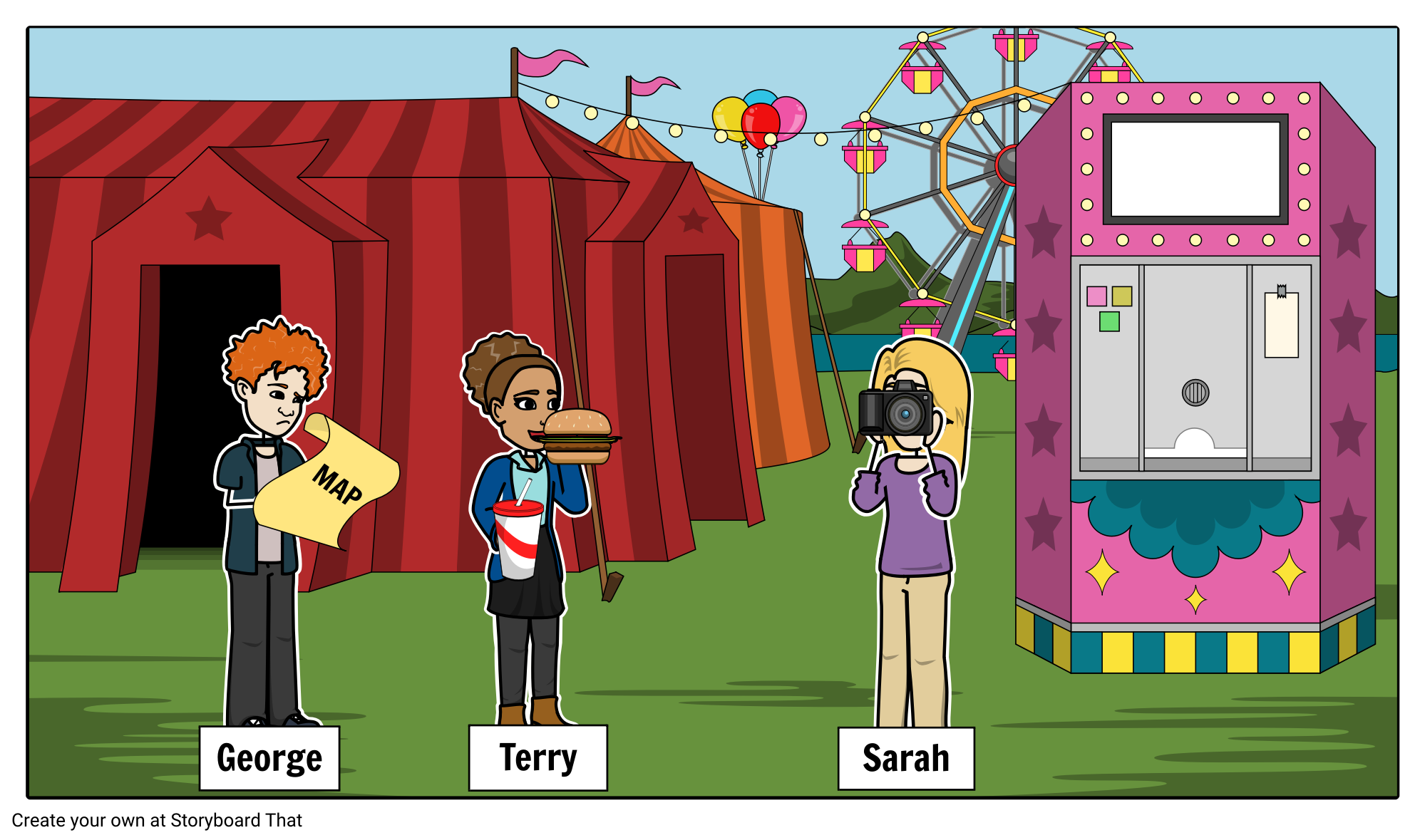
Study the picture for 1 minute. Tell me what they are doing.

1分間イラストを見ましょう。そのあと、それぞれのキャラクターが何をしているかを言ってみましょう。

DESCRIBE

present-progressive-tense---lane-highres
1. Question What is George doing?
Answer: ______________________________
2. Question What is Terry doing?
Answer: ______________________________
3. Question What is Sarah doing?
Answer: ______________________________

CONVERSATION PRACTICE

Let’s talk. Please answer my questions. You may ask questions, too.
会話練習をしましょう。講師が質問しますので答えてみましょう。また、講師に質問してみましょう。

ANSWER

1. Question Are you using a dictionary during our lesson?
Answer: _______________________________
2. Question What subjects are you studying today?
Answer: _______________________________
3. Question What books are you reading?
Answer: _______________________________
4. Question What sports are you playing?
Answer: _______________________________
5. Question Are you traveling a lot?
Answer: _______________________________

3月29日~30日のレッスンについて

お客さま各位

平素はWeblio英会話をご利用いただき誠にありがとうございます。

3月29日(木)、3月30日(金)は、フィリピンの祝日となっております。

お客様へのレッスン提供へ支障が出ないように尽くしますが、
講師数が足りずにレッスン提供数が減少する可能性がございます。
急なお知らせとなり恐縮ではございますが、
何卒ご理解いただけますようお願い申し上げます。

今後ともWeblio英会話をお引き立てくださいますようお願い申し上げます。

Weblio英会話サポート

Conversation(Beginner Chapter 2)|日常会話(初級2章)
Lesson 19: Skills and Talents – Modals of Ability 技能と才能 – 能力の助動詞

LESSON GOAL

Let’s check our lesson goal.
In this material, you will learn how to use modals of ability to make sentences.

PART A_1

Let’s read the dialogue. I will play Ron and you will play Emma. Then, we’ll switch roles.

PART A_2

Good morning, Emma. I heard that you’re going to join the dance club. What kind of dance can you do?
I can dance hip hop and ballet. Do you want to join the dance club with me?

I could dance hip hop well before, but I’m not as good as you or our friends now.
It’s okay. What club are you planning to join?
Emma

I’m planning to join the music club because I can play the guitar, drums, and piano. I can also sing.
Wow. You have amazing musical talent. Good luck!

PART A_3

Please answer the questions I will ask you about the dialogue.

PART A_4

1. What kind of dance can Emma do?
Answer:
2. What musical instruments can Ron play?
Answer:
3. Can Ron sing?
Answer:
4. Can Ron dance ballet?
Answer:

PART B_1

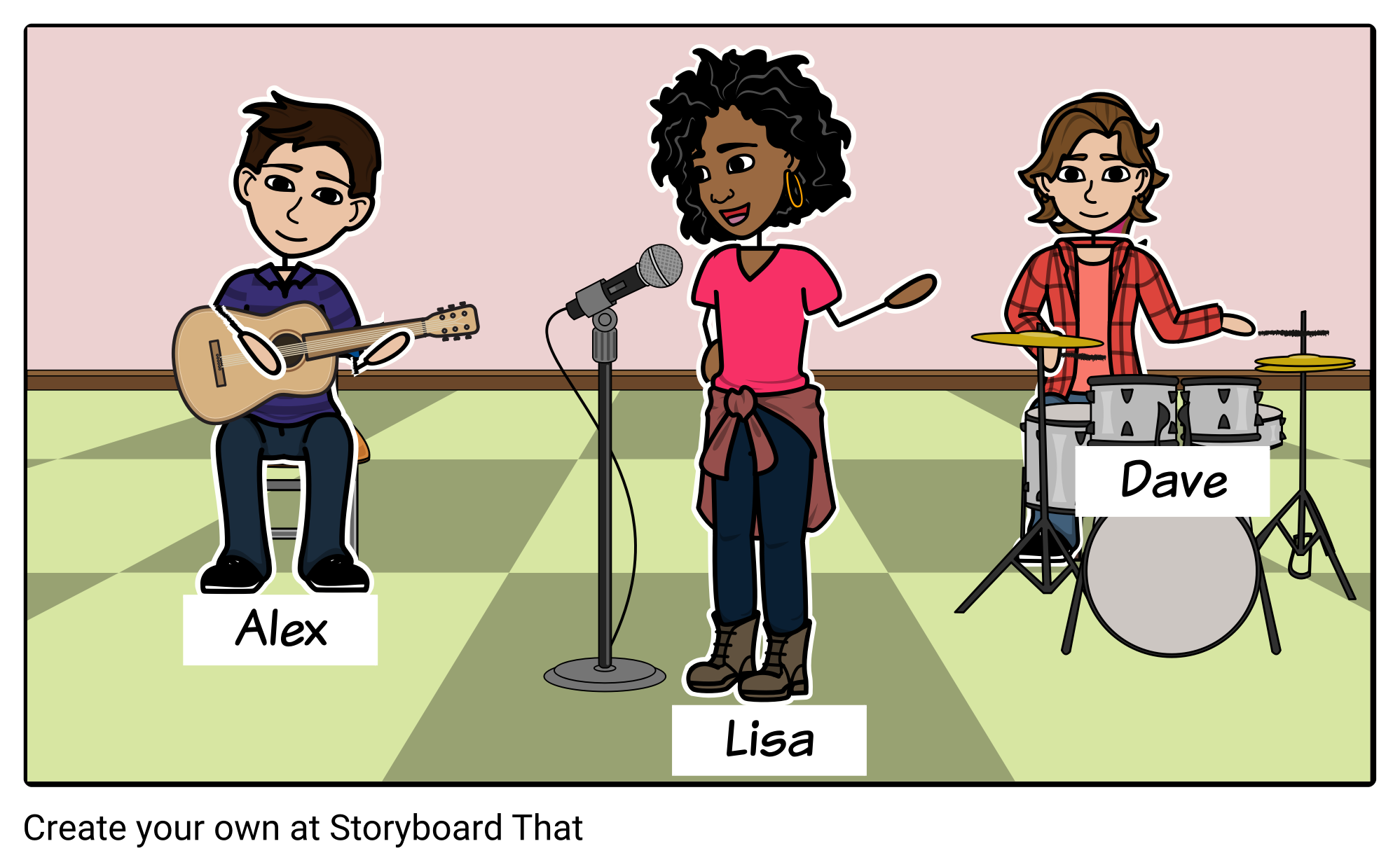
Study the picture for 1 minute. Tell me what each character can do in complete sentences.

PART B_2

1. What can Lisa do?
Answer:
2. What can Alex do?
Answer:
3. What can Dave do?
Answer:

PART C_1

Let’s talk. Please answer my questions. You may ask questions, too.

PART C_2

1. How many languages can you speak?
Answer:
2. Can you sing or play musical instruments?
Answer:
3. What things can you do very well?
Answer:
4. What things do you wish you could do?
Answer:
5. If you could have a superpower, what would it be?
Answer:

Conversation(Beginner Chapter 2)|日常会話(初級2章)
Lesson23: Traveling and Vacation-Antonymous Adjectives 旅行と休暇-反意の形容詞

LESSON GOAL

Let’s check our lesson goal.
In this material, you will learn how to use antonymous adjectives in sentences.

PART A_1

Let’s read the dialogue. I will play Ron and you will play Emma. Then, we’ll switch roles.

PART A_2

Hi, Emma. How was your family trip?
It was fun but tiring. We went to an animal park. We saw kangaroos and rabbits! It was very scary at first, but we enjoyed the experience. How was your weekend?

That is so cool. Were there many people in the park? My weekend was a bit boring but it became interesting when I went to the park with my friends.
There were only a few people when we went there. At first, I thought it was a big park, but it was small.

I wish I could visit that place too. It is easy to travel, but it is difficult to find time.
That’s right. Anyway, I need to go. My sister is waiting for me.

PART A_3

Please answer the questions using antonymous adjectives from the dialogue.

PART A_4

1. How was Emma’s family trip?
Answer:
2. How did Emma feel when she saw the animals?
Answer:
3. How was Ron’s weekend at first and later?
Answer:
4. Was the park crowded or not crowded when Emma visited?
Answer:

PART B_1

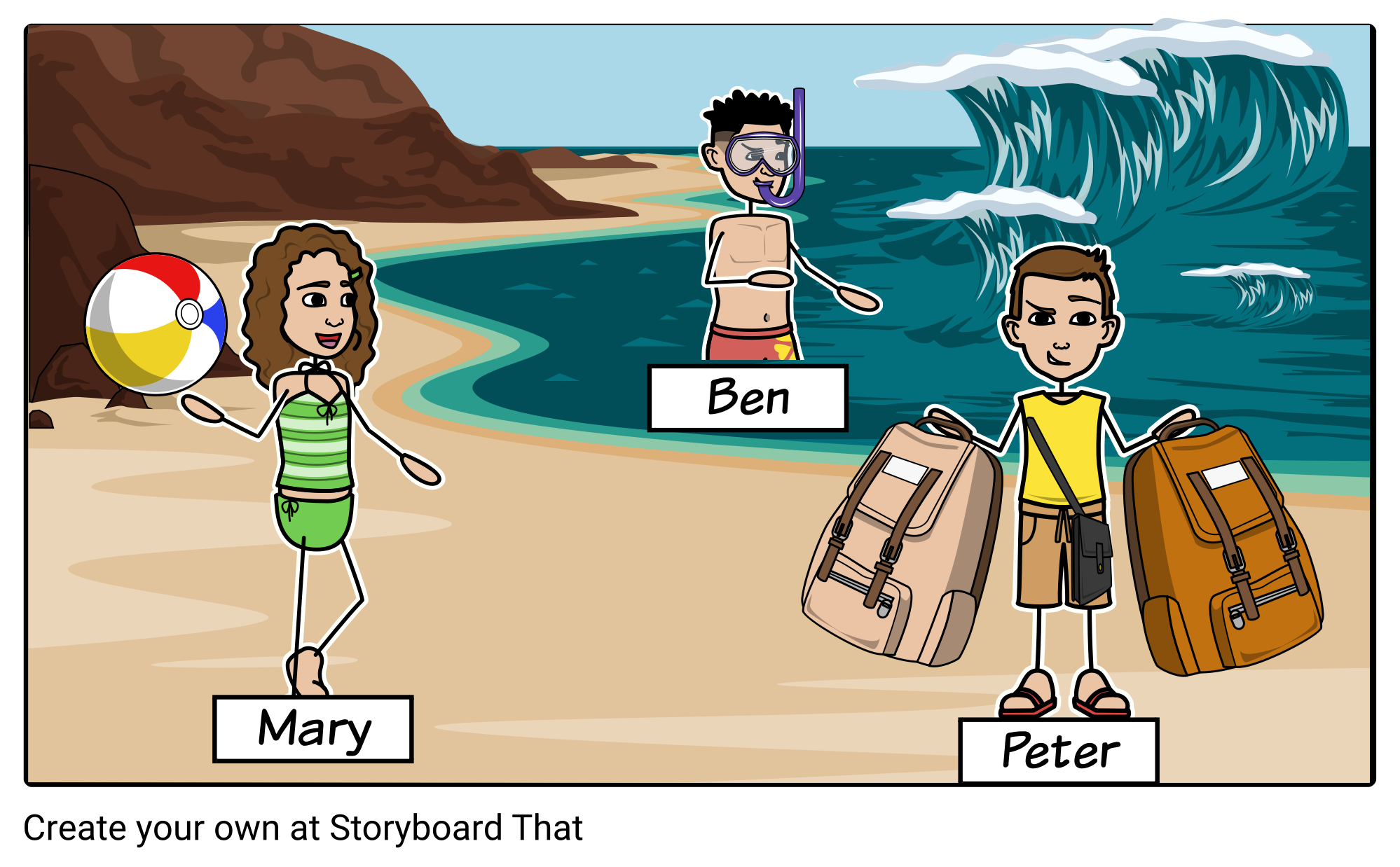
Study the picture for 1 minute. Choose the word in parentheses that shows the opposite of how each character looks or acts. Then, use it in a sentence.

PART B_2

1. How does Mary look? (happy/sad)
Answer:
2. How does Ben look? (afraid/brave)
Answer:
3. How does Peter look? (strong/weak)
Answer:

PART C_1

Let’s talk. Please answer my questions. You may ask questions, too.

PART C_2

1. Do you prefer cold or hot places? Use both adjectives in one sentence.
Answer:
2. Do you prefer long or short travel? Use both adjectives in one sentence.
Answer:
3. What activities do you find interesting but others find boring? Use both adjectives in one sentence.
Answer:
4. Do you usually bring heavy or light baggage? Use both adjectives in one sentence.
Answer:
5. Is it better to be awake or asleep while traveling? Use both adjectives in one sentence.
Answer:

Conversation(Beginner Chapter 2)|日常会話(初級2章)
Lesson22: Emotions-Synonymous Adjectives 感情-同義の形容詞

LESSON GOAL

Let’s check our lesson goal.
In this material, you will learn about synonymous adjectives.

PART A_1

Let’s read the dialogue. I will play Ron, and you will play Emma. Then, we’ll switch roles.

PART A_2

Hi, Emma. How was the exam?
It was fine. I’m glad I passed. Why do you look sad?

Wow! That’s great! I feel miserable because I failed. I’m afraid to tell my parents.
You don’t have to be scared. Just explain it to them.
Emma

Okay, I will. Thank you, Emma.
You’re welcome. I hope you feel better soon.Emma

PART A_3

Please answer the questions I’ll ask you about the dialogue.

PART A_4

1. How does Emma feel after the exam? Use an emotion adjective.
Answer:
2. Why does Ron feel miserable? Use an emotion adjective.
Answer:
3. How does Ron feel about telling his parents about his exam? Use an emotion adjective.
Answer:
4. How does Emma feel about Ron’s situation? Use an emotion adjective.
Answer:

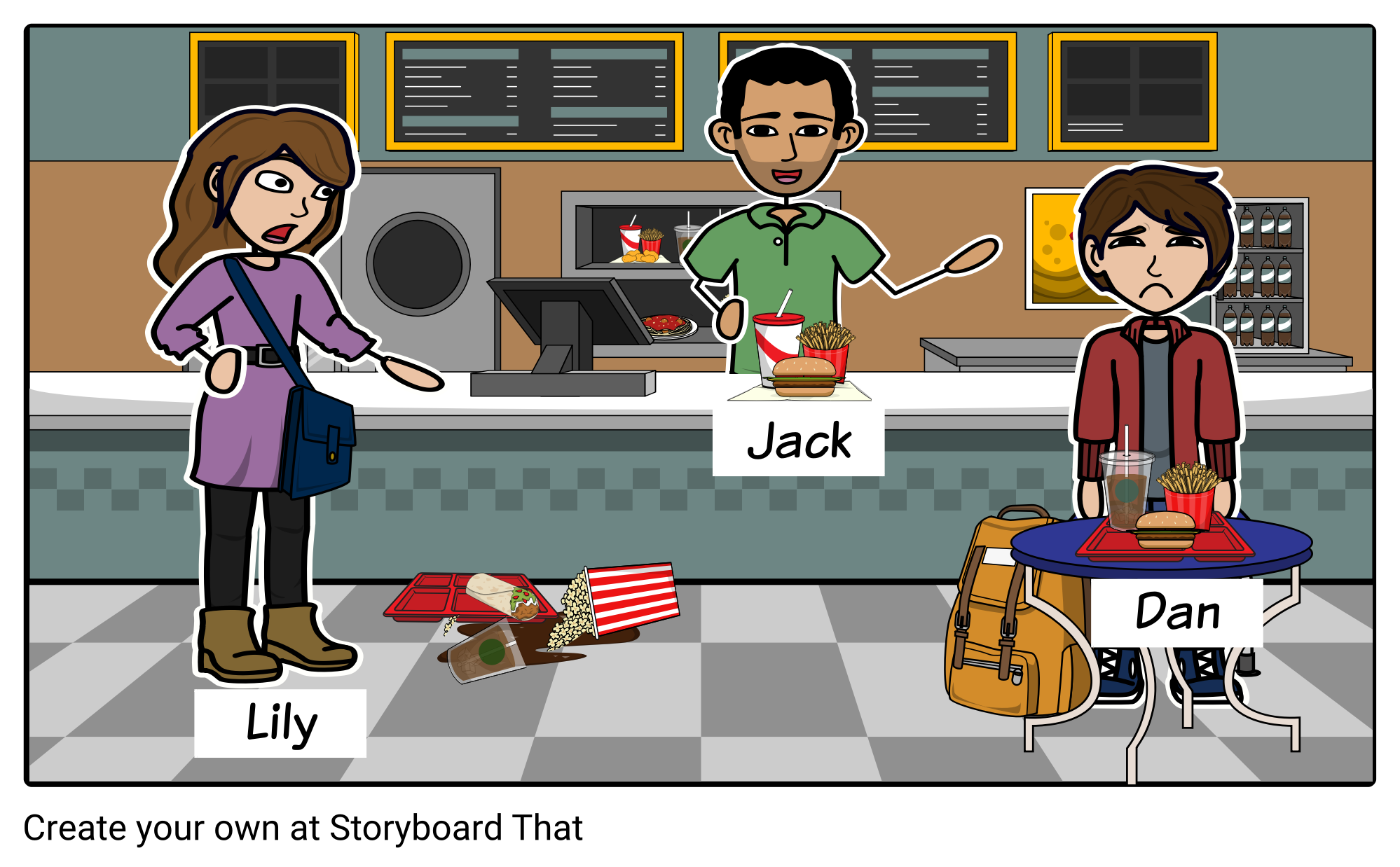
PART B_1

Study the picture for 1 minute. Use a full sentence and choose the correct adjective from the parentheses.

PART B_2

1. How does Lily feel? (shocked/mad)
Answer:
2. How does Jack feel? (glad/afraid)
Answer:
3. How does Dan feel? (lonely/angry)
Answer:

PART C_1

Let’s talk. Please answer my questions. You may ask questions, too.

PART C_2

1. What situations make you feel lonely or sad?
Answer:
2. What event amazed (surprised) you the most?
Answer:
3. What are you afraid (scared) of?
Answer:
4. What do you usually do to make people glad (happy)?
Answer:
5. When was the last time you got mad (angry)?
Answer: