PART A_1
We will read aloud the words below. Please repeat after me. I will check your pronunciation.
(Please send the mispronounced words and expressions to your student.)
PART A_2
| straightforward | 直接的に |
| on the other hand | 一方で |
| prefer to | ~を好む |
| deal with | ~を取り扱う |
| conflict | 衝突 |
| seek | ~を探し求める |
| going out | 出かける |
| in this day and age | 現代では |
PART A_3
Now, let’s review some words from part A_2.
(Please review the mispronounced words and expressions from part A_2.)
PART A_4
PART B_1
You will read aloud the passage below. I will check your pronunciation and intonation.
(Please send the mispronounced words and expressions to your student.)
PART B_2
The cultural differences between Western and Asian countries
Learning about other countries’ culture is one of the most important things which people must do before visiting or working in a foreign country.
Western and Asian countries have significant cultural differences. For instance, western people believe that being straightforward is essential when dealing with certain issues. On the other hand, Asians people prefer to deal with issues indirectly to avoid possible conflicts.
Western people are more individualistic as compared to Asian people. Western people are more comfortable making decisions on their own. Meanwhile, Asian people feel more comfortable being a part of a group. They generally seek advice from other people, especially with their friends and family when making important decisions. Also, going out as a group is more common to Asian people than Western people. That is why group sizes are usually small for Western people while large groups are common for Asian people, especially during special occasions.
Asian people often form close emotional relationships with their colleagues. They feel the importance of it and keeping those people for life. While Western people prefer to keep their circle small and create a strong relationship with a few people who are with the same interest.
In this day and age, it is important that people are aware of the cultural differences as they would help them create a good and respectful relationship with other people from different parts of the world.
PART B_3
Now, let’s review some words and expressions from part B_2.
(Please review the mispronounced words and expressions from part B_2.)
PART B_4
PART B_5
I will ask the following questions. Please answer based on the passage. I will check if your sentences are complete and if the grammar is correct.
PART B_6
| 1. | What is one of the most important things people must do before visiting or working in a foreign country? |
| Answer: | |
| 2. | Why do Asian people prefer to deal with issues indirectly? |
| Answer: | |
| 3. | Who is more individualistic as compared to Asian people? |
| Answer: | |
| 4. | What do Asian people often form? |
| Answer: | |
| 5. | Who prefers to keep their circle small? |
| Answer: |
PART B_7
Now, let’s review your answers.
(Please review your student’s answers by sending the correct answers in complete sentences. After that, ask your student to read aloud his or her corrected answers.)
PART B_8
PART C_1
Please construct sentences using each word below.
PART C_2
| straightforward | |
| prefer to | |
| seek | |
| going out | |
| in this day and age |
PART C_3
Now, let’s review your sentences.
(Please review your student’s sentences by sending them in complete sentences. After that, ask your student to read aloud his or her corrected sentences.)
PART C_4
PART D_1
Let’s study the example below. I will read the sample question, and you will read the sample answer.
PART D_2
|
Sample Question:
|
Studying English is important. Do you agree with that? |
|
Sample Answer:
|
I agree. In my opinion, English is not only a school subject but a language that can be used in communication. To have a good future, we need to study English so we can have more opportunities to achieve success. |
PART D_3
You will defend your opinion about the following topics. Your answer should have at least one reason.
Your answer should start with “I agree/ I disagree”.
I will check if your sentences are complete and if the grammar is correct.
Your answer should start with “I agree/ I disagree”.
I will check if your sentences are complete and if the grammar is correct.
PART D_4
| 1. | All people should learn at least one foreign language. | |
| Answer: | I agree / I disagree | |
| 2. | Foreigners should practice the culture of the country they are visiting. | |
| Answer: | I agree / I disagree | |
| 3. | All cultures are equally interesting. | |
| Answer: | I agree / I disagree |
PART D_5
Now, let’s review your answers.
(Please review your student’s answers by sending the correct answers in complete sentences. After that, ask your student to read aloud his or her corrected answers.)
PART D_6
PART E_1
Now, please answer the following questions. Give at least one reason to support your opinion.
I will check if your sentences are complete and if the grammar is correct.
PART E_2
| 1. | Why do you think culture is important? |
| Answer: | |
| 2. | What do you think is the best way to learn about other countries’ culture? |
| Answer: | |
| 3. | Why do you think some people like traveling abroad? |
| Answer: | |
| 4. | Why do you think some people choose to study abroad? |
| Answer: |
PART E_3
Now, let’s review your answers.
(Please review your student’s answers by sending the correct answers in complete sentences. After that, ask your student to read aloud his or her corrected answers.)
PART E_4
Y_NT2_Lesson-6-1
PART A_1
Let’s introduce ourselves to each other.
自己紹介をしましょう。
PART A_2
My name is ________. Nice to meet you. What is your name?
PART A_3
I am ________. Nice to meet you too. Let’s start our lesson.
PART B_1
We will read aloud the words below. Please repeat after me. I will check your pronunciation.
単語を音読します。講師に続いて読みましょう。講師は発音を確認します。
(Please send the mispronounced words and expressions to your student.)
PART B_2
| company |
企業
|
| someday |
いつか
|
| for a long time |
長い間
|
| somewhere |
どこか
|
| seen |
seeの過去完了形
|
PART B_3
Now, let’s review some words from part B_2.
ではいくつかの単語を復習してみましょう。
(Please review the mispronounced words and expressions from part B_2.)
PART B_4
PART C_1
We will read aloud the sentences below. I will check your pronunciation and intonation.
文を読みます。講師が発音、イントネーションについて確認します。
(Please send the mispronounced words and expressions to your student.)
PART C_2
| 1. | I have not seen the company’s announcement about the holiday vacation. |
| 2. | Have you made any travel plans yet? |
| 3. | Have you ever been to Russia before? |
| 4. | I have lived in Russia for two years. |
| 5. | I haven’t seen him for ten years. |
PART C_3
Now, let’s review some words and expressions from part C_2.
ではいくつかの単語、文章を復習してみましょう。
(Please review the mispronounced words and expressions from part C_2.)
PART C_4
PART D_1
We will read aloud the dialogue below. I will check your pronunciation and intonation.
会話文を読みます。講師が発音、イントネーションについて確認します。
(Please send the mispronounced words and expressions to your student.)
PART D_2
|
TUTOR:
|
Hi, Mary. We’re going to have a holiday vacation for a long time next month. Have you made any travel plans yet? |
|
STUDENT:
|
Really? I have not seen the company’s announcement about the holiday vacation. But I want to travel to Russia during that time. |
|
TUTOR:
|
Wow. Have you ever been to Russia before? |
|
STUDENT:
|
Yes, I have. I have lived in Russia for two years. |
|
TUTOR:
|
That’s interesting. I have never been to Russia, but I want to go there next year. I want to travel somewhere near Russia too. |
|
STUDENT:
|
Of course! There are many places in Russia that you can visit. So, where will you travel to next month? |
|
TUTOR:
|
I will travel to Hawaii to visit my uncle. I haven’t seen him for ten years. |
|
STUDENT:
|
I see. Enjoy your trip. I hope that someday we could travel together. |
PART D_3
Now, let’s review some words and sentences from part D_2.
ではいくつかの単語、文章を復習してみましょう。
(Please review the mispronounced words and sentences from part D_2.)
PART D_4
PART E_1
You will answer the questions below using the grammar topics you learned.
I will check if your sentences are complete and if the grammar is correct.
講師が質問しますので、習った文法を使って答えましょう。講師は文法と完全な文章であるかを確認します。
(Please send the sentences that need grammar corrections to your student.)
PART E_2
| 1. | Have you been to other countries? |
| Answer: | |
| 2. | What country would you like to visit soon? |
| Answer: | |
| 3. | Have you made any travel plans for your next vacation? |
| Answer: | |
| 4. | Have you been to Russia? |
| Answer: | |
| 5. | Would you like to live in another country someday? |
| Answer: | |
| 6. | Why do you think many tourists go to Japan? |
| Answer: |
PART E_3
Now, let’s review your answers.
では、あなたの答えを復習してみましょう。その後、修正したあなたの答えを読んでみましょう。
(Please review your student’s answers by sending them in complete sentences. After that, ask your student to read aloud his or her corrected answers.)
PART E_4

PART F_1
Now, you will ask me the questions below using the grammar topics you learned.
I will check if your sentences are complete and if the grammar is correct.
今度は、あなたが講師に質問します。習った文法を使って文を作りましょう。
講師は文法と完全な文章であるかを確認します。
(Please send the sentences that need grammar corrections to your student.)
PART F_2
| Student: | ? | |
| Tutor: | No. I haven’t seen him for two days. | |
| Student: | ? | |
| Tutor: | The first country I have visited was Hawaii. | |
| Student: | ? | |
| Tutor: | Yes. I have been to Beijing last year. | |
| Student: | ? | |
| Tutor: | I have lived in Hawaii for three years. | |
| Student: | ? | |
| Tutor: | No. I haven’t been to the new restaurant. | |
| Student: | ? | |
| Tutor: | Yes. I have seen the new company rule. |
PART F_3
Now, let’s review your answers.
では、あなたの答えを復習してみましょう。その後、修正したあなたの答えを読んでみましょう。
(Please review your student’s answers by sending them in complete sentences. After that, ask your student to read aloud his or her corrected answers.)
PART F_4
PART G_1
Let’s do a free talk about the following topics.
フリートークをしましょう。
(Please do a free talk if you have time left.)
PART G_2
Do you know someone who works abroad?
Have you studied other languages aside from English?
PART G_3
Y_Unite4_Lesson-12-1
PART A_1
We will read aloud the words below. Please repeat after me. I will check your pronunciation.
(Please send the mispronounced words and expressions to your student.)
PART A_2
| consider | よく考える |
| rapidly | 急速に |
| population | 人口 |
| decreased by 400,000 people | 40万人減少する |
| expected to | 予期される |
| turn into a success | 成功する |
| bring over | (遠くから)連れて来る |
| in the coming years | これから数年のうちに |
PART A_3
Now, let’s review some words from part A_2.
(Please review the mispronounced words and expressions from part A_2.)
PART A_4
PART B_1
You will read aloud the passage below. I will check your pronunciation and intonation.
(Please send the mispronounced words and expressions to your student.)
PART B_2
The decreasing Japanese population
Nowadays, most Japanese young adults do not consider having their own children. Because of this, Japan’s population has been decreasing rapidly.
According to the health ministry, there were only 946,000 babies born in Japan in 2017. This is the lowest birth rate since the year 1899. On the other hand, there were about 1,340,433 Japanese people died in the same year. Meaning, the Japanese population has decreased by 400,000 people.
According to the Japanese Statistics Bureau, the current Japanese population is around 127 million and is expected to decrease by 100 million by 2020. If this continues over the years, the Japanese population would fall to 8.5 million by 2300.
The Japanese government established projects in the mid-1990 that aim to make having kids more appealing for young adults. These projects were expected to reduce the costs of childcare and force companies to create policies that are more parent-friendly. Although the plan did not turn into a success, it helped the population decline from getting worse.
To control the decreasing number of the Japanese population, the government should consider accepting immigrants from a different perspective. However, the government seems not ready yet to make an attempt in doing this. The number of foreign workers in Japan has significantly increased from 300,000 in 2007 to almost 1.5 million in 2017. However, not all of them are offered to become permanent residents. They are also not allowed to bring over their families which discourages them from staying for a long time.
If the Japanese population continues to decrease in the future, it is expected that people from other countries would encounter fewer Japanese people in the coming years.
PART B_3
Now, let’s review some words and expressions from part B_2.
(Please review the mispronounced words and expressions from part B_2.)
PART B_4
PART B_5
I will ask the following questions. Please answer based on the passage. I will check if your sentences are complete and if the grammar is correct.
PART B_6
| 1. | What do most Japanese young adults do not consider nowadays? |
| Answer: | |
| 2. | How many babies were born in Japan in 2017? |
| Answer: | |
| 3. | What is the current Japanese population? |
| Answer: | |
| 4. | What happened in the mid-1990s? |
| Answer: | |
| 5. | What should the Japanese government consider? |
| Answer: |
PART B_7
Now, let’s review your answers.
(Please review your student’s answers by sending the correct answers in complete sentences. After that, ask your student to read aloud his or her corrected answers.)
PART B_8
PART C_1
Please construct sentences using each word below.
PART C_2
| consider | |
| population | |
| decreased by | |
| bring over | |
| in the coming years |
PART C_3
Now, let’s review your sentences.
(Please review your student’s sentences by sending them in complete sentences. After that, ask your student to read aloud his or her corrected sentences.)
PART C_4
PART D_1
Let’s study the example below. I will read the sample question, and you will read the sample answer.
PART D_2
|
Sample Question:
|
Studying English is important. Do you agree with that? |
|
Sample Answer:
|
I agree. In my opinion, English is not only a school subject but a language that can be used in communication. To have a good future, we need to study English so we can have more opportunities to achieve success. |
PART D_3
You will defend your opinion about the following topics. Your answer should have at least one reason.
Your answer should start with “I agree/ I disagree”.
I will check if your sentences are complete and if the grammar is correct.
Your answer should start with “I agree/ I disagree”.
I will check if your sentences are complete and if the grammar is correct.
PART D_4
| 1. | Not having children is not a selfish decision. | |
| Answer: | I agree / I disagree | |
| 2. | All people should have a chance to adopt children. | |
| Answer: | I agree / I disagree | |
| 3. | Raising a child is a big responsibility. | |
| Answer: | I agree / I disagree |
PART D_5
Now, let’s review your answers.
(Please review your student’s answers by sending the correct answers in complete sentences. After that, ask your student to read aloud his or her corrected answers.)
PART D_6
PART E_1
Now, please answer the following questions. Give at least one reason to support your opinion.
I will check if your sentences are complete and if the grammar is correct.
PART E_2
| 1. | Why do you think some young adults do not want to have their own child? |
| Answer: | |
| 2. | What are the advantages of not having a child? |
| Answer: | |
| 3. | What do you think is the biggest challenge of raising a child? |
| Answer: | |
| 4. | Do you agree that immigrants should be allowed to bring over their families? |
| Answer: |
PART E_3
Now, let’s review your answers.
(Please review your student’s answers by sending the correct answers in complete sentences. After that, ask your student to read aloud his or her corrected answers.)
PART E_4
Y_CI_Lesson-8-1
PART A_1
We will read aloud the words below. Please repeat after me. I will check your pronunciation.
単語を音読します。講師に続いて読みましょう。講師は発音を確認します。
(Please send the mispronounced words and expressions to your student.)
PART A_2
| unpleasant | 不愉快な |
| progress | 前進 |
| allow | 許可する |
| comfortable | 快適な |
| past | 過去 |
| fire | 火 |
PART A_3
Now, let’s review some words from part A_2.
ではいくつかの単語を復習してみましょう。
(Please review the mispronounced words and expressions from part A_2.)
PART A_4
PART A_5
Now, please look at the picture below. Give three actions that you see in the picture.
以下の写真を見てください。3人の人物が何をしているか描写してみましょう。
PART A_6
| 1. | |
| 2. | |
| 3. |
PART A_7
Now, let’s review your answers.
では、あなたの答えを復習してみましょう。その後、修正したあなたの答えを読んでみましょう。
(Please review your student’s answers by sending the correct answers in complete sentences. After that, ask your student to read aloud his or her corrected answers.)
PART A_8
PART B_1
You will read aloud the passage below. I will check your pronunciation and intonation.
文章を読みます。講師が発音、イントネーションについて確認します。
(Please send the mispronounced words and expressions to your student.)
PART B_2
Looking back at history
An exhibition called “Looking Back at the Twentieth Century” presented 300 photographs from the past which allowed people to look back at history.
The great progress in the world started during the 20th century which made people’s lives comfortable. However, it was also the time when millions of people lost their lives in terrible wars.
One of the photographs in the exhibition showed a boy carrying a baby on his back. It was taken by Joe O’Donnell in Japan in 1945. In an interview, he told the story behind the photograph. He said that the boy whom he took a picture of looked different and serious. When the boy arrived, men wearing white masks came to him, took the baby on his back, and placed the baby on the fire. That was the time when he realized that the baby on the boy’s back was dead. The boy stood straight and watched the flames for a while then silently walked away from it. This is just one of the hundreds of photographs with an unpleasant past.
PART B_3
Now, let’s review some words and sentences from part B_2.
ではいくつかの単語、文章を復習してみましょう。
(Please review the mispronounced words and sentences from part B_2.)
PART B_4
PART B_5
I will ask the following questions. Please answer based on the passage. I will check if your sentences are complete and if the grammar is correct.
講師が以下の質問をします。読んだ内容をもとに答えましょう。講師は文法と完全な文章で答えられているかを確認します。
PART B_6
| 1. | What does “Looking Back at the Twentieth Century” present? |
| Answer: | |
| 2. | When did the great progress in the world start? |
| Answer: | |
| 3. | What photograph did Joe O’Donnell take? |
| Answer: | |
| 4. | When did Joe O’Donnell realize that the baby on the boy’s back was dead? |
| Answer: |
PART B_7
Now, let’s review your answers.
では、あなたの答えを復習してみましょう。その後、修正したあなたの答えを読んでみましょう。
(Please review your student’s answers by sending the correct answers in complete sentences. After that, ask your student to read aloud his or her corrected answers.)
PART B_8
PART C_1
Please choose a word to complete each sentence. Then, read aloud the sentences.
言葉を選んで文章を完成させましょう。そのあと音読しましょう。
PART C_2
unpleasant
allow
progress
comfortable
| 1. | The victim wants to forget her _______________ past. |
| 2. | The company made great _________________ last year. |
| 3. | His life was happy and _______________ when he was a student. |
PART C_3
Now, let’s review your answers.
では、あなたの答えを復習してみましょう。その後、修正したあなたの答えを読んでみましょう。
(Please review your student’s answers by sending the correct answers in complete sentences. After that, ask your student to read aloud his or her corrected answers.)
PART C_4
PART D_1
Please answer the following questions.
I will check if your sentences are complete and if the grammar is correct.
講師が質問しますので答えましょう。講師は文法と完全な文章であるかを確認します。
PART D_2
| 1. | What kind of pictures do you like? | |
| Answer: | . | |
| 2. | What is your opinion about people who always take pictures anytime and anywhere? | |
| Answer: | . | |
| 3. | When do you usually take pictures? | |
| Answer: | . | |
| 4. | Do you visit photo exhibits? | |
| Answer: | . | |
| 5. | Do you think history is important to understand the present? | |
| Answer: | . | |
PART D_3
Now, let’s review your answers.
では、あなたの答えを復習してみましょう。その後、修正したあなたの答えを読んでみましょう。
(Please review your student’s answers by sending the correct answers in complete sentences. After that, ask your student to read aloud his or her corrected answers.)
PART D_4
[Presentation] Soka HS Grade1 #3
PART A_1
Let’s introduce ourselves to each other.
自己紹介をしましょう。
PART A_2
My name is ________. Nice to meet you. What is your name?
PART A_3
I am ________. Nice to meet you too. Let’s start our lesson.
PART B_1
I will give a presentation about the school rules in the Philippines.
まず講師がフィリピンの校則についてプレゼンテーションをします。
(Please read aloud the passage below.)
PART B_2
Schools set rules that students must follow at all times. The aim of these rules is to teach good behavior that they could carry out everywhere.
In the Philippines, not all schools have the same set of rules, but these rules are very similar to one another. Some of the most common rules for both private and public schools are being on time, wearing of proper and complete uniform, and maintaining order and cleanliness.
Here are the details. First of all, all students are required to come to school at least 15 minutes before class time. Secondly, they are also expected to come to school wearing the proper and complete uniform. Most schools do not allow students to enter unless they wear the required uniform. Particularly, no I.D., no entry is a rule that most schools have. Finally, students must make sure that they maintain the order and cleanliness of the school and their classrooms. Most classes have student cleaners every day so they can make sure that their classroom is clean before they go home.
In conclusion, some rules might be difficult to follow for some students, but they must keep in mind that these rules would help them become a better version of themselves.
PART B_3
Now, please ask me some questions about my presentation.
PART B_4
| 1. | ? | |
| 2. | ? | |
| 3. | ? |
PART C_1
Now, you will give a presentation about the school rules in Japan.
Then, I will give feedback and ask questions after your presentation.
次にあなたが日本の校則についてプレゼンテーションをします。そのあと講師がフィードバックと内容に関する質問をします。
PART C_2
(Please start your presentation now.)
プレゼンテーションを始めてください。
PART C_3
Thank you for your presentation. Now, I will ask you some questions about your presentation.
(Please ask some questions about the student’s presentation.)
| 1. | ? | |
| 2. | ? | |
| 3. | ? |
PART D_1
Now, let’s do a free talk about the following topics.
以下のトピックについてフリートークをしましょう。
(Please do a free talk if you have time left.)
PART D_2
In your opinion, what is the most important school rule?
Do students in your school always follow the rules?
PART D_3
[Presentation] Soka HS Grade1 #0
PART A_1
Let’s introduce ourselves to each other.
自己紹介をしましょう。
PART A_2
My name is ________. Nice to meet you. What is your name?
PART A_3
I am ________. Nice to meet you too. Let’s start our lesson.
PART B_1
I will give a presentation about (topic).
まず講師が●●についてプレゼンテーションをします。
(Please read aloud the passage below.)
PART B_2
passage
passage
PART B_3
Now, please ask me some questions about my presentation.
PART B_4
| 1. | ? | |
| 2. | ? | |
| 3. | ? |
PART C_1
Now, you will give a presentation about (topic).
Then, I will give feedback and ask questions after your presentation.
次にあなたが●●についてプレゼンテーションをします。そのあと講師がフィードバックと内容に関する質問をします。
PART C_2
(Please start your presentation now.)
プレゼンテーションを始めてください。
PART C_3
Thank you for your presentation. Now, I will ask you some questions about your presentation.
(Please ask some questions about the student’s presentation.)
| 1. | ? | |
| 2. | ? | |
| 3. | ? |
PART D_1
Now, let’s do a free talk about the following topics.
以下のトピックについてフリートークをしましょう。
(Please do a free talk if you have time left.)
PART D_2
question
question
PART D_3
Y_NT1_Lesson-8
PART A_1
Let’s introduce ourselves to each other.
自己紹介をしましょう。
PART A_2
My name is ________. What is your name?
PART A_3
I am ________. Nice to meet you. Let’s start our lesson.
PART B_1
We will read aloud the words below. Please repeat after me. I will check your pronunciation.
単語を音読します。講師に続いて読みましょう。講師は発音を確認します。
(Please send the mispronounced words and expressions to your student.)
PART B_2
| watch | 見る |
| clean | きれいにする |
| like | 好きである |
| skate | スケートをする |
| good time | 楽しい時間 |
PART B_3
Now, let’s review some words from part B_2.
ではいくつかの単語を復習してみましょう。
(Please review the mispronounced words and expressions from part B_2.)
PART B_4
PART C_1
We will read aloud the sentences below. I will check your pronunciation and intonation.
文を読みます。講師が発音、イントネーションについて確認します。
(Please send the mispronounced words and expressions to your student.)
PART C_2
| 1. | What are you doing? |
| 2. | I am watching my favorite TV show. |
| 3. | He is cleaning the car with our father. |
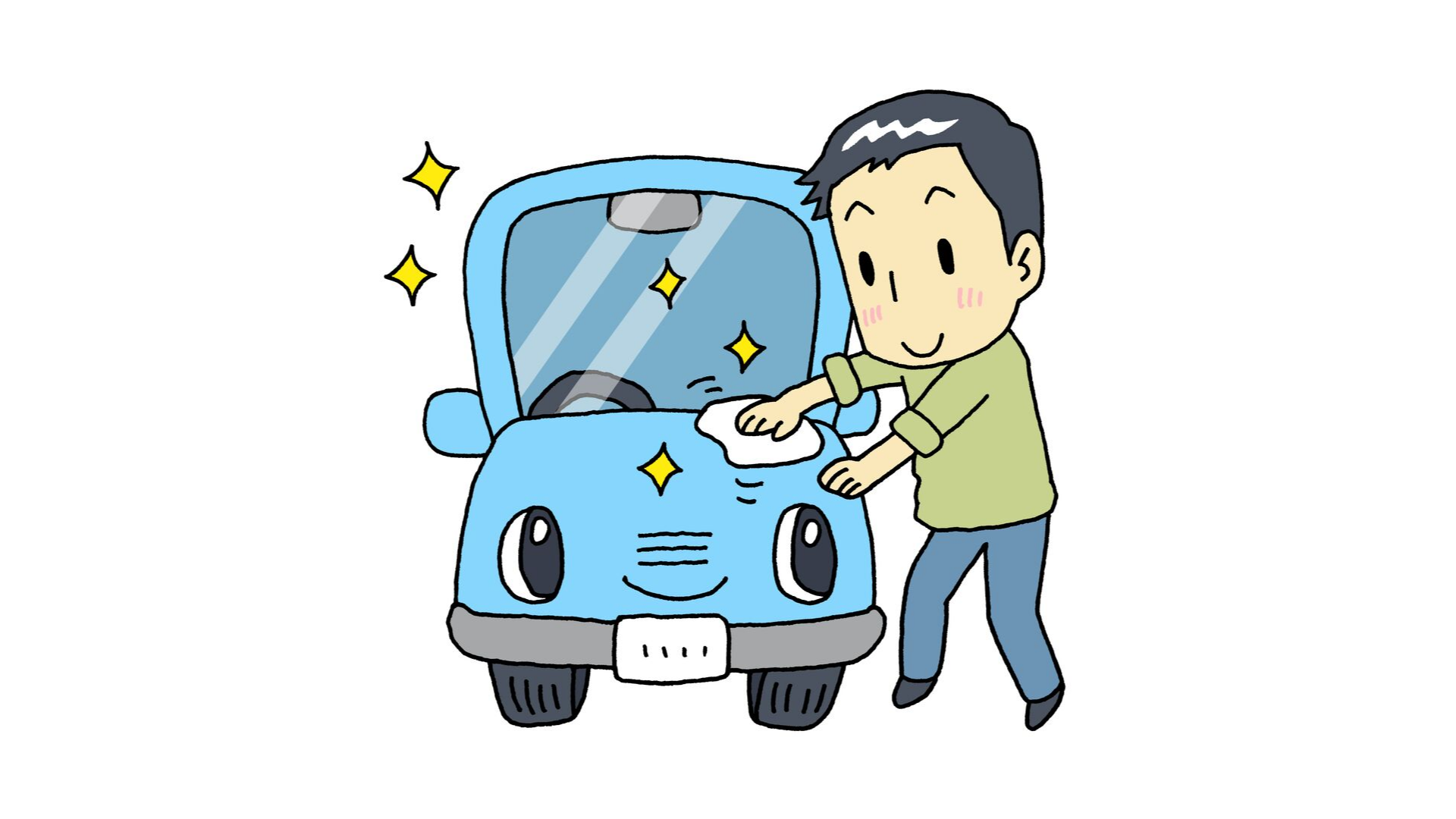
| 4. | Do you like to skate at the park? |
| 5. | Tom and Bob are skating now. |
PART C_3
Now, let’s review some words and sentences from part C_2.
ではいくつかの単語、文章を復習してみましょう。
(Please review the mispronounced words and sentences from part C_2.)
PART C_4
PART D_1
We will read aloud the dialogue below. I will check your pronunciation and intonation.
会話文を読みます。講師が発音、イントネーションについて確認します。
(Please send the mispronounced words and expressions to your student.)
PART D_2
|
TUTOR:
|
Hi, Jane. What are you doing? |
|
STUDENT:
|
Hi, Mike. I am watching my favorite TV show. |
|
TUTOR:
|
I see. Where is Toshi? |
|
STUDENT:
|
He is cleaning the car with our father. By the way, do you like to skate at the park? Tom and Bob are skating now. |
|
TUTOR:
|
Yes, I like to skate. For sure we will have a good time! |
|
STUDENT:
|
That’s true. Let’s go! |
PART D_3
Now, let’s review some words and sentences from part D_2.
ではいくつかの単語、文章を復習してみましょう。
(Please review the mispronounced words and sentences from part D_2.)
PART D_4
PART E_1
Now, you will answer the questions below using the grammar topics you learned.
I will check if your sentences are complete and if the grammar is correct.
以下の質問に答えます。習った文法を使って回答しましょう。
講師は文法と完全な文章であるかを確認します。
(Please send the sentences that need grammar corrections to your student.)
PART E_2
| Is John cleaning his car? |
PART E_3
PART E_4
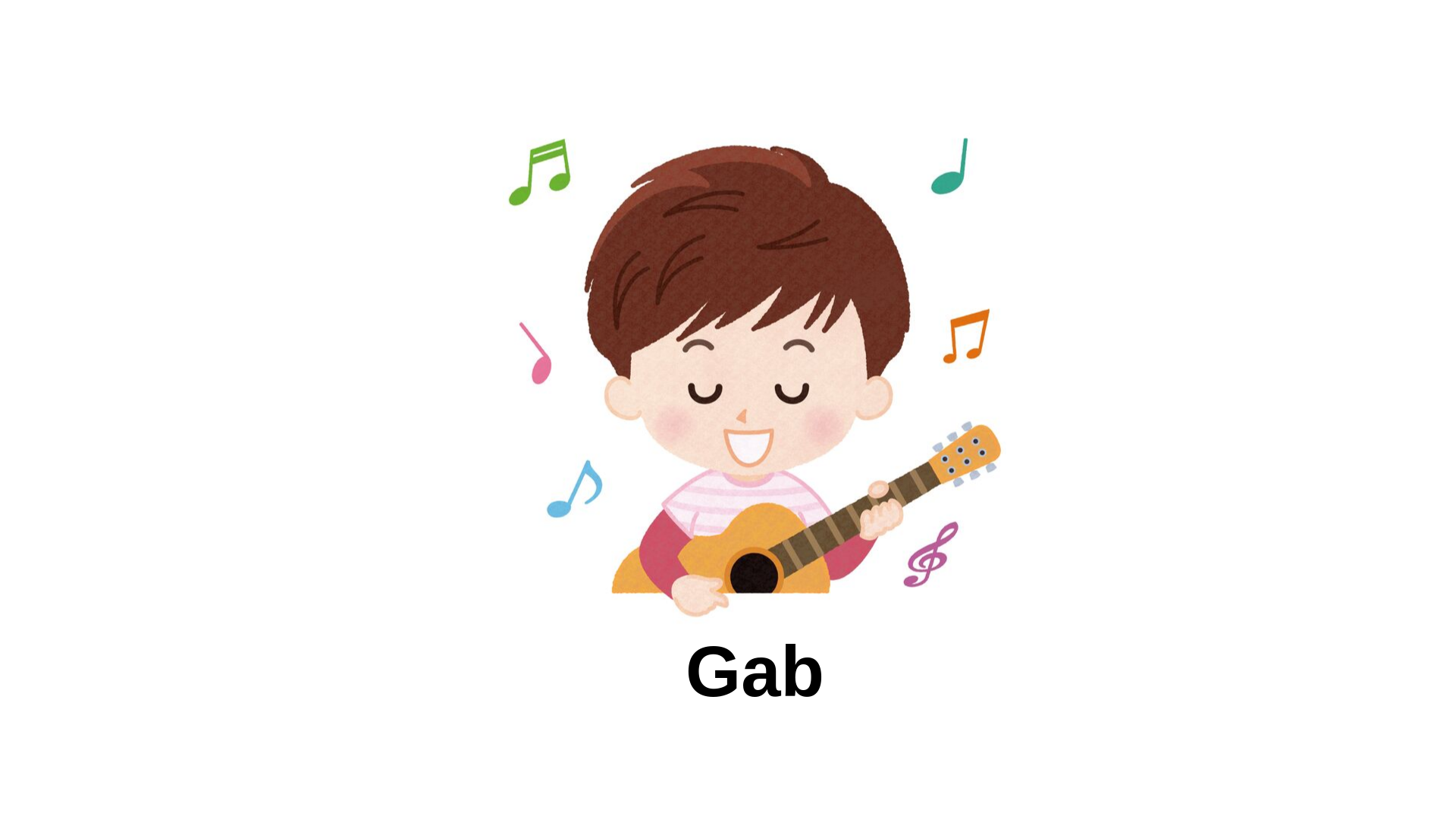
| Who belongs to the Music Club? |
PART E_5
PART E_6
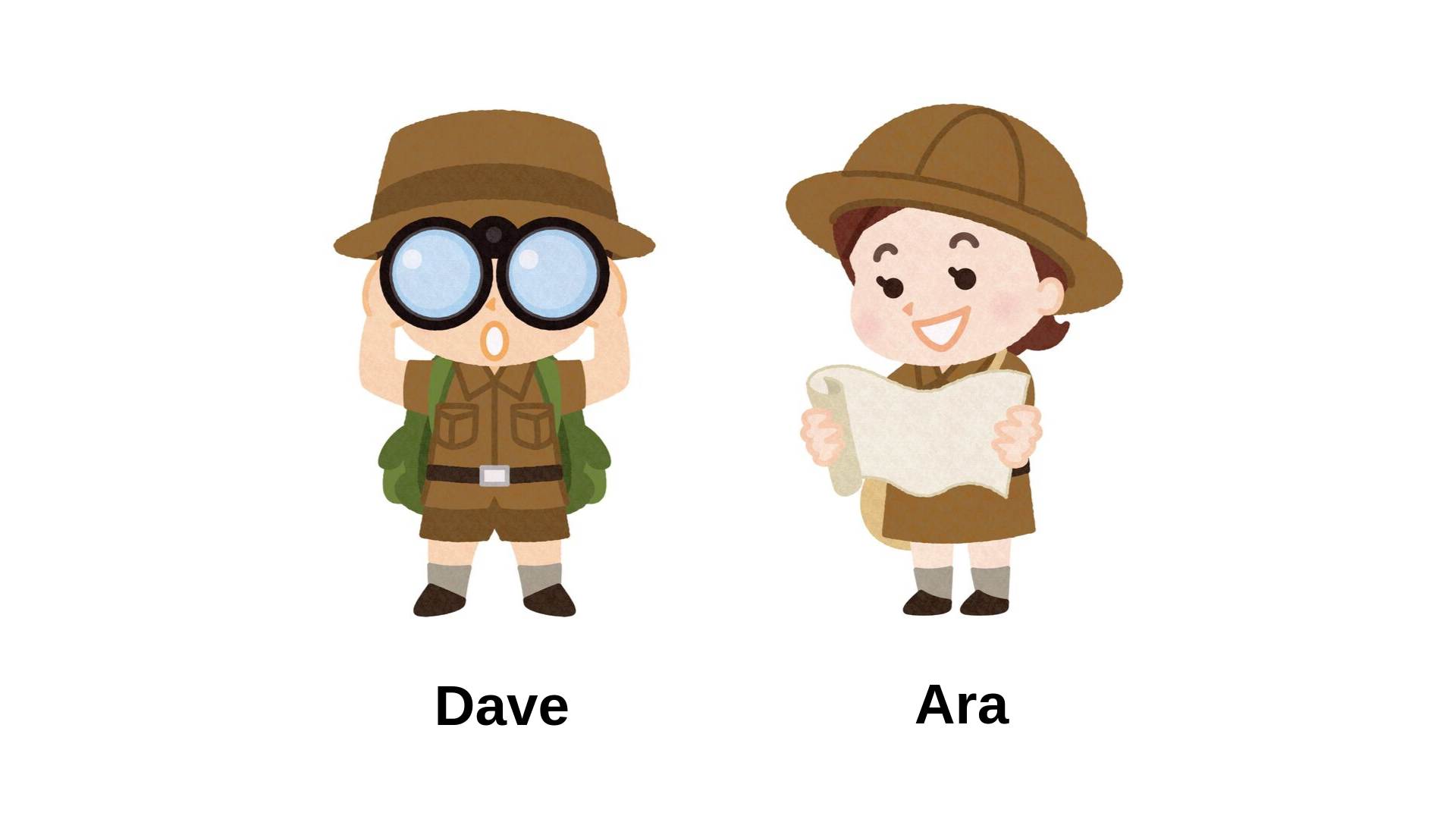
| Who is reading a map? |
PART E_7
PART E_8
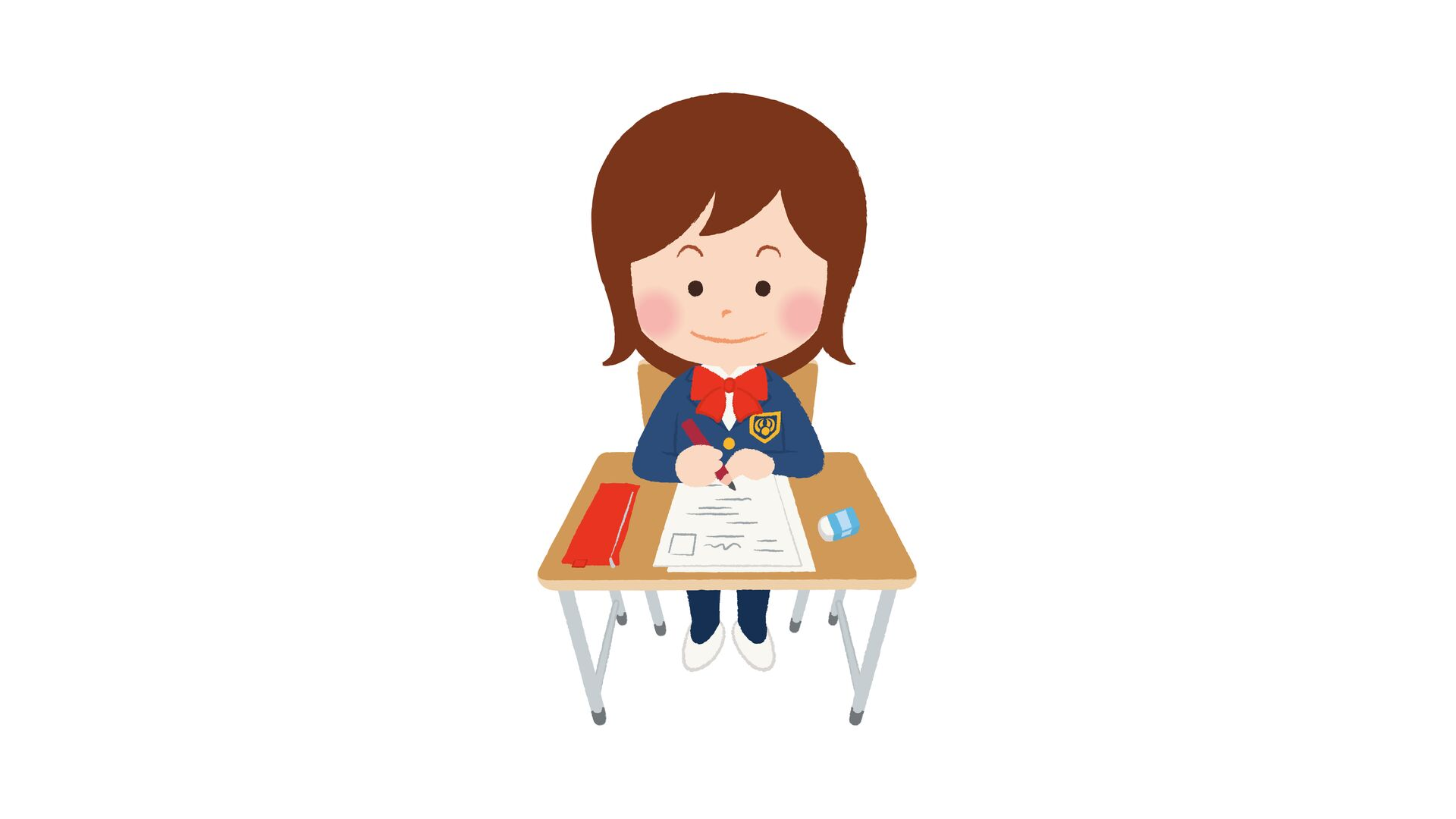
| What is Kara doing? |
PART E_9
PART E_10
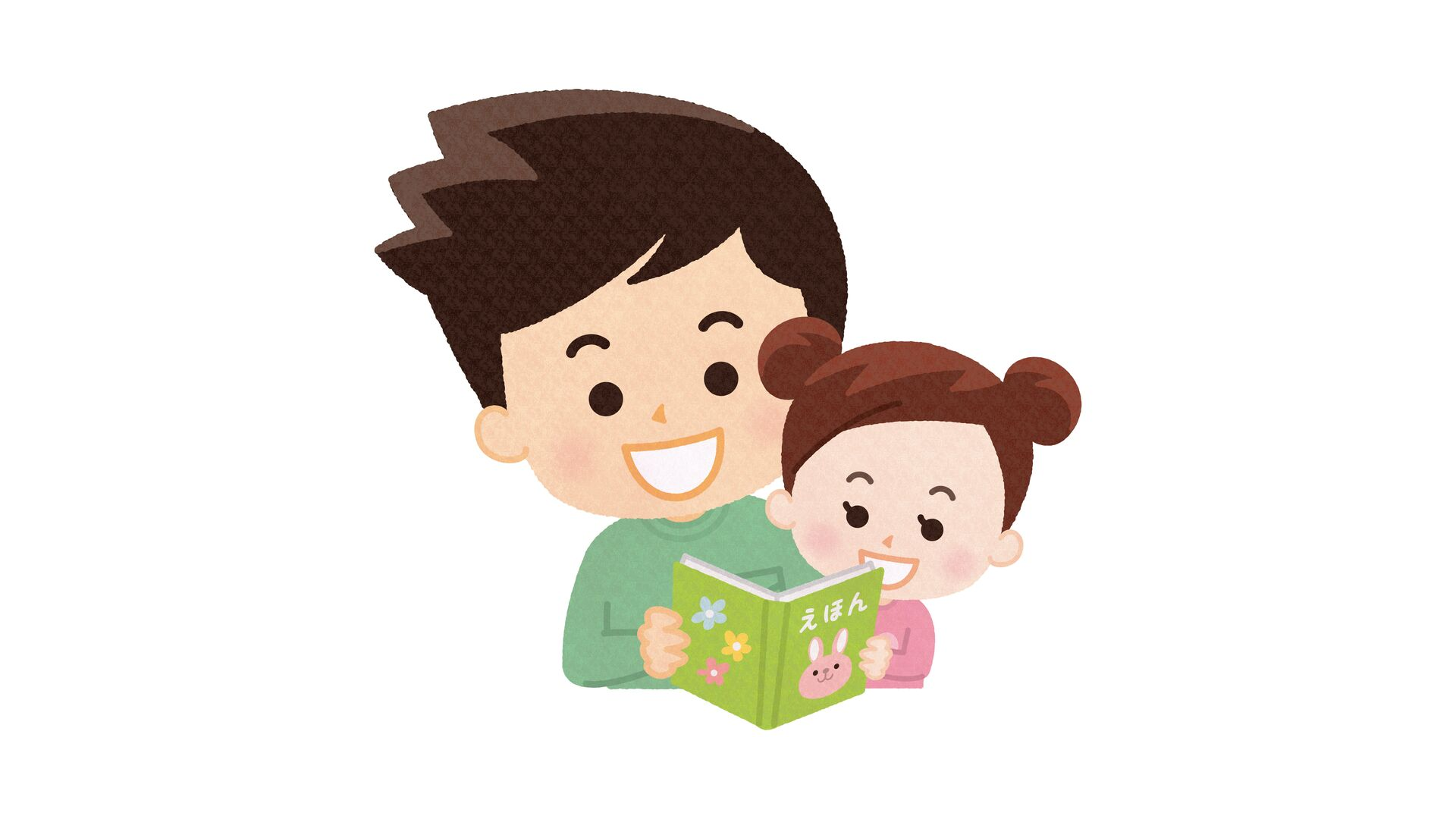
| Is the man reading his daughter the newspaper? |
PART E_11
PART E_12
| Who likes to read books? |
PART E_13
PART E_14
Now, let’s review your answers.
では、あなたの答えを復習してみましょう。その後、修正したあなたの答えを読んでみましょう。
(Please review your student’s answers by sending the correct answers in complete sentences. After that, ask your student to read aloud his or her corrected answers.)
PART E_15
PART F_1
Now, you will ask me questions. I will check if your sentences are complete and if the grammar is correct.
今度は、あなたが講師に質問します。習った文法を使って文を作りましょう。
講師は文法と完全な文章であるかを確認します。
(Please send the sentences that need grammar corrections to your student.)
PART F_2
| Student: | ? | |
| Tutor: | I belong to the English Club. | |
| Student: | ? | |
| Tutor: | Yes, I drink coffee every day. | |
| Student: | ? | |
| Tutor: | No, I don’t like chocolate cakes. | |
| Student: | ? | |
| Tutor: | Yes, I had a good time with my friends last night. | |
| Student: | ? | |
| Tutor: | Yes, my sister is studying Japanese. | |
| Student: | ? | |
| Tutor: | No, I don’t often read the newspaper. |
PART F_13
PART G_1
Let’s do a free talk about the following topic.
フリートークをしましょう。
(Please do a free talk if you have time left.)
PART G_2
What are you going to do after our class?
B_HS2α_review3
PART A_1
Let’s introduce ourselves to each other.
PART A_2
My name is ________________. What is your name?
PART A_3
I am ________________. Nice to meet you.
PART A_4
Nice to meet you too, ________________. What were you doing before our lesson?
PART A_5
PART A_6
I see. Now, let’s begin our lesson!
PART B_1
We will read aloud the words and expressions below. Please repeat after me.
I will check your pronunciation.
(Please send the mispronounced words and expressions to your student.)
PART B_2
|
painting
絵画
|
|
sculpture
彫刻
|
|
notice
気が付く
|
|
opinion
意見
|
|
history
歴史
|
PART B_3
Now, let’s review some words from part B_2.
(Please review the mispronounced words and expressions from part B_2.)
PART B_4
PART C_1
We will read aloud the sentences below. I will check your pronunciation and intonation.
(Please send the mispronounced words and expressions to your student.)
PART C_2
| 1. | People should visit museums because it does not only make people happy, but it also inspires people by observing the works of art such as paintings and sculptures. |
| 2. | Museum helps people learn more about history, culture, and arts. |
| 3. | You may see different historical collections in the museum. |
| 4. | I have noticed that people who usually visit museums are students or those who have a great interest in art. |
| 5. | I think some people do not like visiting museums because they do not appreciate and understand art. |
| 6. | In my opinion, museums should be more accessible so many people would be encouraged to visit. |
| 7. | We will learn more about the history and important events. |
| 8. | Although you may see historical items in history books, it feels so much better seeing them in person. |
PART C_3
Now, let’s review some words and expressions from part C_2.
(Please review the mispronounced words and expressions from part C_2.)
PART C_4
PART D_1
Let’s do a role play with the given situations. You should mention the items below during the conversation.
PART D_2
| Situation 1: |
You invited your brother/sister to visit a museum. Please tell him/her why it is important to visit a museum.
(Your tutor will pretend to be your brother/sister.)
|
| Items: |
– reason why people should visit a museum – things people would learn in a museum – best time to visit a museum |
PART D_3
| Situation 2: |
You are going to visit a museum during your school trip. Please tell your classmate about the trip.
(Your tutor will pretend to be your classmate.)
|
| Items: |
– things you can do in the museum – things you can see in the museum – how long will you stay in the museum |
PART D_4
| Situation 3: |
Your friend asks you why some people do not like visiting a museum. Please tell him/her your opinion.
(Your tutor will pretend to be your friend.)
|
| Items: |
– people who usually visit a museum – reason some people do not like visiting a museum – how to encourage more people to visit a museum |
PART D_5
| Situation 4: |
You invited your cousin to visit a historical museum. Please tell him/her about your trip.
(Your tutor will pretend to be your cousin.)
|
| Items: |
– when you will visit a museum – things s/he can learn in a historical museum – reason why you should visit a historical museum |
PART D_6
| Situation 5: |
You are working at a museum. Please show the tourists around by using the picture below.
(Your tutor will pretend to be one of the tourists.)
|
| Items: |
|
PART D_7
Now, let’s review your answers.
(Please review your student’s answers by sending the correct answers in complete sentences. After that, ask your student to read aloud his or her corrected answers.)
PART D_8
PART E_1
Let’s do a free talk.
(Please do a free talk if you have time left.)
PART E_2
Why are museums important?
PART E_3
英検準2級11 Eiken Pre2_template
PART A_1
First, I will ask you some questions about yourself. Please answer.
最初にあなたについて質問しますので、答えましょう。
PART A_2
| 1. | May I have your name, please? |
| Answer: | |
| 2. | This lesson is for Eiken grade pre-2. Are you ready? |
| Answer: | |
| 3. | (question about student) |
| Answer: |
PART B_1
You will read the passage silently for 20 seconds. Then, please read the passage aloud starting from the title.
20秒で文章を黙読します。そのあと、タイトルから音読してください。
(Please send the mispronounced words and expressions to your student.)
PART B_2
(Title)
(passage)
PART B_3
Now, let’s review some words and expressions from part B_2.
ではいくつかの単語と文章を復習してみましょう。
(Please review the mispronounced words and expressions from part B_2.)
PART B_4
PART C_1
We’ll read aloud the following words. Please repeat after me. I will check your pronunciation.
単語を音読します。講師に続いて読みましょう。講師は発音を確認します。
(Please send the mispronounced words and expressions to your student.)
PART C_2
| (word) |
JP
|
| (word) |
JP
|
| (word) |
JP
|
| (word) |
JP
|
| (word) |
JP
|
PART C_3
Now, let’s review some words from part C_2.
ではいくつかの単語を復習してみましょう。
(Please review the mispronounced words and expressions from part C_2.)
PART C_4
PART D_1
We’ll read aloud the following sentences. Please repeat after me. I will check your intonation.
文章を音読します。講師に続いて読みましょう。講師はイントネーションを確認します。
PART D_2
| 1. | (sentence 1 in passage) |
| 2. | (sentence 2 in passage) |
| 3. | (sentence 3 in passage) |
| 4. | (sentence 4 in passage) |
PART D_3
Now, let’s review some sentences from part D_2.
ではいくつかの文章を復習してみましょう。
(Please review the sentences that need improvements in intonation from part D_2.)
PART D_4
PART E_1
Now, please read aloud the passage again.
では、もう一度文章を音読しましょう。
PART E_2
(Title)
(passage)
PART E_3
I will ask you a question. Please answer based on the passage.
講師が質問をします。文章をもとに答えてみましょう。
PART E_4
| Question: | According to the passage, (question) |
| Answer: |
PART E_5
Now, let’s review your answer. Then, please read it aloud.
ではあなたの答えを復習してみましょう。その後、音読しましょう。
(Please review your student’s answers by sending the correct answers in complete sentences. After that, ask your student to read aloud his or her corrected answers.)
PART E_6
PART F_1
Please look at the picture below. Tell me as much as you can about what they are doing. You have 20 seconds to prepare before answering.
下記のイラストを見てください。彼らが何をしているかできるだけ多く教えてください。回答の前に20秒の準備時間があります。
PART F_2
*insert comics*
| A man is | . | |
| A man is | . | |
| A man is | . | |
| A woman is | . | |
| A woman is | . |
PART F_3
Now, let’s review your answers.
ではあなたの答えを復習してみましょう。
(Please review your student’s answers by sending the correct answers in complete sentences. After that, ask your student to read aloud his or her corrected answers.)
PART F_4
PART F_5
Please look at the picture below. Then, please answer the questions based on the picture.
下記のイラストを見てください。 イラストをもとに質問に答えましょう。
PART F_6
*insert comics*
| 1. | (question)? | |
| Answer: | . | |
| 2. | (question)? | |
| Answer: | . |
PART F_7
Now, let’s review your answer.
ではあなたの答えを復習してみましょう。
(Please review your student’s answers by sending the correct answers in complete sentences. After that, ask your student to read aloud his or her corrected answers.)
PART F_8
PART F_9
Now, please look at the picture below and describe the situation.
ではイラストの状況を説明しましょう。
PART F_10
*insert comics*
| Answer: | . |
PART F_11
Now, let’s review your answer.
ではあなたの答えを復習してみましょう。
(Please review your student’s answers by sending the correct answers in complete sentences. After that, ask your student to read aloud his or her corrected answers.)
PART F_12
PART G_1
Let’s study the example below. I will read the sample question, and you will read the sample answers.
下の例を見てみましょう。講師がサンプルの質問を読むので、あなたはサンプルの答えを読みましょう。
PART G_2
|
Sample Question:
|
Do you think students should bring their smartphones to school? If yes, please tell me more. If no, why not? |
|
Sample Answers:
|
Yes, I do. It is because there are times when they need to talk to their parents. In this way, parents can also make sure that their children are safe. No, I don’t. It is because they might use their smartphones during class time. They might not listen to their teachers and get lower grades because of this. |
PART G_3
Now, I will ask you questions. I will check if your sentences are complete and if the grammar is correct.
講師が質問をしますので、自分の考えをもとに答えましょう。講師は文法と完全な文章であるかを確認します。
PART G_4
| 1. | Do you think (question) |
| Answer: | |
| 2. |
If yes, please tell me more. If no, why not? |
| Answer: |
PART G_5
Now, let’s review your answer. After that, please read aloud your corrected answer.
ではあなたの答えを復習してみましょう。その後、修正したあなたの答えを読んでみましょう。
(Please review your student’s answers by sending the correct answers in complete sentences. After that, ask your student to read aloud his or her corrected answers.)
PART G_6
PART H_1
Let’s study the example below. I will read the sample question, and you will read the sample answers.
下の例を見てみましょう。講師がサンプルの質問を読むので、あなたはサンプルの答えを読みましょう。
PART H_2
|
Sample Question:
|
Today, many people use computers almost every day. Do you often use a computer? |
|
If yes, please tell me more. If no, why not? |
|
|
Sample Answers:
|
Yes, I do. I often use my computer for studying. I usually use it when I am doing my homework. No, I don’t. It is because I don’t have much time to use my computer. I often go out to do my hobbies such as playing basketball and cycling. |
PART H_3
Now, I will ask you questions. I will check if your sentences are complete and if the grammar is correct.
講師が質問をしますので、自分の考えをもとに答えましょう。講師は文法と完全な文章であるかを確認します。
PART H_4
| 1. | (sentence) Do you (question) |
| Answer: |
| 2. |
If yes, please tell me more. If no, why not? |
| Answer: |
PART H_5
Now, let’s review your answer. After that, please read aloud your corrected answer.
ではあなたの答えを復習してみましょう。その後、修正したあなたの答えを読んでみましょう。
(Please review your student’s answers by sending the correct answers in complete sentences. After that, ask your student to state his or her corrected answer.)
PART H_6
PART I_1
Now, let’s do a free talk about the following topics.
以下のトピックについてフリートークをしましょう。
(Please do a free talk if you have time left.)
PART I_2
(free talk question 1)
(free talk question 2)
PART I_3
英検2級14 Eiken 2_template
PART A_1
First, I will ask you some questions about yourself. Please answer.
最初にあなたについて質問しますので、答えましょう。
PART A_2
| 1. | May I have your name, please? |
| Answer: | |
| 2. | This lesson is for Eiken grade 2. Are you ready? |
| Answer: | |
| 3. | (Question about student) |
| Answer: |
PART B_1
You will read aloud the passage. Please make sure to start from the title.
文章を読みましょう。タイトルから読み始めてください。
(Please send the mispronounced words and expressions to your student.)
PART B_2
(Title)
(passage)
PART B_3
Now, let’s review some words and sentences from part B_2.
ではいくつかの単語と文章を復習してみましょう。
(Please review the mispronounced words and expressions part B_2.)
PART B_4
PART C_1
We’ll read aloud the following words. Please repeat after me. I will check your pronunciation.
単語を音読します。講師に続いて読みましょう。講師は発音を確認します。
(Please send the mispronounced words and expressions to your student.)
PART C_2
| (word) |
JP
|
| (word) |
JP
|
| (word) |
JP
|
| (word) |
JP
|
| (word) |
JP
|
PART C_3
Now, let’s review some words from part C_2.
ではいくつかの単語を復習してみましょう。
(Please review the mispronounced words and expressions from part C_2.)
PART C_4
PART D_1
We’ll read aloud the following sentences. Please repeat after me. I will check your intonation.
文章を音読します。講師に続いて読みましょう。講師はイントネーションを確認します。
PART D_2
| 1. | (sentence 1 from passage) |
| 2. | (sentence 2 from passage) |
| 3. | (sentence 3 from passage) |
| 4. | (sentence 4 from passage) |
| 5. | (sentence 5 from passage) |
PART D_3
Now, let’s review some sentences from part D_2.
ではいくつかの文章を復習してみましょう。
(Please review the sentences that need improvements in intonation from part D_2.)
PART D_4
PART E_1
Now, please read aloud the sentences again.
では、もう一度文章を音読しましょう。
PART E_2
(Title)
(passage)
PART E_3
I will ask you a question. Please answer based on the passage.
講師が質問をします。文章をもとに答えてみましょう。
PART E_4
| Question: | According to the passage, (question) | |
| Answer: | . |
PART E_5
Now, let’s review your answer.
ではあなたの答えを復習してみましょう。
(Please review your student’s answers by sending the correct answers in complete sentences. You may also give tips.)
PART E_6
PART F_1
Please look at the pictures below. Then, please answer the questions based on the pictures.
下記のイラストを見てください。講師が質問をします。
PART F_2
*insert comics*
| 1. | In the 1st picture, (question)? |
| Answer: | |
| 2. | In the 2nd picture, (question)? |
| Answer: | |
| 3. | In the 2nd picture, (question)? |
| Answer: | |
| 4. | In the 3rd picture, (question)? |
| Answer: | |
| 5. | In the 3rd picture, (question)? |
| Answer: |
PART F_3
Now, let’s review your answers.
ではあなたの答えを復習してみましょう。
(Please review your student’s answers by sending the correct answers in complete sentences. You may also give tips.)
PART F_4
PART F_5
Now, you will connect each sentence to tell a story.
Your story should start with
“One day, Aiki was talking to Riku about their plans for the school festival.”
Your story should start with
“One day, Aiki was talking to Riku about their plans for the school festival.”
それぞれの文章を繫げて、ストーリーを話しましょう。回答は、
“One day, Aiki was talking to Riku about their plans for the school festival.” から始めてください。
(Please review your student’s answers by sending the correct answers in complete sentences. You may also give tips.)
PART F_6
*insert comics*
| One day, (story). | ||
| . | ||
| (transition), | . | |
| . | ||
| (transition), | . | |
| . |
PART F_7
Now, let’s review your answers.
ではあなたの答えを復習してみましょう。
(Please review your student’s answers by sending the correct answers in complete sentences. You may also give tips.)
PART F_8
PART G_1
Let’s study the example below. I will read the sample question, and you will read the sample answer.
下の例を見てみましょう。講師がサンプルの質問を読むので、あなたはサンプルの答えを読みましょう。
PART G_2
|
Sample Question:
|
Some people say that animals should not be sold at pet shops. What do you think about that? |
|
Sample Answer:
|
I agree. Some people do not take care of their pets well. Animals should not be easily available at pet shops for just anyone who wants to have a pet. |
PART G_3
Express your opinions on the following topics. You will be asked to give two answers. Your first answer should start with “I agree”. Your second answer should start with “I disagree”.
Now, please give your first answer starting with “I agree.” Give at least one reason to support your opinion.
賛成、反対両方の意見を表現してみましょう。まずは1つ以上の理由をつけて、賛成意見を述べましょう。
回答は「I agree.」で始めてください。
PART G_4
|
Some people say that (~~) What do you think about that? |
|
| I agree. |
PART G_5
Now, let’s review your answer.
では、あなたの答えを復習してみましょう。その後、修正したあなたの答えを読んでみましょう。
(Please review your student’s answers by sending the correct answers in complete sentences. After that, ask your student to read aloud his or her corrected answers.)
PART G_6
PART G_7
Now, try to express your opinion in the opposite situation. Give at least one reason to support your opinion. Your answer should start with “I disagree.”
次に反対の立場になって意見を表現しましょう。回答は「I disagree.」で始め、1つ以上の理由を述べてください。
PART G_8
|
Some people say that (~~) What do you think about that? |
|
| I disagree. |
PART G_9
Now, let’s review your answer.
では、あなたの答えを復習してみましょう。その後、修正したあなたの答えを読んでみましょう。
(Please review your student’s answers by sending the correct answers in complete sentences. After that, ask your student to read aloud his or her corrected answers.)
PART G_10
PART H_1
Let’s study the example below. I will read the sample question, and you will read the sample answer.
下の例を見てみましょう。講師がサンプルの質問を読むので、あなたはサンプルの答えを読みましょう。
PART H_2
|
Sample Question:
|
These days, many people prefer to study abroad. Do you think this is a good idea? |
|
Sample Answer:
|
Yes. By studying abroad, students can have more universities to choose from. In this way, they can choose the best university that offers the study program they are interested in. |
PART H_3
Express your opinions on the following topics. You will be asked to give two answers. Your first answer should start with “Yes”. Your second answer should start with “No”.
Now, please give your first answer starting with “Yes”. Give at least one reason to support your opinion.
賛成、反対両方の意見を表現してみましょう。まずは1つ以上の理由をつけて、賛成意見を述べましょう。
回答は「Yes.」で始めてください。
回答は「Yes.」で始めてください。
PART H_4
|
These days, (~~) Do you think this is a good idea? |
|
| Yes. |
PART H_5
Now, let’s review your answer.
では、あなたの答えを復習してみましょう。その後、修正したあなたの答えを読んでみましょう。
(Please review your student’s answers by sending the correct answers in complete sentences. After that, ask your student to read aloud his or her corrected answers.)
PART H_6
PART H_7
Now, try to express your opinion in the opposite situation. Give at least one reason to support your opinion. Your answer should start with “No”.
次に反対の立場になって意見を表現しましょう。回答は「No」で始め、1つ以上の理由を述べてください。
PART H_8
|
These days, (~~) Do you think this is a good idea? |
|
| No. |
PART H_9
Now, let’s review your answer.
では、あなたの答えを復習してみましょう。その後、修正したあなたの答えを読んでみましょう。
(Please review your student’s answers by sending the correct answers in complete sentences. After that, ask your student to read aloud his or her corrected answers.)
PART H_10
PART I_1
Now, let’s do a free talk about the following topics.
以下のトピックについてフリートークをしましょう。
(Please do a free talk if you have time left.)
PART I_2
(free talk question 1)
(free talk question 2)
PART I_3