


In this lesson, you will give a presentation about a Japanese recipe.
Then, I will ask questions and give feedback after your presentation.
このレッスンでは、用意したレシピについて話しましょう。
その後、講師が質問とフィードバックをします。
(Please start your presentation now.)
プレゼンテーションを始めてください。

Thank you for your presentation.
Let me ask you some questions about it.
| 1. | |
| 2. | |
| 3. |
Now, I will give feedback on your presentation.
Now, I will talk about a Filipino recipe . Please ask me questions about it later.
今度は講師がフィリピン料理のレシピを紹介します。
講師のプレゼンテーションが終わったら、講師に質問してください。
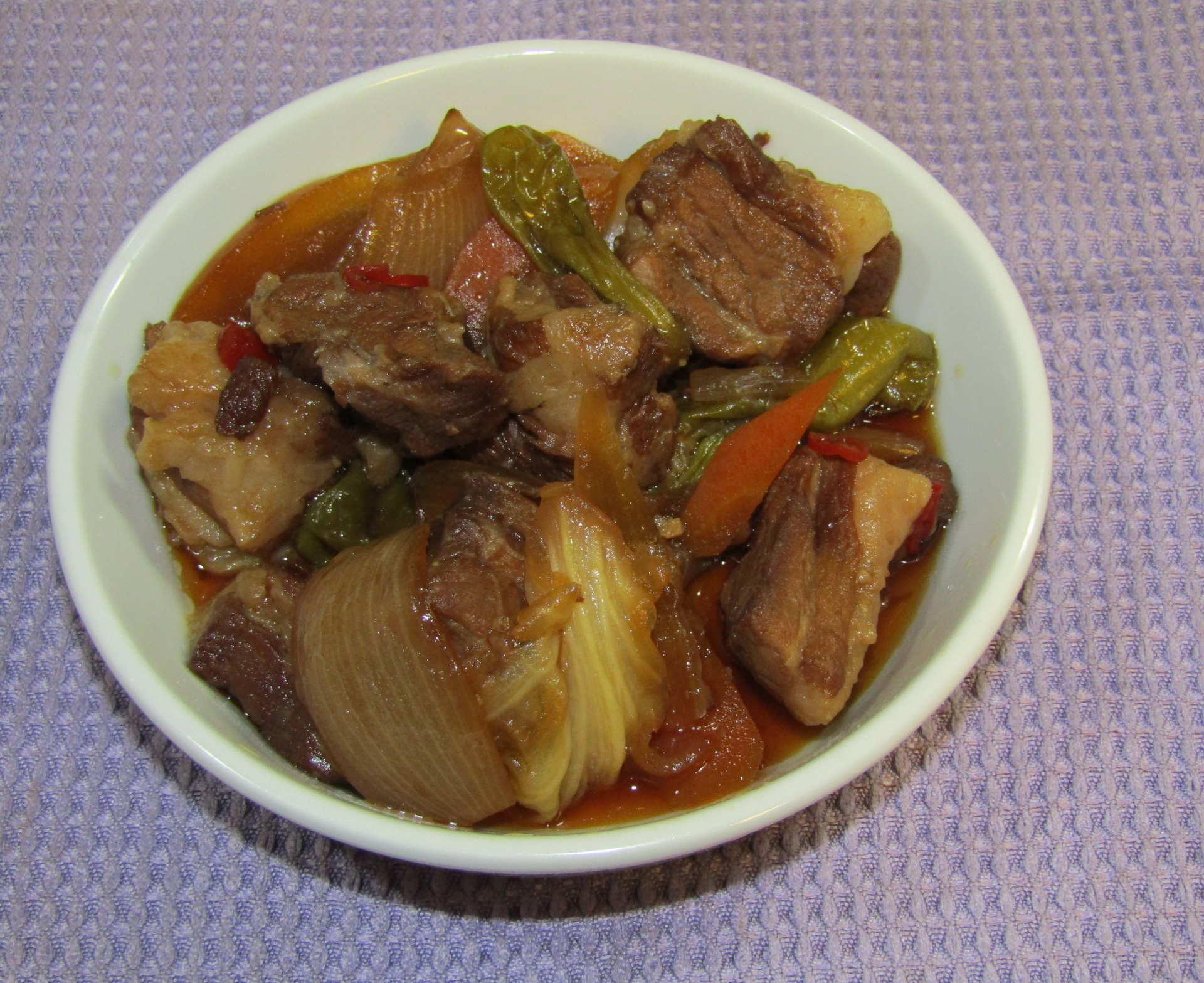
Adobo
Adobo is a popular Filipino dish that has a sweet and salty taste. To cook a 4-serving adobo, you need to prepare 1 kilogram of meat and cut it into pieces. You can use either chicken or pork or you can mix them together. The other ingredients are 1 head of crushed garlic, 1/2 cup of soy sauce, 1 cup of vinegar, 1 teaspoon of salt, 1/2 teaspoon of pepper, 1/2 teaspoon of sugar, and 1 cup of water. After preparing all the ingredients, stir-fry the garlic in a pot until it is golden brown then add the meat. Add vinegar, soy sauce, and water and simmer for 10 to 15 minutes or until the meat is tender. Lastly, add salt, pepper, and sugar to make it tastier.
Do you have any questions about my presentation?
Thank you for your presentation.
Please let me ask you some questions about it.
| 1. | |
| 2. | |
| 3. |
[TOEFL] Task 5_Practice 2_2
|
Female:
|
There will be a power interruption in our area later at 6 PM until 12 midnight. I have a deadline to meet tomorrow morning. I might not be able to do it because of that. |
|
Male:
|
I have seen that announcement on the internet earlier. |
|
Female:
|
I really don’t know what to do. It is stressing me out. That project is worth 50 percent of our grades. |
|
Male:
|
Why don’t you do your project in the library? |
|
Female:
|
I can’t. The library is open until 7 PM only. My class will end at 5 PM. I don’t think it’s possible to finish it for 2 hours. |
|
Male:
|
Then, maybe you can go to the coffee shop. I usually study there. |
|
Female:
|
Isn’t it too noisy there? I can’t concentrate if the place is too noisy. |
|
Male:
|
Not really. Most of their customers are students who are studying. Also, they have sockets so you can charge your laptop, and you can also use their internet for free. |
|
Female:
|
I think that would be too expensive for me. I am trying to save money for our school trip. Anyway, thanks for your suggestions. |
| 1. | What is the female student and the male student doing? |
| 2. | What is the problem? |
| 3. | What is the male student’s first solution? |
| 4. | What is the male student’s second solution? |
| 5. | Which solution do you agree with? |
| 1. | The female student and the male student | |||
| 2. | The problem is that | |||
| 3. | The male student offers two solutions to solve her problem. | |||
| His first solution is | ||||
| 4. | His second solution is | |||
| 5. | I agree with | because |
| 1. | What is the female student and the male student doing? |
|
The female and male students are talking about a problem the female student has.
|
|
| 2. | What is the problem? |
|
The problem is that there will be a power interruption in female student’s area. She has a deadline to meet tomorrow. She said that she might not be able to do it because of that.
|
|
| 3. | What is the male student’s first solution? |
|
The male student offered two solutions to solve her problem.
His first solution is to do her project in the library. |
|
| 4. | What is the male student’s second solution? |
|
His second solution is to go to the coffee shop where he usually studies. He mentioned that they have sockets so customers can charge their laptops, and she can use their internet for free.
|
|
| 5. | Which solution do you agree with? |
|
I agree with the second solution because I think it is more practical. Studying in the library might affect the quality of her work since she has limited time to stay. Unlike in the coffee shop, she can work at her own pace. She does not need to pressure herself to finish her project as soon as she can.
|
Eiken Pre 2_0 (TEMPLATE)
Read the passage silently for 20 seconds. Then, read the passage aloud in 1 minute starting from the title.
Title
Passage
Please look at the passage.
According to the passage, (question)?
Please study the picture below.
Please look at picture A.
They are doing different things. Tell me as much as you can about what they are doing. Please describe the picture using 5 actions.
| 1. | |
| 2. | |
| 3. | |
| 4. | |
| 5. |
Please study the picture below.
Now, please look at the (wo/man) in picture B.
Please describe the situation.
Do you (question)?
If yes → Please tell me more.
If no → Why not?
Nowadays/These days/Today, (topic).
Do you (question)?
If yes → Please tell me more.
If no → Why not?
Eiken Pre 2_15
Read the passage silently for 20 seconds. Then, read the passage aloud in 1 minute starting from the title.
Eating breakfast
Breakfast is the most important meal of the day. However, many people do not eat breakfast every day. Breakfast helps people get ready for the day. It makes their bodies stronger, so people should always eat breakfast. Cereals, yogurt, bread, and fruits are some examples of foods for a healthy breakfast.
Please look at the passage.
According to the passage, why should people always eat breakfast?
Please study the picture below.
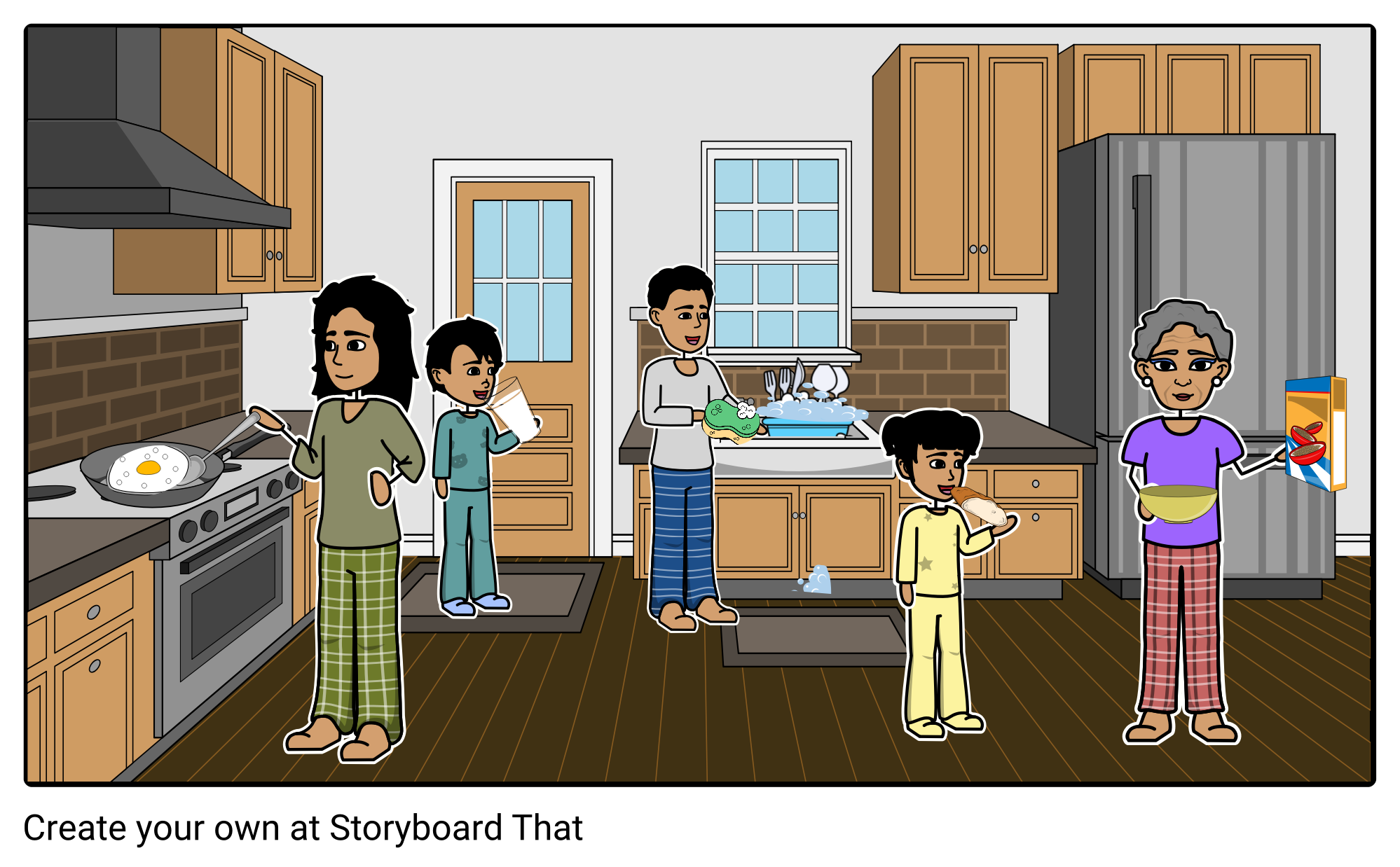
Please look at picture A.
They are doing different things. Tell me as much as you can about what they are doing. Please describe the picture using 5 actions.
| 1. | |
| 2. | |
| 3. | |
| 4. | |
| 5. |
Please study the picture below.
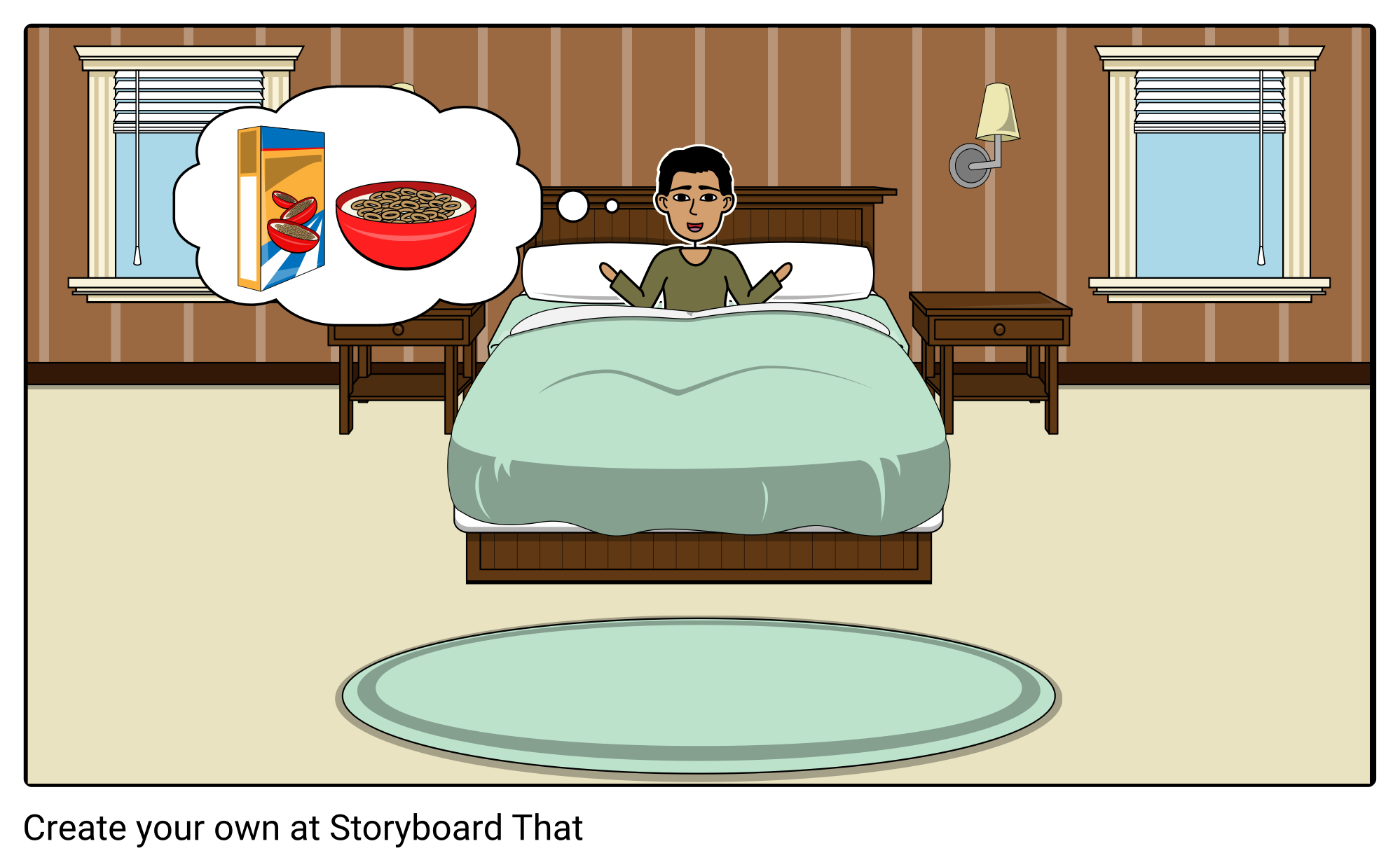
Now, please look at the man in picture B.
Please describe the situation.
Do you think people should eat rice for breakfast?
If yes → Please tell me more.
If no → Why not?
Nowadays, many people drink more than 1 cup of coffee every day.
Do you drink coffee every day?
If yes → Please tell me more.
If no → Why not?
Eiken Pre 2_14
Read the passage silently for 20 seconds. Then, read the passage aloud in 1 minute starting from the title.
Reading books
Reading books is one of the most popular hobbies all over the world. People can read books anytime. They can even read books online using their mobile phones and computers. Reading books is fun and helps people learn more about different things, so a lot of people love to read books.
Please look at the passage.
According to the passage, why do a lot of people love to read books?
Please study the picture below.
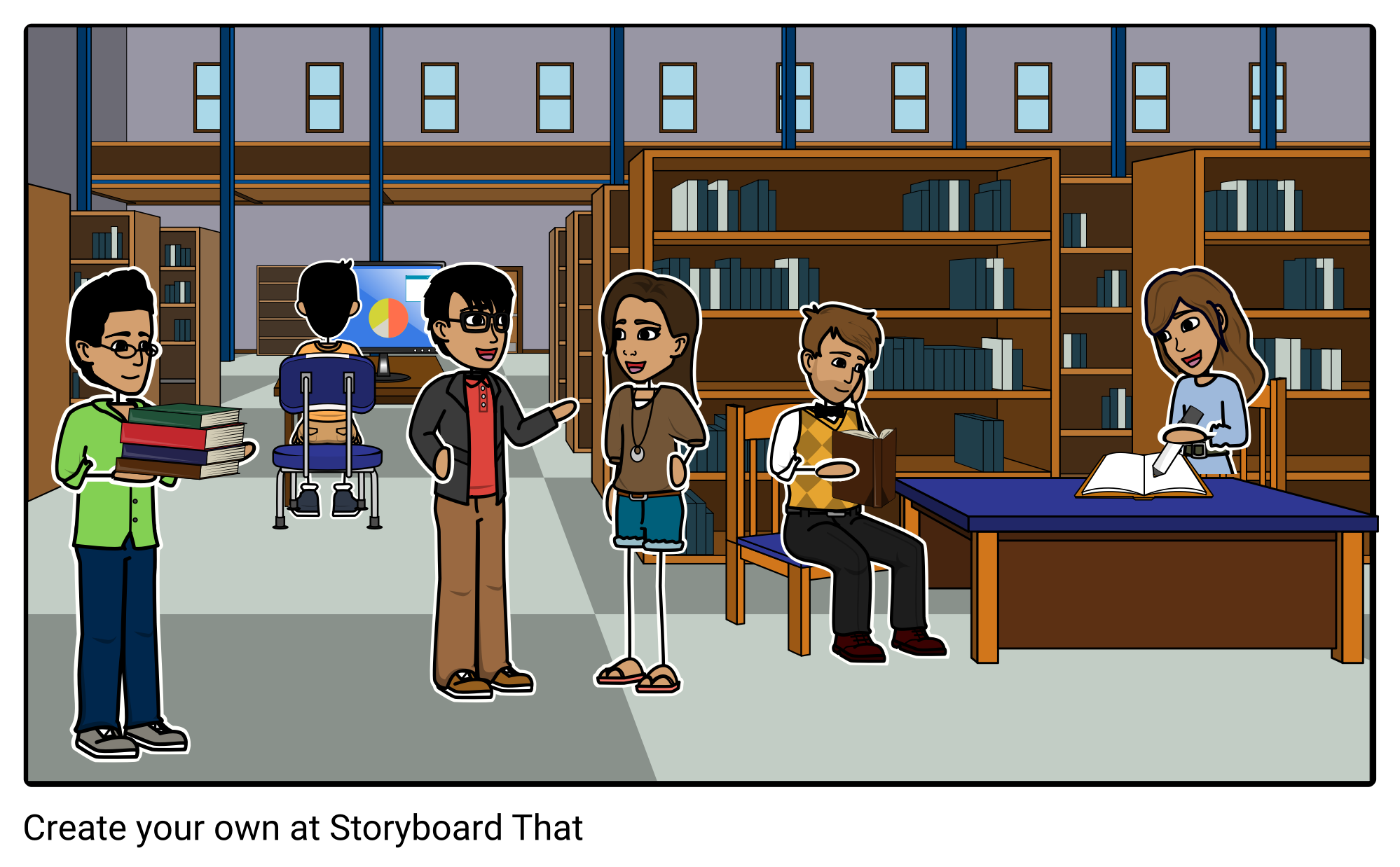
Please look at picture A.
They are doing different things. Tell me as much as you can about what they are doing. Please describe the picture using 5 actions.
| 1. | |
| 2. | |
| 3. | |
| 4. | |
| 5. |
Please study the picture below.
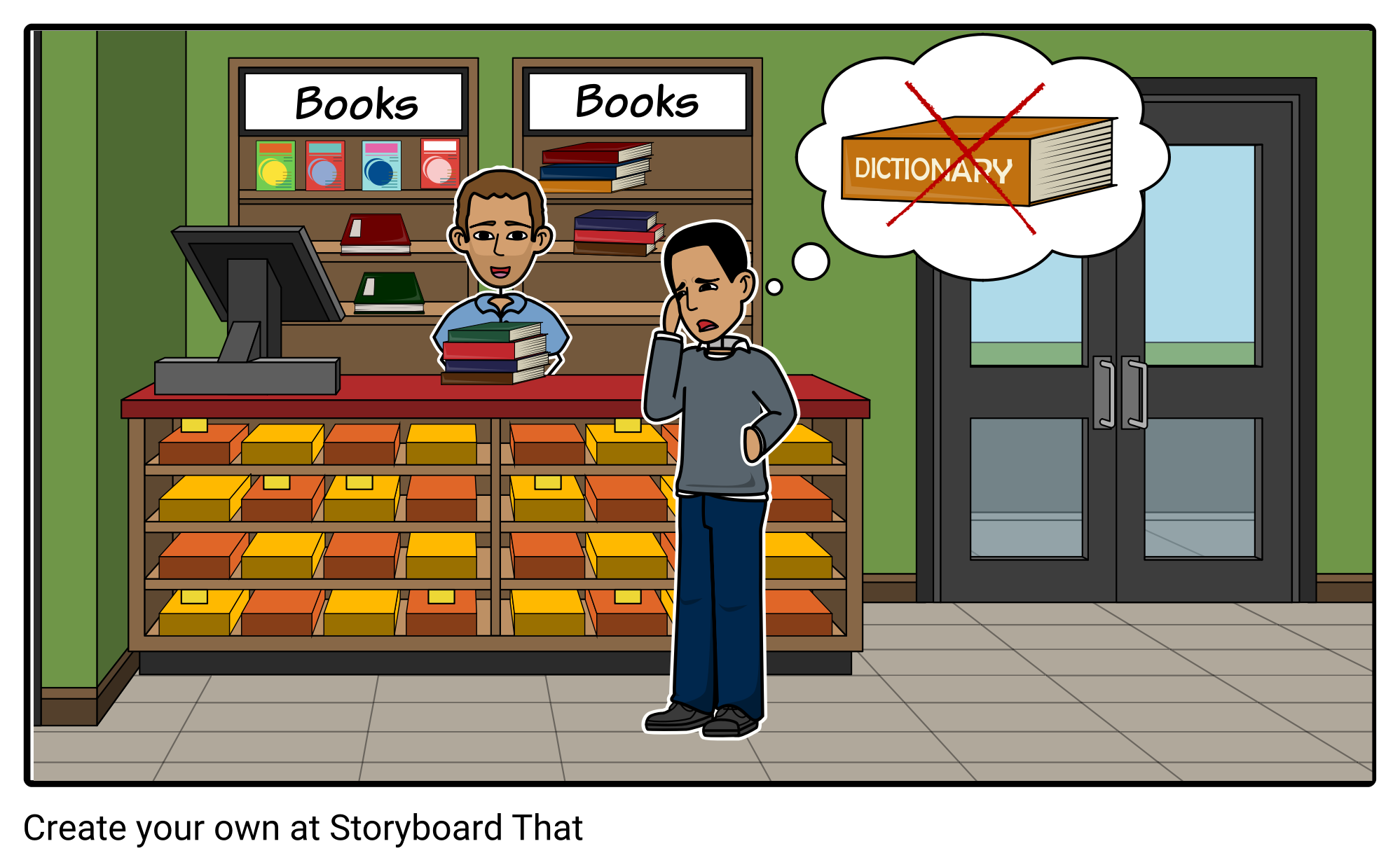
Now, please look at the man in picture B.
Please describe the situation.
Do you think it is better to read books on mobile phones?
If yes → Please tell me more.
If no → Why not?
These days, many students choose to search online when doing their homework instead of going to the library.
Do you search online when you do your homework?
If yes → Please tell me more.
If no → Why not?
Eiken Pre 2_13
Read the passage silently for 20 seconds. Then, read the passage aloud in 1 minute starting from the title.
Healthy Body
Nowadays, a lot of people want to have a healthy life. There are a lot of ways to do this. One of them is by having a healthy meal plan. People should eat fruits and vegetables and drink eight glasses of water every day, so they can keep their bodies healthy.
Please look at the passage.
According to the passage, how can people keep their bodies healthy?
Please study the picture below.
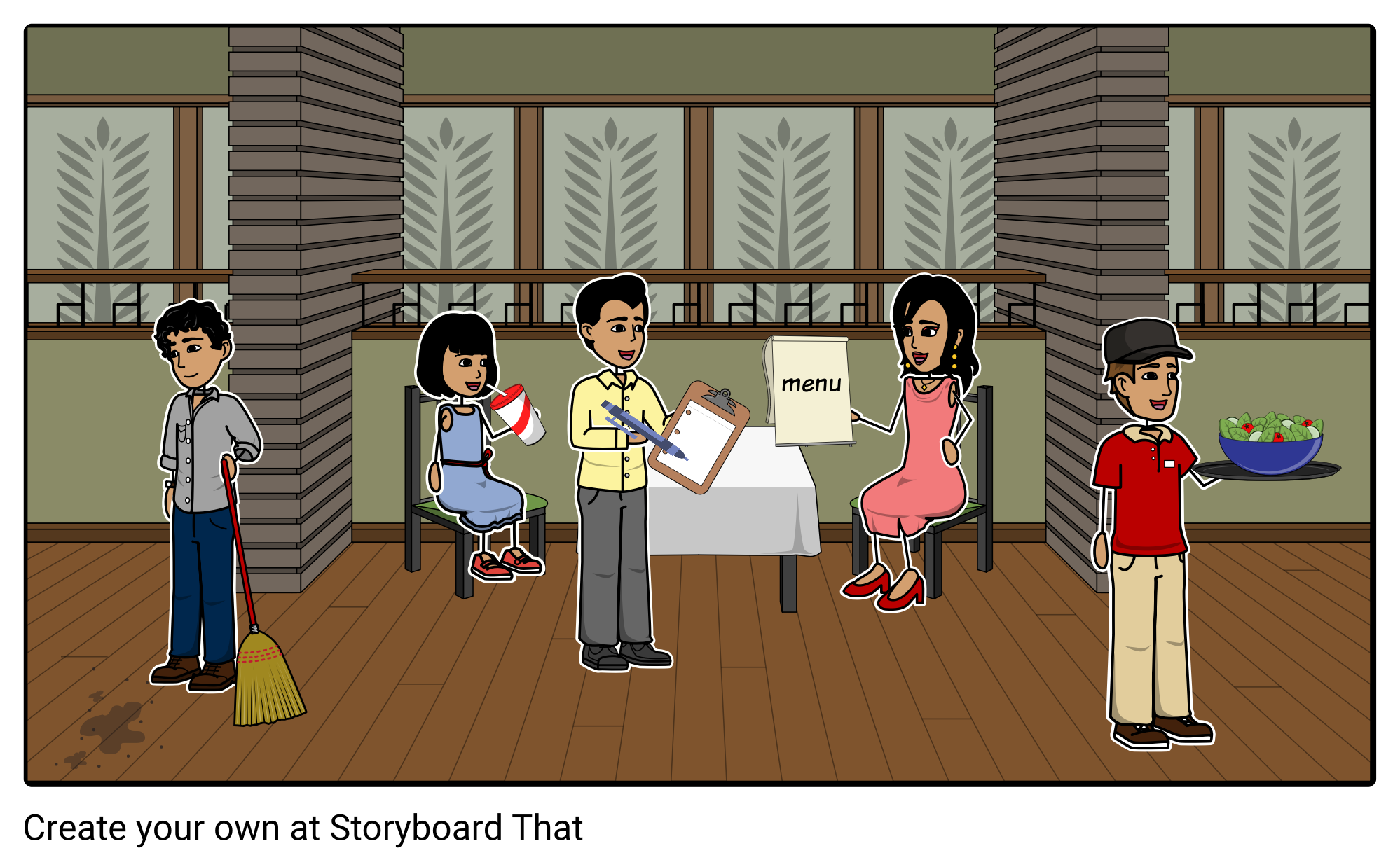
Please look at picture A.
They are doing different things. Tell me as much as you can about what they are doing. Please describe the picture using 5 actions.
| 1. | |
| 2. | |
| 3. | |
| 4. | |
| 5. |
Please study the picture below.
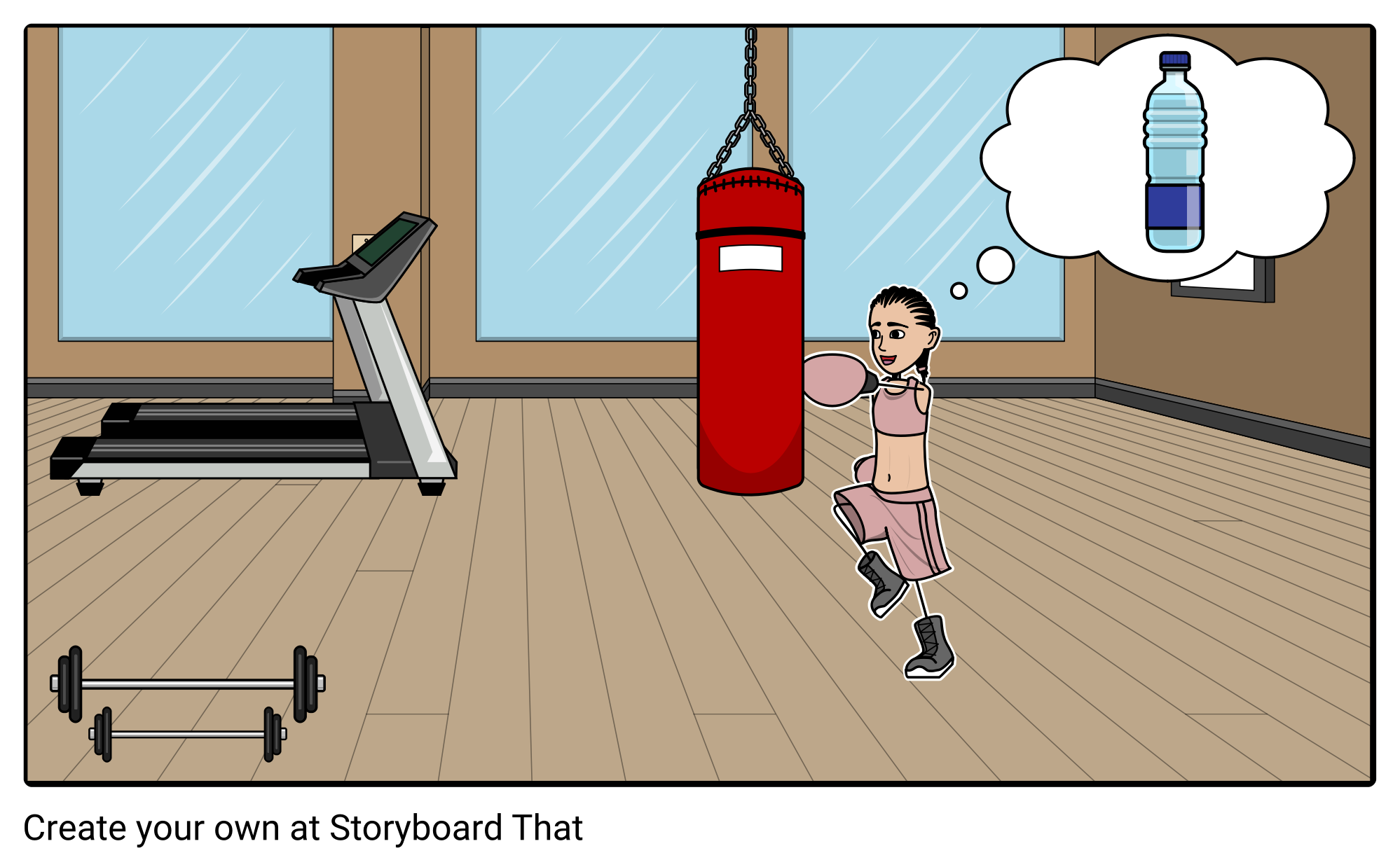
Now, please look at the woman in picture B.
Please describe the situation.
Do you think people should plan their meals to stay healthy?
If yes → Please tell me more.
If no → Why not?
Nowadays, many people like spending the holidays abroad.
Do you think this is a good idea?
If yes → Please tell me more.
If no → Why not?
Conversation(Expert Chapter 3)|日常会話(上級3章)Lesson29: Robot Teachers ロボットティーチング
In this material, you will learn advanced English conversation and vocabulary words about robot teachers.
この教材では、ロボットティーチングについて話すときに使う単語と会話を練習をします。

| 1. | How many robot-like humans are there in the picture? |
| Answer: | |
| 2. | What is the one in the middle doing? |
| Answer: |
| 1. | Are you in favor in replacing human teachers with android/robot teachers? Why or why not? |
| Answer: | |
| 2. | Do you think android/robot teachers are smarter than human teachers? |
| Answer: | |
| 3. | In your opinion, is having android/robot teachers in schools effective as having human teachers? |
| Answer: | |
| 4. | Would you enroll in a school where all teachers are robots? |
| Answer: | |
| 5. | Name two to three advantages of having android/robot teachers in schools. |
| Answer: | |
| 6. | Name two to three disadvantages of having android/robot teachers in schools. |
| Answer: | |
| 7. | Do you think android/robot teachers should receive a salary like human teachers? |
| Answer: | |
| 8. | If you are a teacher, do you think you can work along well with android/robot teachers? |
| Answer: | |
| 9. | Can you live in a world and study well where all teachers are android/robot? |
| Answer: | |
| 10. | What would you do if one day, your favorite human teacher has been replaced with an android/robot teacher? |
| Answer: |
| 1. | android |
| Meaning: | [noun] a robot designed to look and act like a human |
| Example: | The invention of android is becoming trend in the present-day world. |
| 2. | immense |
| meaning: | [adjective] extremely huge |
| example: | His immense imagination and patience brought the first android teacher to life. |
| 3. | coexist |
| meaning: | [verb] to live together in harmony |
| example: | It is possible to coexist with androids as long as humans are above them. |
| 1. android | |
| Answer: | |
| 2. immense | |
| Answer: | |
| 3. coexist | |
| Answer: |
| Grammar 文法 |
Pronunciation 発音 | Vocabulary 単語 |
Comprehension 理解 |
|
|---|---|---|---|---|
 GOOD GOOD |
文法の誤りはほとんどなく、完全な文章で話すことができる | ほとんどの単語をはっきりと正しく発音することができる | 習った表現を適切に使うことができる | 文章を理解し、質問に正しく答えることができる |
 FAIR |
文法の誤りはあるが、完全な文章で話すことができる | 発音の練習が必要な言葉がいくつかある | たまにミスはあるが、習った表現を適切に使うことができる | 文章を完全に理解するのは難しく、質問に正しく答えられないときもある |
 POOR |
文章で話すのは難しく、単語だけで話すことができる | 発音の練習が必要である | 習った単語と表現を少しだけ使うことができる | 文章を理解するのは難しく、質問に答えるのは難しい |
レッスン教材の改善・拡充を図ることを目的とし、アンケートを実施しております。
以下のURLからアンケートにお答えいただき、 ご意見・ご要望をお聞かせください。
アンケートはこちら
Conversation(Expert Chapter 3)|日常会話(上級3章)Lesson27: Tropical Countries 熱帯諸国
In this material, you will learn advanced English conversation and vocabulary words about tropical countries.
この教材では、熱帯諸国について話すときに使う単語と会話を練習をします。

| 1. | Describe the first thing (ex.: trees, sand, etc.) you noticed in the picture. |
| Answer: | |
| 2. | Do you see the small ship from the distant? |
| Answer: |
| 1. | Have you been to a tropical country? |
| Answer: | |
| 2. | Name five tropical countries that you know. |
| Answer: | |
| 3. | Would you like to live/study/work in a tropical country? Why or why not? |
| Answer: | |
| 4. | Name one tropical country that you would like to visit again and again. Why? |
| Answer: | |
| 5. | If you could bring a famous person with you, who would that be and which tropical country would you take him/her? |
| Answer: | |
| 6. | Name the three most important things you will bring when you go to a tropical country. |
| Answer: | |
| 7. | Would you bring home souvenirs from your travel? |
| Answer: | |
| 8. | Is traveling to a tropical country expensive? |
| Answer: | |
| 9. | If given the chance, would you marry someone who lives in a tropical country? |
| Answer: | |
| 10. | In your opinion, what is the most beautiful thing in a tropical country? |
| Answer: |
| 1. | staggered |
| meaning: | [adjective] very surprised, astonished |
| example: | The reopening of the famous beach in the Philippines staggered a lot of people and vacationers. |
| 2. | abundant |
| meaning: | [adjective] more than enough, having plenty of something |
| example: | Tropical countries are abundant in beaches and forests. |
| 3. | sun-kissed |
| meaning: | [adjective] used to describe the attractiveness of something/someone after staying under the sun. |
| example: | After living in a tropical country for years, her fair, white skin became sun-kissed. |
| 1. stagerred | |
| Answer: | |
| 2. abundant | |
| Answer: | |
| 3. sun-kissed | |
| Answer: |
| Grammar 文法 |
Pronunciation 発音 | Vocabulary 単語 |
Comprehension 理解 |
|
|---|---|---|---|---|
| GOOD |
文法の誤りはほとんどなく、完全な文章で話すことができる | ほとんどの単語をはっきりと正しく発音することができる | 習った表現を適切に使うことができる | 文章を理解し、質問に正しく答えることができる |
FAIR |
文法の誤りはあるが、完全な文章で話すことができる | 発音の練習が必要な言葉がいくつかある | たまにミスはあるが、習った表現を適切に使うことができる | 文章を完全に理解するのは難しく、質問に正しく答えられないときもある |
POOR |
文章で話すのは難しく、単語だけで話すことができる | 発音の練習が必要である | 習った単語と表現を少しだけ使うことができる | 文章を理解するのは難しく、質問に答えるのは難しい |
レッスン教材の改善・拡充を図ることを目的とし、アンケートを実施しております。
以下のURLからアンケートにお答えいただき、 ご意見・ご要望をお聞かせください。
アンケートはこちら
Conversation(Expert Chapter 3)|日常会話(上級3章)Lesson25: Global Warming 地球温暖化
In this material, you will learn advanced English conversation and vocabulary words about global warming.
この教材では、地球温暖化について話すときに使う単語と会話を練習をします。

| 1. | What is happening in the picture? |
| Answer: | |
| 2. | Would you like to live near that area? |
| Answer: |
| 1. | What comes in your mind when you hear the word “global warming”? |
| Answer: | |
| 2. | Is global warming being felt in your country? |
| Answer: | |
| 3. | Name some cause and effect of global warming. |
| Answer: | |
| 4. | Is climate change and frequent natural catastrophes the result of global warming? Why or why not? |
| Answer: | |
| 5. | If you have the power to remove one cause of global warming, what would it be and why? |
| Answer: | |
| 6. | Do you think global warming will worsen in the next five years? Why or why not? |
| Answer: | |
| 7. | In what ways you can conserve more water and electricity? |
| Answer: | |
| 8. | Are humans fully responsible for causing global warming? Why or why not? |
| Answer: | |
| 9. | What are the most common pollution/s in your country? |
| Answer: | |
| 10. | Describe the world without global warming. Would you like to live in that kind of world? |
| Answer: |
| 1. | drought |
| meaning: | [noun] a long period of time where a place/land receives little to no rain |
| example: | A severe drought has ruined plenty of crops. |
| 2. | catastrophe |
| meaning: | [noun] a very alarming event causing a great destruction |
| example: | The country is facing a tremendous catastrophe due to global warming. |
| 3. | greenhouse effect |
| meaning: | [idiom] an effect when the Earth’s atmosphere is filled with gases trapping the sun’s radiation, thus, making the Earth warmer |
| example: | One of the most common example of greenhouse effect is global warming. |
| 1. drought | |
| Answer: | |
| 2. catastrophe | |
| Answer: | |
| 3. greenhouse effect | |
| Answer: |
| Grammar 文法 |
Pronunciation 発音 | Vocabulary 単語 |
Comprehension 理解 |
|
|---|---|---|---|---|
| GOOD |
文法の誤りはほとんどなく、完全な文章で話すことができる | ほとんどの単語をはっきりと正しく発音することができる | 習った表現を適切に使うことができる | 文章を理解し、質問に正しく答えることができる |
FAIR |
文法の誤りはあるが、完全な文章で話すことができる | 発音の練習が必要な言葉がいくつかある | たまにミスはあるが、習った表現を適切に使うことができる | 文章を完全に理解するのは難しく、質問に正しく答えられないときもある |
POOR |
文章で話すのは難しく、単語だけで話すことができる | 発音の練習が必要である | 習った単語と表現を少しだけ使うことができる | 文章を理解するのは難しく、質問に答えるのは難しい |
レッスン教材の改善・拡充を図ることを目的とし、アンケートを実施しております。
以下のURLからアンケートにお答えいただき、 ご意見・ご要望をお聞かせください。
アンケートはこちら
Conversation(Expert Chapter 3)|日常会話(上級3章)Lesson23: Endangered Species 絶滅危惧種
In this material, you will learn advanced English conversation and vocabulary words about endangered species.
この教材では、絶滅危惧種について話すときに使う単語と会話を練習をします。
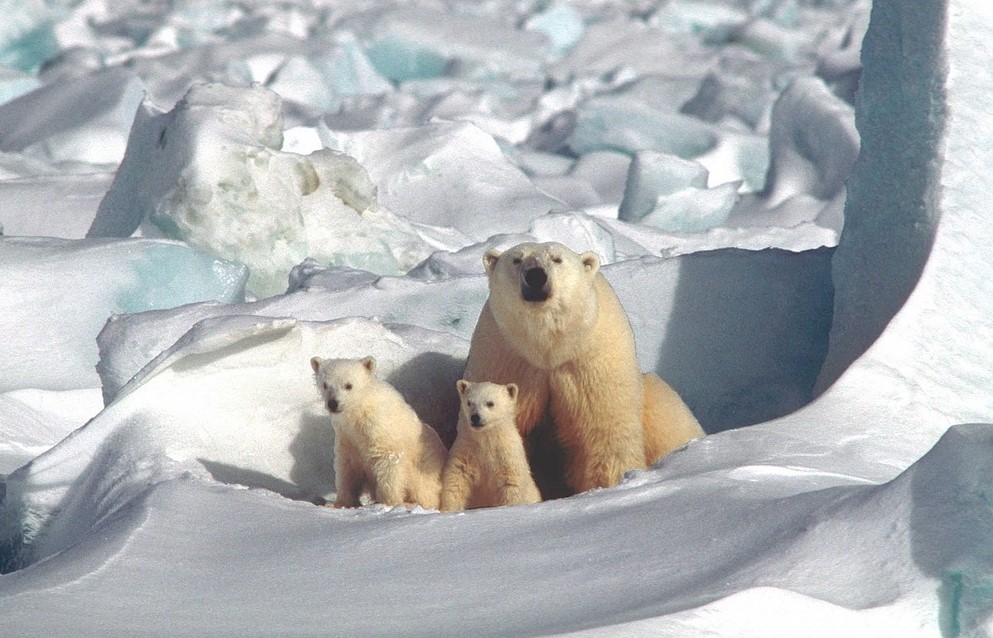
| 1. | What endangered species can you see in the picture? |
| Answer: | |
| 2. | Where do you think they live? |
| Answer: |
| 1. | Name some endangered species you know. |
| Answer: | |
| 2. | Are there endangered species in your country? |
| Answer: | |
| 3. | Are you worried that endangered species might go extinct? |
| Answer: | |
| 4. | Are humans to blame why there are endangered species? |
| Answer: | |
| 5. | Would you like to work in a company that helps and protects endangered species? Why or why not? |
| Answer: | |
| 6. | Do you think it is important for people to know which animals are endangered? Why or why not? |
| Answer: | |
| 7. | What can you do to help save endangered species in your own simple ways? |
| Answer: | |
| 8. | Would you encourage others to help you save endangered species? |
| Answer: | |
| 9. | What endangered animal best describes you? |
| Answer: | |
| 10. | Is it possible for humans to be endangered in the future? |
| Answer: |
Please repeat after me.
| 1. | extinct |
| meaning: | [adjective] not existing anymore, disappear forever |
| example: | Many endangered animals are going to be extinct if humans won’t stop hunting them. |
| 2. | vulnerable |
| meaning: | [adjective] easy to hurt and be harmed |
| example: | Polar bears are in vulnerable state due to the thinning of ice caps. |
| 3. | beating a dead horse |
| meaning: | [idiom] wasting an effort to something/someone when there is no chance/hope at all |
| example: | They are beating a dead horse because no companies will support them in protecting endangered species. |
| 1. extinct | |
| Answer: | |
| 2. vulnerable | |
| Answer: | |
| 3. beating a dead horse | |
| Answer: |
| Grammar 文法 |
Pronunciation 発音 | Vocabulary 単語 |
Comprehension 理解 |
|
|---|---|---|---|---|
| GOOD |
文法の誤りはほとんどなく、完全な文章で話すことができる | ほとんどの単語をはっきりと正しく発音することができる | 習った表現を適切に使うことができる | 文章を理解し、質問に正しく答えることができる |
FAIR |
文法の誤りはあるが、完全な文章で話すことができる | 発音の練習が必要な言葉がいくつかある | たまにミスはあるが、習った表現を適切に使うことができる | 文章を完全に理解するのは難しく、質問に正しく答えられないときもある |
POOR |
文章で話すのは難しく、単語だけで話すことができる | 発音の練習が必要である | 習った単語と表現を少しだけ使うことができる | 文章を理解するのは難しく、質問に答えるのは難しい |
レッスン教材の改善・拡充を図ることを目的とし、アンケートを実施しております。
以下のURLからアンケートにお答えいただき、 ご意見・ご要望をお聞かせください。
アンケートはこちら