Please repeat after me.
| Answer: |

| 1. |
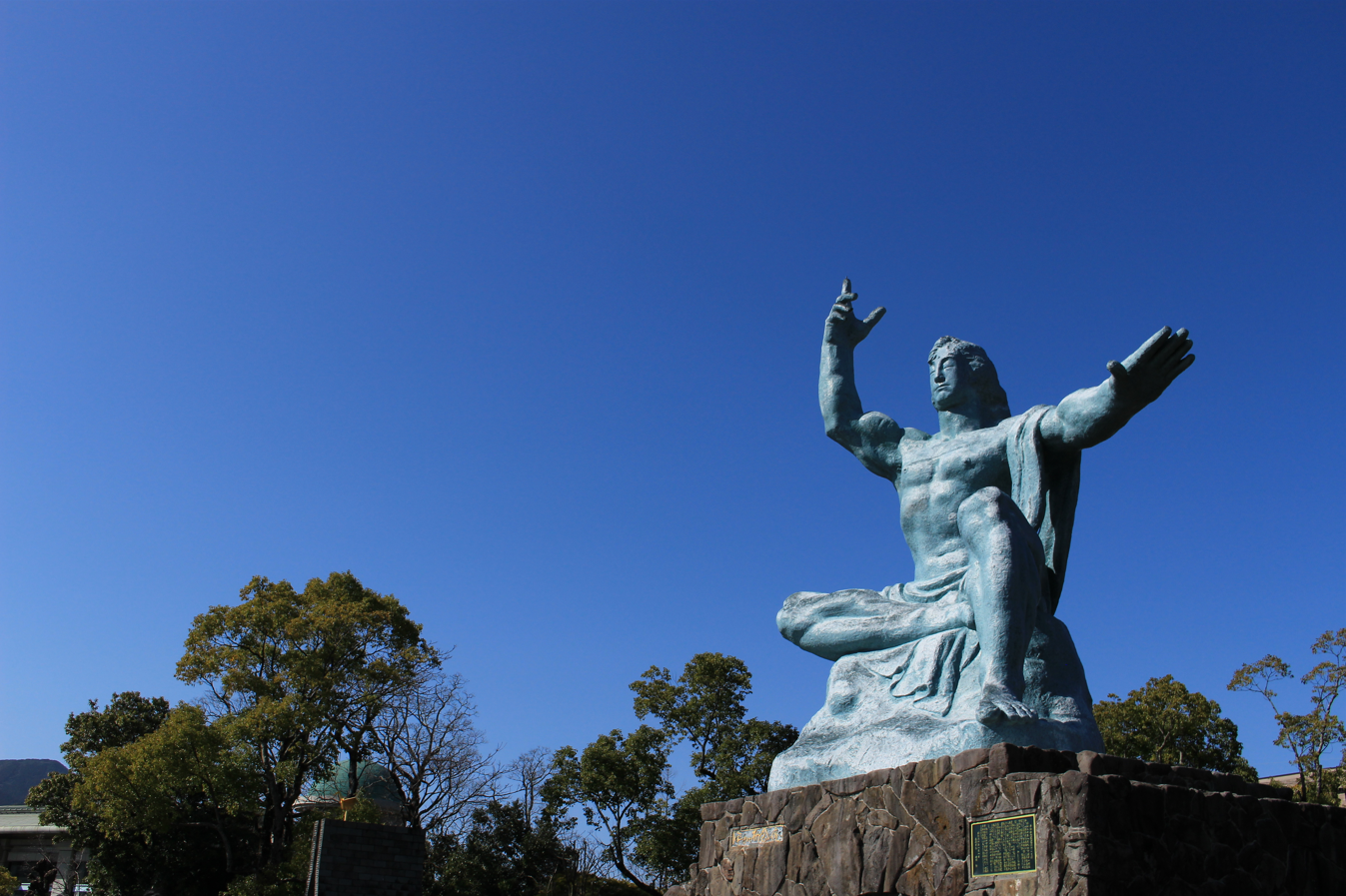
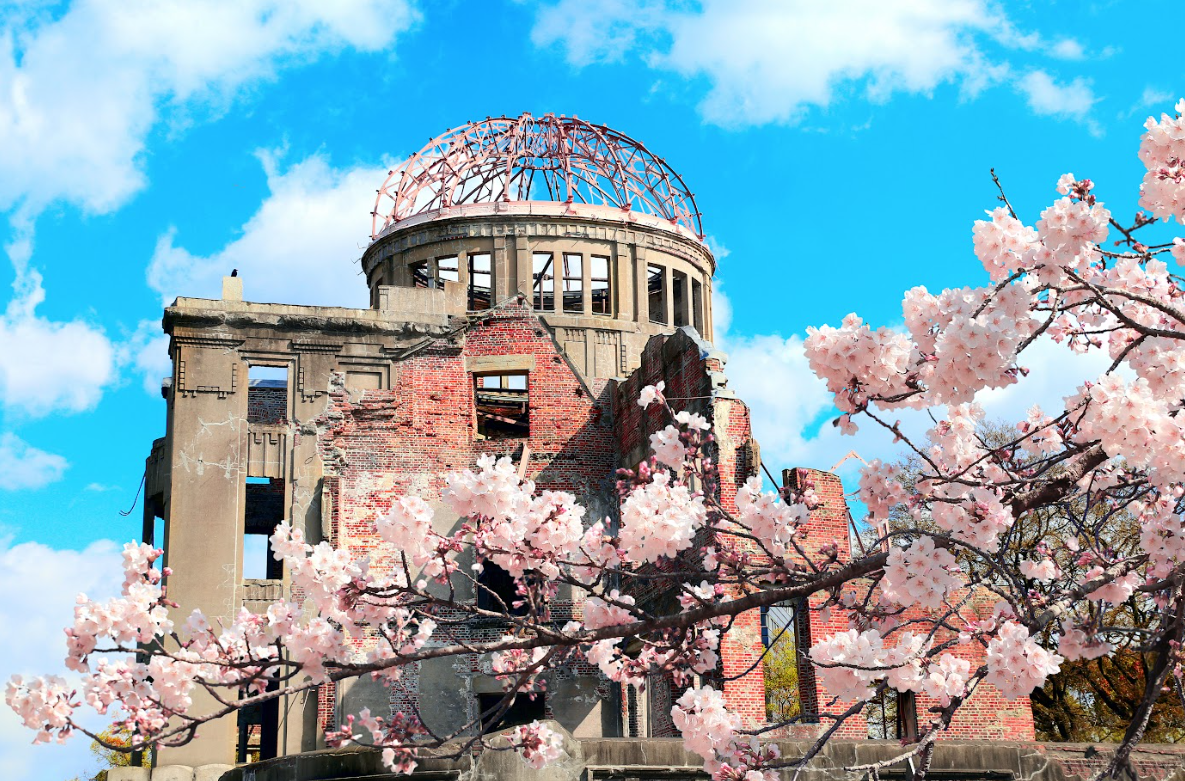
Have you ever been to Hiroshima or Nagasaki? (These are the cities where atomic bombs were dropped.) ▶ Yes: When did you go? What was the city like? ▶ No: Would you like to visit someday? Why or why not? |
| Answer: |
| 2. |
Have you ever been to Okinawa? (It’s the only place in Japan where a large ground battle occurred during the war.) ▶ Yes: When did you go? What was the city like? ▶ No: Would you like to visit someday? Why or why not? |
| Answer: |

D_2


E_1
F_1

| 1. | If you could only travel to the past or the future, which would you choose? Why? |
| Answer: |
| 2. | What are some good things about learning history? |
| Answer: | |
| 3. | Do you think Japan is a peaceful country now? Why or why not? |
| Answer: |
Donna katachi ka na? Bunshou o kansei saseyou.
![]() |
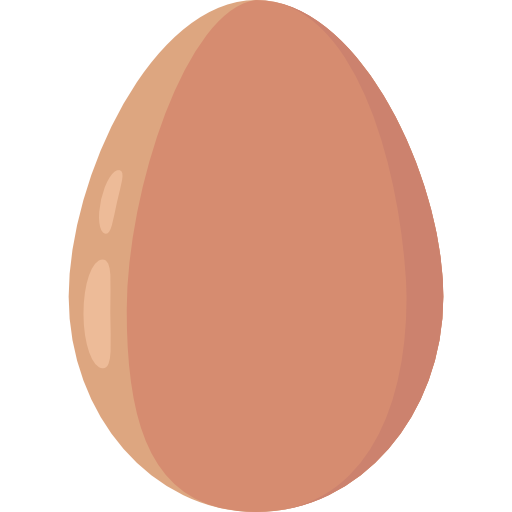
The egg is an o_a_. たまごはだえん。 |
![]() |
The hat is a tr_an_le. ぼうしはさんかく。 |
![]() |
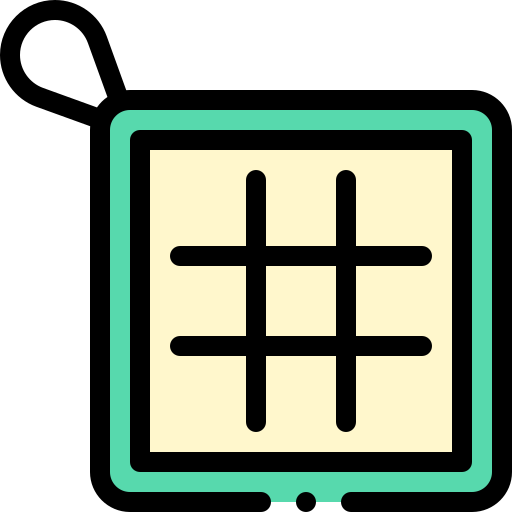
The frame is a sq_a_e. わくはしかく。 |
![]() |
The coin is a c_r_le. コインはまる。 |
![]() |
The purse is a r_ctan_le. さいふはちょうほうけい。 |
Yatte miyou! Hontoukana? Machigatteirukana?
Hai nara, ikkai te wo tatakou. iie nara, nikai te wo tatakou.
![]() |
The bean is a square. まめはしかく。 |
![]() |
The sponge is a rectangle. スポンジは ちょうほうけい。 |
![]() |
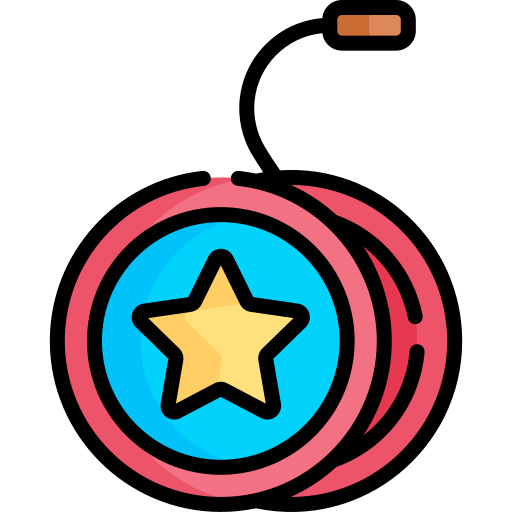
The yo-yo is a circle. ヨーヨーはまる。 |
![]() |
The sandwich is an oval. サンドイッチは だえん。 |
![]() |
The marble is a square. びーだまは しかく。 |
![]() |
The cheese is a triangle. チーズは さんかく。 |
Sensei no ittakoto wo kurikaesou.
![]() |
The rag is a square. ぬのはしかく。 |
![]() |
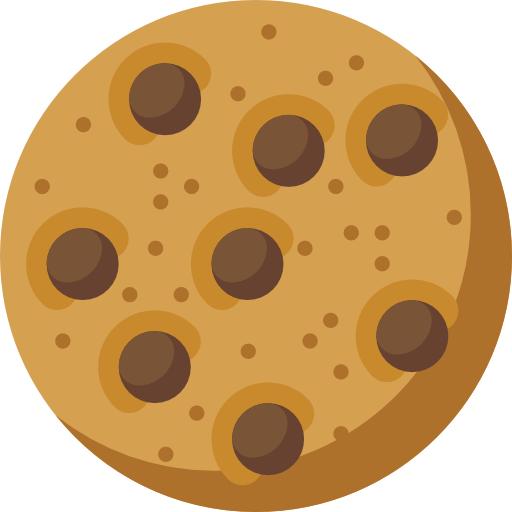
The cookie is a circle. クッキーはまる。 |
![]() |
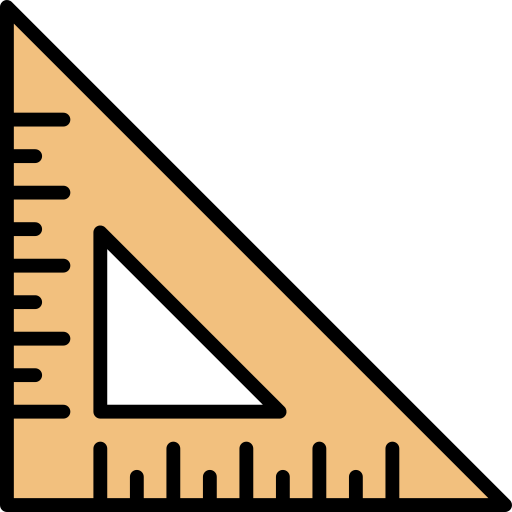
The ruler is a triangle. ものさしはさんかく。 |
![]() |
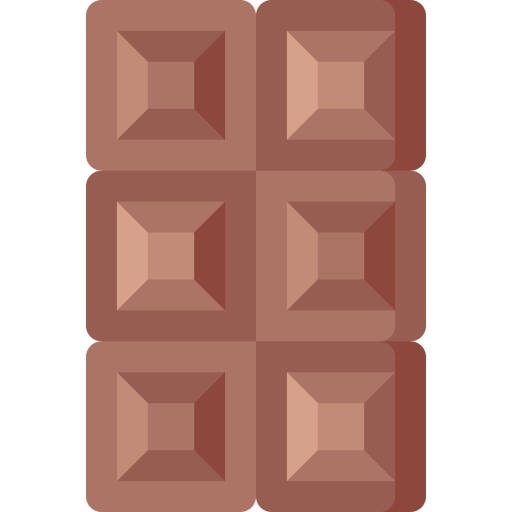
The chocolate is a rectangle. チョコレートは ちょうほうけい。 |
![]() |
The kiwi is an oval. キウイはだえん。 |
Yoku dekitane! Kyou wa arigatou. Baibai!
Naniiro kana? Bunshou wo kansei saseyou.
![]() |
The leaf is g_e_n. はっぱはみどり。 |
![]() |
The mango is y_ll_w. マンゴーはきいろ。 |
![]() |
The pail is b_ _e. バケツはあお。 |
![]() |
The tomato is r_ _. トマトはあか。 |
![]() |
The carrot is or_n_e. にんじんはオレンジ。 |
![]() |
The lizard is g_ _ _n. とかげはみどり。 |
Yatte miyou! Hontoukana? Machigatteirukana?
Hai nara, ikkai te wo tatakou. iie nara, nikai te wo tatakou.
![]() |
The tea is orange. おちゃはオレンジ。 |
![]() |
The mango is yellow. マンゴーはきいろ。 |
![]() |
The pail is blue. バケツはあお。 |
![]() |
The juice is green. ジュースはみどり。 |
![]() |
The cherry is red. さくらんぼはあか。 |
![]() |
The ice cream is blue. アイスクリームはあお。 |
Sensei no itta koto wo kurikaesou.
![]() |
A red apple. あかいりんご |
![]() |
A blue butterfly. あおいちょうちょ |
![]() |
A green skirt. みどりのスカート |
![]() |
A yellow lemon. きいろのレモン |
![]() |
An orange fish. オレンジのさかな |
Yoku dekitane! Kyou wa arigatou. Baibai!
|
| 1. | We (________) experience earthquakes in Japan. |
| (A) | constantly |
| (B) | instantly |
| Answer: |
(Compliment the customer)
The answer is (A) constantly.
Please read aloud the answer sentence(s).
Good job! Let’s move on to the next.
| Answer: |
B_5
|
| 2. | Typhoons also (________) in Japan, especially between summer and fall. |
| (A) | experience |
| (B) | occur |
| Answer: |
(Compliment the customer)
The answer is (B) occur.
Please read aloud the answer sentence(s).
Good job! Let’s move on to the next.
B_7
| Answer: |
|
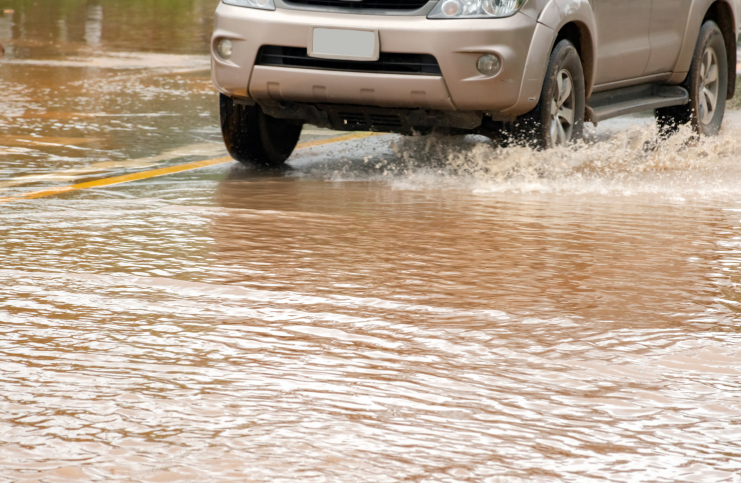
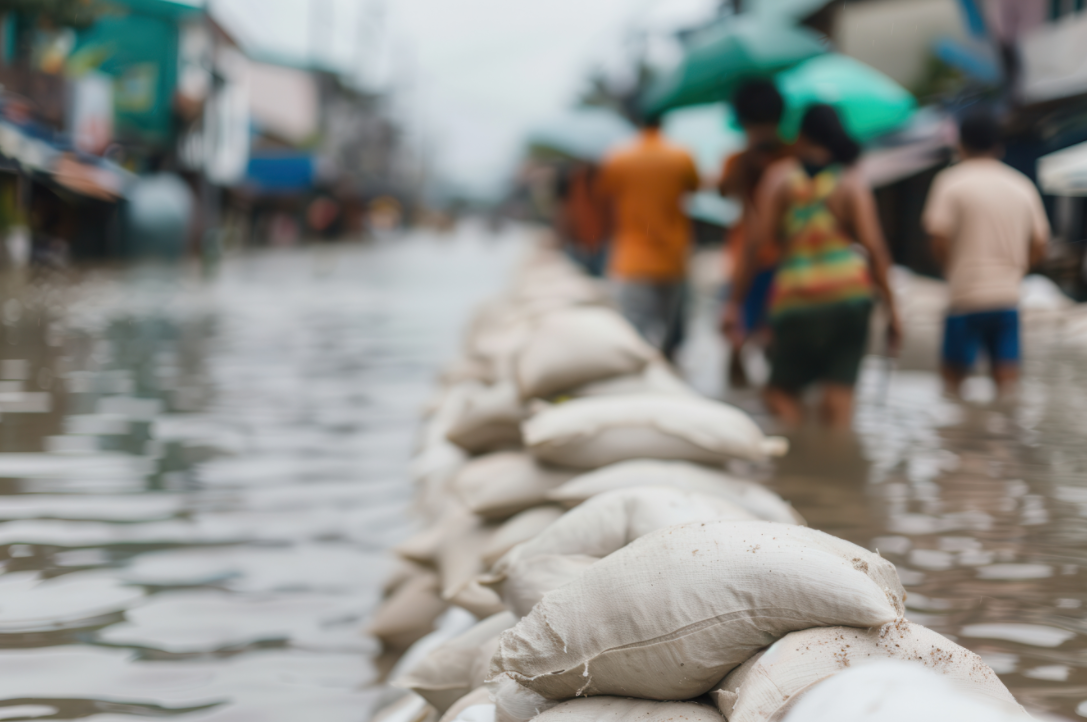
| 3. | We should (______) driving on flooded roads during heavy storms. |
| (A) | refuse |
| (B) | avoid |
| Answer: |
(Compliment the customer)
The answer is (B) avoid.
Please read aloud the answer sentence(s).
Good job! Let’s move on to the next.
| Answer: |
B_11
|
| 4. | I believe proper (______) is essential for surviving a natural disaster. |
| (A) | prediction |
| (B) | preparation |
| Answer: |
(Compliment the customer)
The answer is (B) preparation.
Please read aloud the answer sentence(s).
Good job! Let’s move on to the next.
| Answer: |
B_14
|
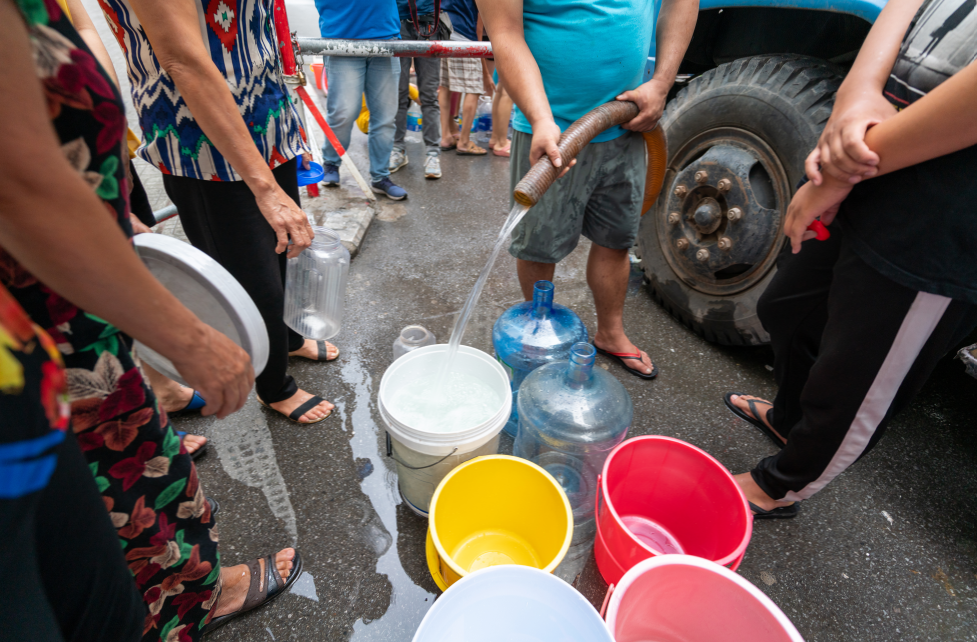
| 5. | Many people (______) to find clean water after an earthquake. |
| (A) | struggle |
| (B) | suffer |
| Answer: |
(Compliment the customer)
The answer is (A) struggle.
Please read aloud the answer sentence(s).
| Answer: |

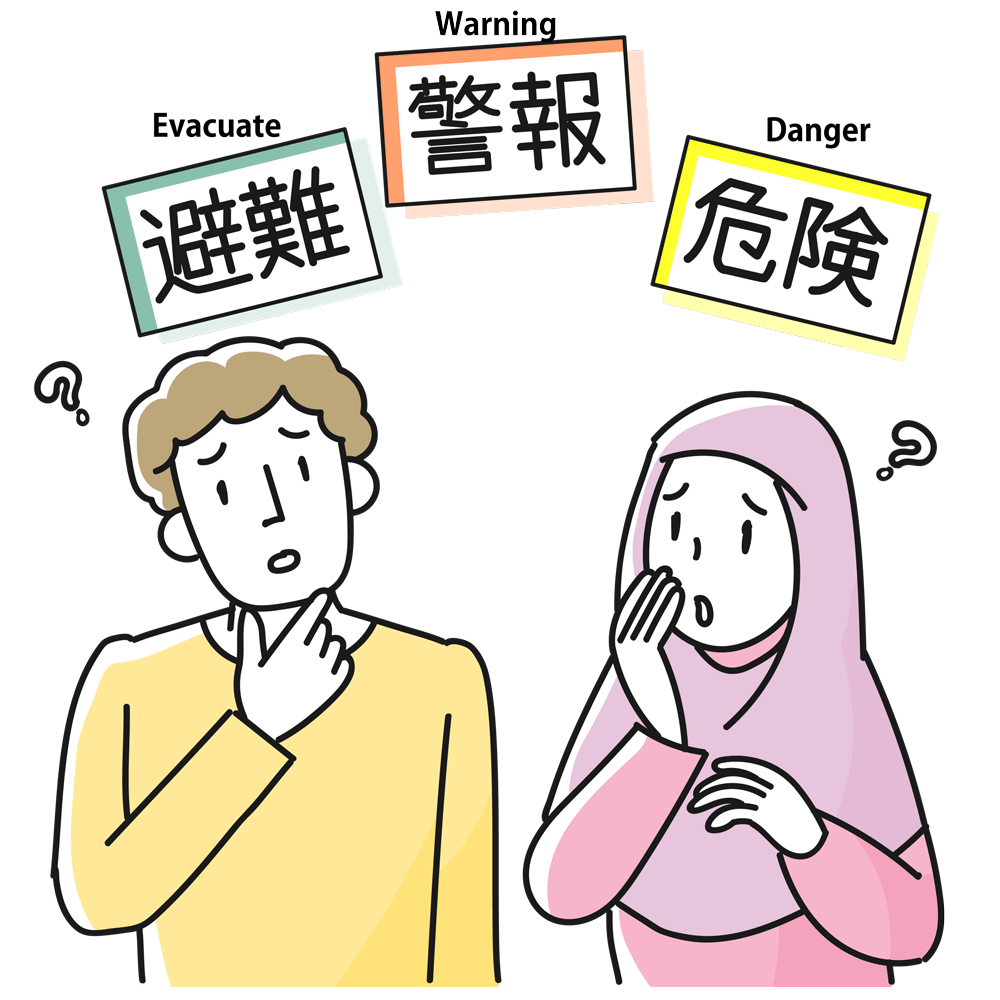
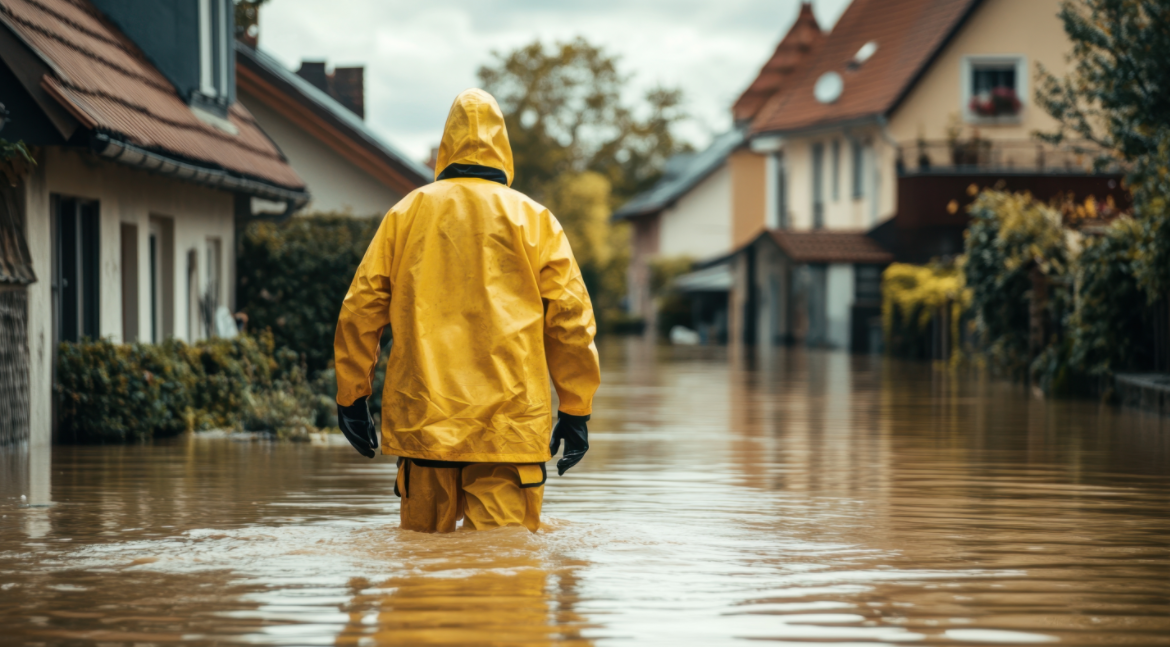
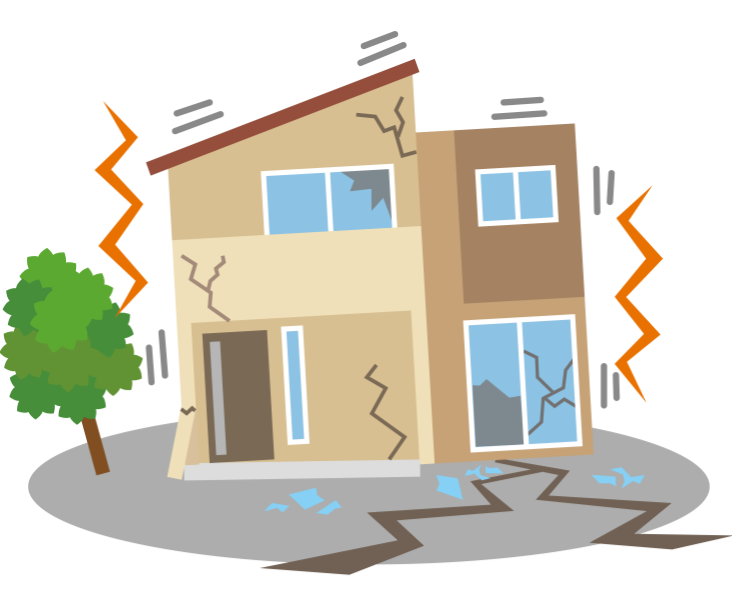
Foreigners in Japan have struggled to find proper information during earthquakes. To help them, pictograms and plain Japanese words are used. Some disaster information is available online in various languages. It is up to each of us to make full use of these tools.

Foreigners in Japan have struggled to find proper information during earthquakes. To help them, pictograms and plain Japanese words are used. Some disaster information is available online in various languages. It is up to each of us to make full use of these tools.
| 1. | What do hazard maps show? |
| Answer: |
(Compliment the customer)
The answer is “They show the nearest evacuation sites.”
Please read aloud the answer sentence(s).
Good job! Let’s move on to the next.
| 1. | What are two examples of new technologies used in disaster preparation? |
| Answer: |
(Compliment the customer)
The answer is “Emergency food and an emergency radio.”
Please read aloud the answer sentence(s).
Good job! Let’s move on to the next.
| 1. | How does Japan help foreigners understand disaster information? |
| Answer: |
(Compliment the customer)
The answer is “By using pictograms and plain Japanese words.”
Please read aloud the answer sentence(s).
Good job!
TUTOR NOTE: This is the end of the tutor’s guide. Please return to the student copy.
| Answer: |
![]() |
| 1. | We (________) experience earthquakes in Japan. |
| (A) | constantly |
| (B) | instantly |
| Answer: |
| Answer: |
![]() |
| 2. | Typhoons also (________) in Japan, especially between summer and fall. |
| (A) | experience |
| (B) | occur |
| Answer: |
| Answer: |
![]() |
| 3. | We should (______) driving on flooded roads during heavy storms. |
| (A) | refuse |
| (B) | avoid |
| Answer: |
| Answer: |
![]() |
| 4. | I believe making a good (______) is essential for surviving a natural disaster. |
| (A) | prediction |
| (B) | preparation |
| Answer: |
| Answer: |
![]() |
| 5. | Many people (______) to find clean water after an earthquake. |
| (A) | struggle |
| (B) | suffer |
| Answer: |
| Answer: |

|
Tutor
|
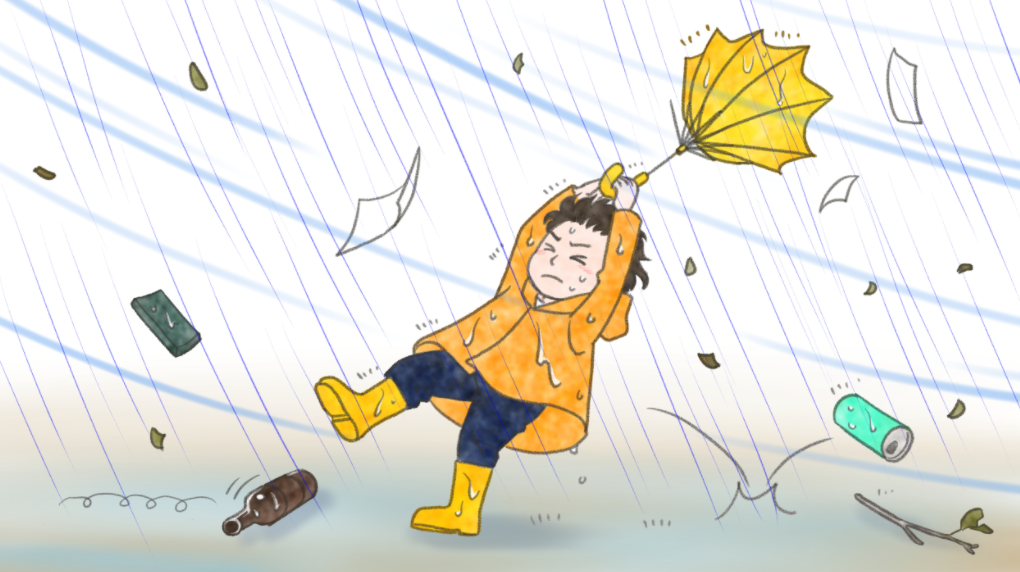
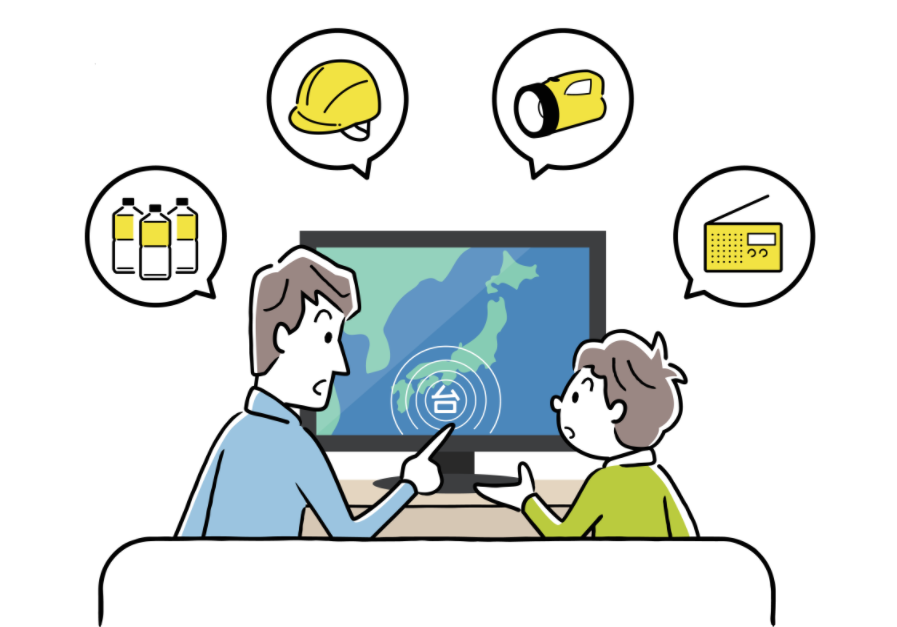
Today, let’s talk about natural disasters. In the Philippines, we experience many typhoons. Sometimes, we also have earthquakes. |
|
You
|
____________________________________________
【Hints】 ① リアクション「Oh, really?」 ② 日本の台風について伝える |
|
Tutor
|
(React first. Then, talk about typhoons in the Philippines, including their frequency, the kind of weather they bring, and their effects on towns.)
|
|
You
|
____________________________________________
【Hints】 ① リアクション「That sounds scary!」 ② 相手の経験を尋ねる 「Have you ever experienced ●●? (a big typhoon?)」 |
|
Tutor
|
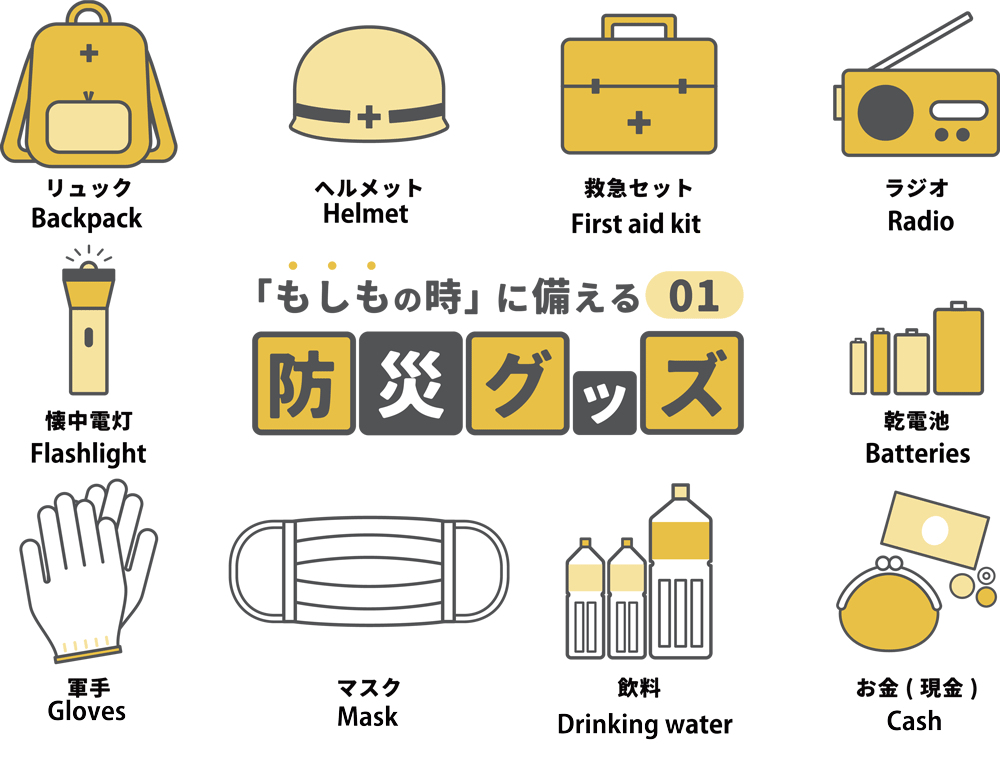
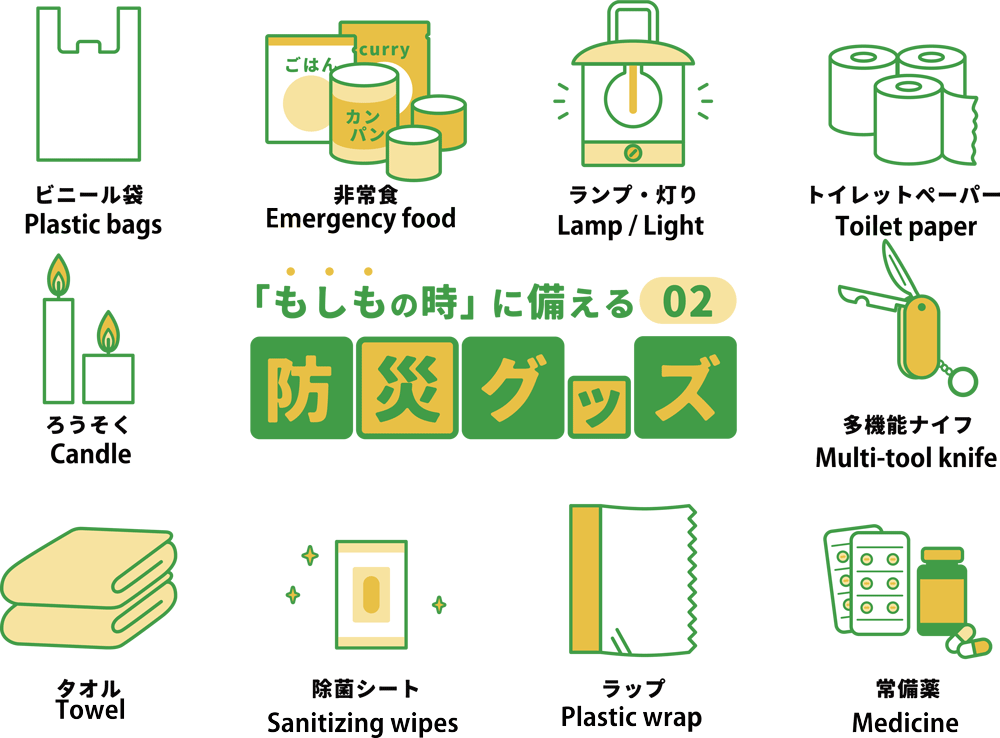
(Answer the question. Then talk specifically about your typhoon experience—when it happened, how strong the rain and wind were, what things were broken, whether there was a power outage, no water, etc.)
|
|
You
|
____________________________________________
【Example】 ① リアクション「Oh no! That’s terrible.」 |
|
Tutor
|
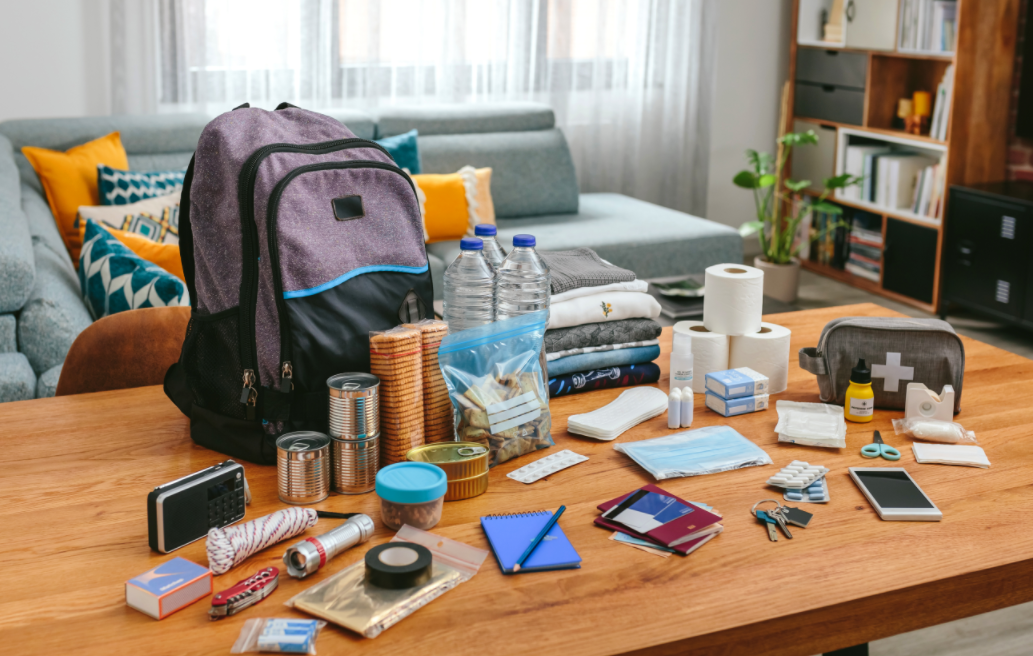
(React, then talk about how you prepare for a typhoon. For example, discuss emergency kits, checking your house, or other safety measures.)
|

|
Tutor
|
What about Japan? Which natural disasters happen there? |
|
You
|
____________________________________________
【Hints】 ① 日本では地震が多いことを伝える In Japan, ___________ constantly occur in Japan. ② フィリピンと日本の台風を比較する Also, we experience _________, but not as _______ as the Philippines. |
|
Tutor
|
(React. Ask how Japan prepares for disasters.)
|
|
You
|
____________________________________________
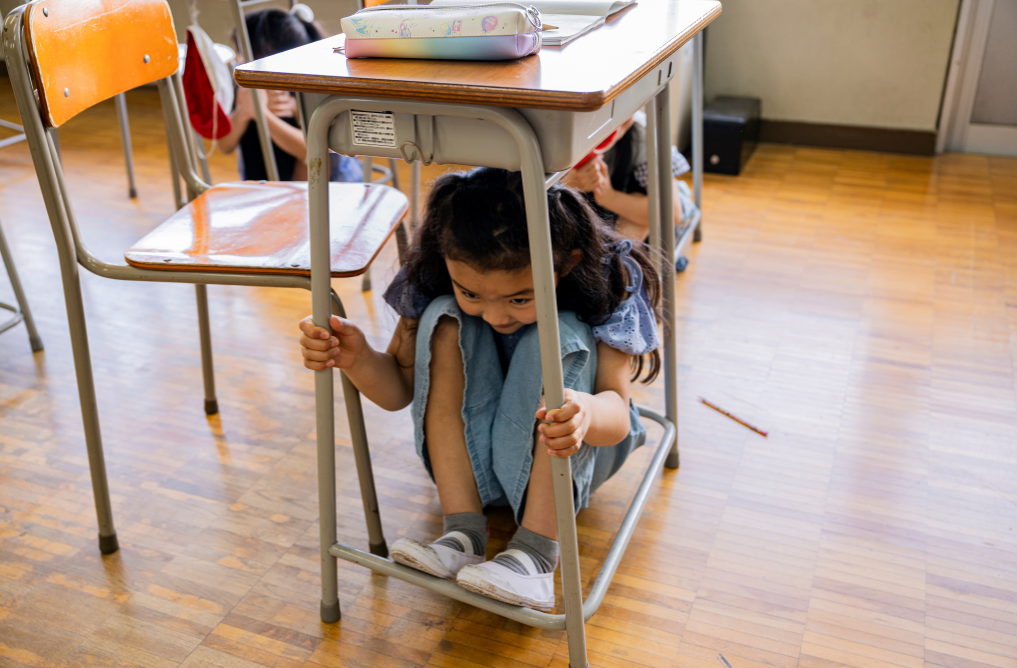
【Hints】 ① 日本の建物は地震で壊れにくくなっていることを伝える 「Many _________ in cities are strong, so they do not break easily in __________. 」 ② 学校で避難訓練が実施されていることを伝える 「Also, we have emergency drills at _______.」 |
|
Tutor
|
(React “interesting!” Then ask what they do in an emergency drill.)
|
|
You
|
____________________________________________
【Hints】 ① 避難訓練で何をするのかを伝える 「We go under the _____ first. Then, we __ outside safely.」 |
|
Tutor
|
(React in a way that shows you are impressed.)
|

Foreigners in Japan have struggled to find proper information during earthquakes. To help them, pictograms and plain Japanese words are used. Some disaster information is available online in various languages. It is up to each of us to make full use of these tools.

Foreigners in Japan have struggled to find proper information during earthquakes. To help them, pictograms and plain Japanese words are used. Some disaster information is available online in various languages. It is up to each of us to make full use of these tools.
| 1. | What do hazard maps show? |
| Answer: |
| 1. | What are two examples of new technologies used in disaster preparation? |
| Answer: |
| 1. | How does Japan help foreigners understand disaster information? |
| Answer: |


|
Example Question: In Japan, many disasters occur, but people forget about disaster preparation. How can we help them remember? Example Answer 1: I think we can do emegency drills every year and teach people how to stay safe. Because schools and companies need to practice often. Example Answer 2: In my opinion, sharing disaster information on social media and TV is helpful. Also, families should check their emergency kits once a year. |
| 1. |
Some people in Japan prepare emergency kits with food, water, flashlights, and batteries. What is the most important item for your emergency kit? Why? 【Hints】 – water, important, to survive. – a phone charger, contact, family |
| Answer: | I think _______________________________________. Because ______________________________________. |
| 2. |
Some people say that Japan should give more disaster information in other languages, but others think foreigners should learn Japanese. What do you think about this? 【Hints】 – Adding more English signs, good idea, need help, not understand Japanese warnings – Learning Japanese, helpful, not only in emergency but also in daily life |
| Answer: | In my opinon, _________________________________. |
| 3. |
Recent studies show that climate change has something to do with natural disasters. Do you think we can avoid natural disasters in the future? Why or why not? 【Hints】 – we cannot stop disasters, we can prepare better. – If, technology progress (進歩), helps predict (推測) disasters |
| Answer: |

| 1. | What can we do to deal with future disasters? |
| Answer: |
| 2. | What was the scariest disaster? |
| Answer: |
| Answer: |

| 1. |
Do you usually read books? If so, what kind of books do you read? If not, where do you usually get information? |
| Answer: |
| 2. | Do you often talk with your parents? | |
| Answer: |
| 3. | Do you often give advice to your friends or ask for advice? |
| Answer: |
B_3

|
Ryu:
|
Did you see the discussion on WeVideo yesterday? |
|
Nicky:
|
Yeah, one scientist said that exercise isn’t as important as it used to be to lose weight*. |
|
Ryu:
|
They said diet apps make losing weight easier than doing exercise every day. |
|
Nicky:
|
What do you think about that? |
|
Ryu:
|
I don’t think it’s that easy. In my opinion, real exercise is better for your health than just eating less*. |
|
Nicky:
|
I’m with you. Exercise is not only good for our bodies but also makes us feel better too. |
|
Ryu:
|
I totally agree. |
| 1. | Do you usually exercise or play any sport? |
| Answer: |
| 2. | Which do you think is healthier, losing weight by eating less or losing weight by exercising? | |
| Answer: | I think (that) |
D_1

| Answer: |
D_3

| Answer: |
D_5
| Answer: |
Useful phrases:
‒ I think (that) 〜.
‒ Personally, 〜.
‒ For me, 〜.
D_7

|
Sonny:
|
What’s the matter, Riko? You don’t look very happy. |
|
Riko:
|
Oh, I had an argument* with my dad yesterday. |
|
Sonny:
|
Really? What happened? |
|
Riko:
|
I want to get a part-time job, but he says no. |
|
Sonny:
|
I see. If I were you, I would explain why it’s important to you. Why not talk to him again? |
|
Riko:
|
You’re right. I wish he could understand me better. |
|
Sonny:
|
I’m sure he will. I think you should show him how responsible* you are. |
|
Riko:
|
Thanks for the advice, Sonny. I’ll give it a try. |
E_4
| 1. | If you were Riko in the dialogue, would you talk to your father/mother again? |
| Answer: | If I _____ Riko, I _____________________________. |
| 2. | Have you ever had an argument with your parents? What did you argue about? |
| Answer: |
F_1

| Answer: |
F_3

| Answer: |
F_5
| Answer: |
Useful phrases:
‒ If I had to choose three items, I would 〜.
F_7
G_1

| 1. | What is your hobby? |
| Answer: |
| 2. | What hobby do you want to try? |
| Answer: |
| 3. | What are your goals for this year or next year? |
| Answer: |
| Answer: |

| 1. | Look at the map above. Where is Uruguay located? Did you already know its location? |
| Answer: |
| 2. | Do you know any foreign presidents or political leaders? If yes, could you share their names and countries? | |
| Answer: |
| 3. | When did you feel happy recently? |
| Answer: |

| 1. | What makes you happy in your school life? |
| Answer: |
| 2. | What makes you happy in your relationships with family and friends? | |
| Answer: |
| 3. | Is there anything you do to make yourself happy? If so, how? |
| Answer: | |
| 4. | Imagine your future. Which lifestyle do you think would make you happy? |
| – Living in the countryside or living in the city. Why? | |
| Answer: | |
| – Living alone or living with family. Why? | |
| Answer: | |
| – Traveling a lot or relaxing at home. Why? | |
| Answer: |


|
Answer: If I were a leader, I would like to __________________ ___________________________________________________. Because ___________________________________________. |

| 1. |
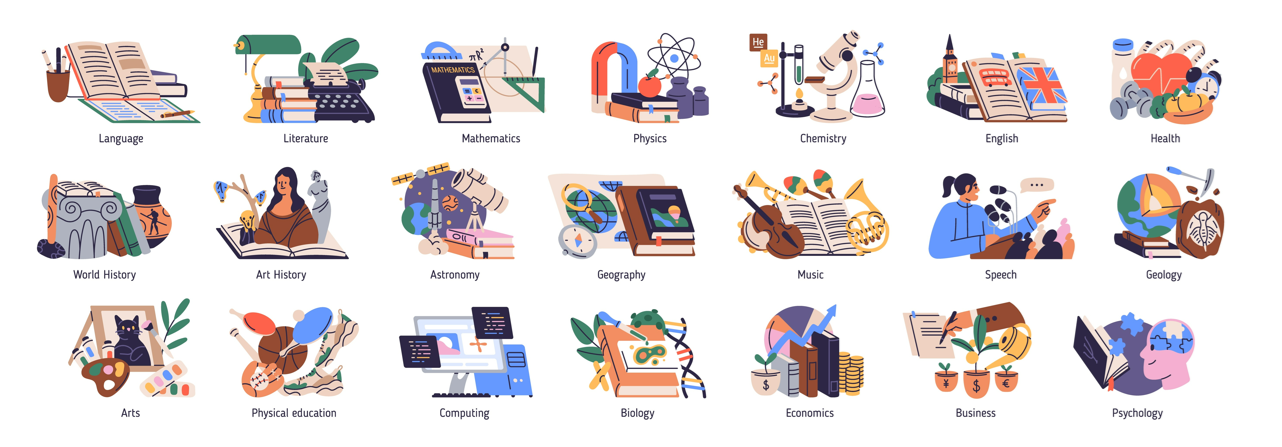
What are your top three favorite subjects? Why do you like them? What do you think they can be used for in the future? |
| Answer: |
| 2. | What do you enjoy most about your school life? |
| Answer: |
| a. | They are finishing a project by tomorrow. |
| b. | They need to write and submit the project. |
| c. | They are dividing the tasks to finish the project. |
| d. | They need to add a conclusion to finish the project. |
| Answer: |

| 1. | Look at pictures 1 and 2. What is the difference between pictures 1 and 2? |
| Answer: |
| 2. | Look at pictures 1 and 3. What is the difference between pictures 1 and 3? |
| Answer: |
| 3. | I will read the script aloud. Which picture matches the script? Please listen carefully. |

| 3. | Which picture matches the script? |
| Answer: | |
| 4. | Why did you choose that picture? Please tell me the reason and describe the picture you chose. |
| Answer: |

| 1. | What percentage of people in the 20-30 age group support remote working? | |
| Answer: | ||
| 2. | What percentage of people in the 50-60 age group support remote working? | |
| Answer: | ||
| 3. | Based on your answers to 1 and 2, explain what you can see in the graph. | |
| Answer: |

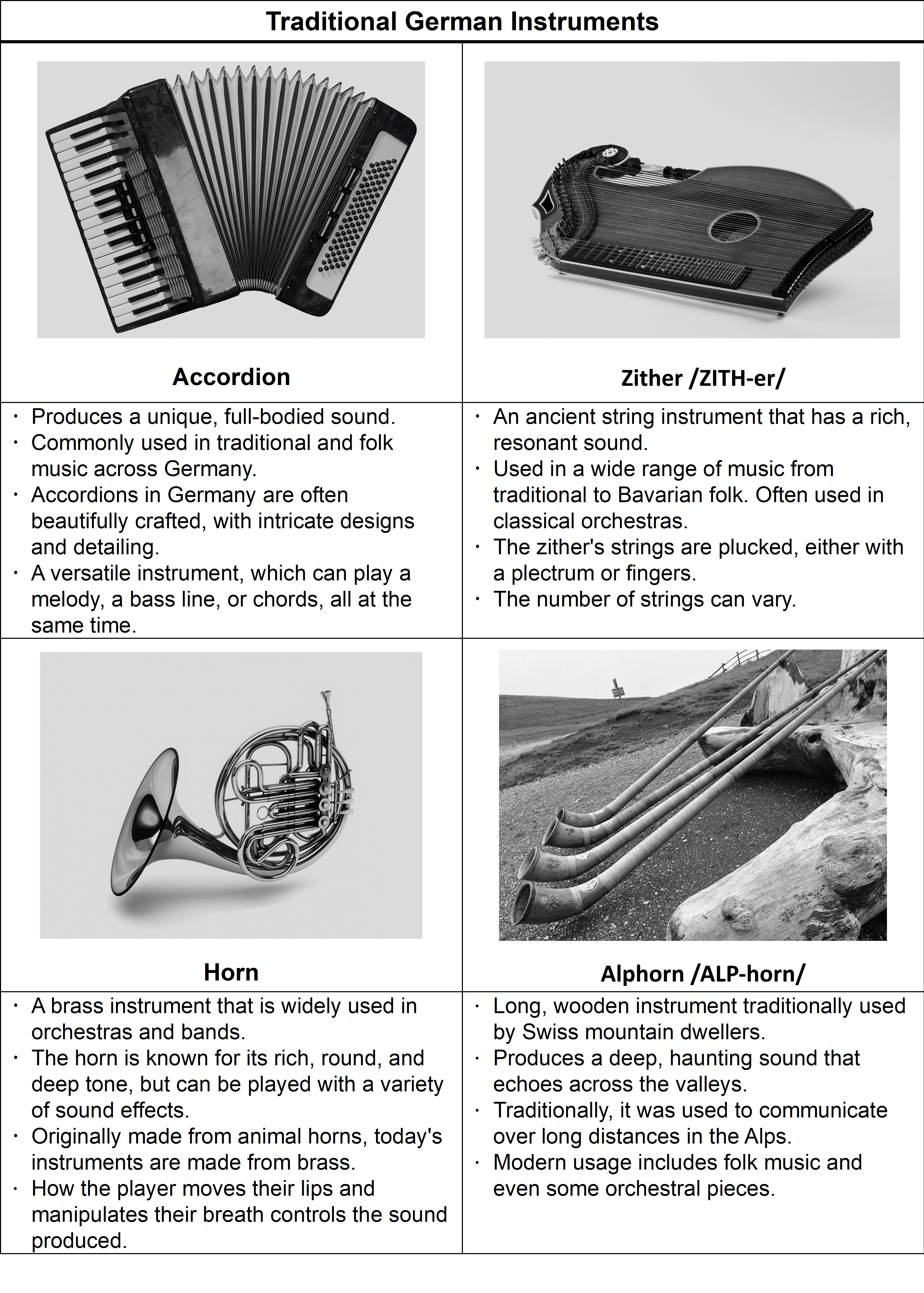
| 1. | Both the accordion and the zither … |
| a. | are known for producing a deep, haunting sound. |
| b. | are associated with traditional and folk music. |
| c. | are made from animal horns and brass. |
| d. | are used as electronic instruments in pop music. |
| Answer: |
add if needed
| 2. | Which parts of the information make you think that? |
| Answer: |

|
Noah
|
When do you usually study, Olivia? |
|
Olivia
|
I prefer studying during the day. I feel more refreshed. What about you? |
|
Noah
|
I prefer the calm of the night. That’s when I focus best. |
|
Olivia
|
Really? Don’t you feel sleepy? Isn’t night meant for sleep? |
|
Noah
|
Normally, yes. But some people, like me, are more awake at night. |
|
Olivia
|
That’s interesting. But doesn’t it affect your sleep? |
|
Noah
|
It might, but I make sure to get enough sleep. |
|
Olivia
|
But we learned in biology that our bodies are meant to be active during the day. |
|
Noah
|
True, but I guess I’m an exception. |
|
Olivia
|
Aren’t you worried that studying during the day might be healthier? |
|
Noah
|
That might be true for many, but I’ve found what works for me. |
|
Olivia
|
Hmm, I see. Everyone’s different. |
| 1. | What are they talking about? |
| Answer: | |
| 2. | Between Noah and Olivia, who agrees and who disagrees with studying at night as a good idea? |
| Agree: | |
| Disagree: | |
| 3. | What is one of the opinions in the conversation that agrees with studying at night as a good idea? |
| Answer: | ||
| 4. | What is one of the opinions in the conversation that disagrees with studying at night as a good idea? | |
| Answer: | ||
| 5. | If you agree with studying at night as a good idea, what do you think is a good point? | |
| Answer: |
| 6. | If you disagree with studying at night as a good idea, what do you think is a bad point? | |
| Answer: |
| 7. | Finally, please tell me your opinion. Do you agree or disagree with studying at night as a good idea? | |
| Answer: | I agree. / I disagree. Because ____________________________________. |


|
What do you think are the benefits of studying at different times of the day? Do you find it easier to study in a quiet environment? How do you stay focused and motivated when studying for long periods? |
| Answer: |
(Script; read along with character names)
Mia: We have to finish the school project this week.
David: That’s right. We’re supposed to submit it on paper next week.
Mia: We’ve already written the introduction and body paragraphs.
David: Are we done once we add a clear conclusion?
Mia: Yeah. But before we do that, let’s go over what we’ve finished so far.
| a. | They are finishing a project by tomorrow. |
| b. | They need to write and submit the project. |
| c. | They are dividing the tasks to finish the project. |
| d. | They need to add a conclusion to finish the project. |
| Answer: |
(Compliment the customer)
The answer is “d. They need to add a conclusion to finish the project.”
Please read aloud the answer sentence(s).
Good job! Let’s move on to the next.

| 1. | Look at pictures 1 and 2. What is the difference between pictures 1 and 2? | |
| Answer: |
———
Wonderful! Let’s move on to the next.
| 2. | Look at pictures 1 and 3. What is the difference between pictures 1 and 3? | |
| Answer: |
———

| 3. | Which picture matches the script? | |
| Answer: |
| 4. | Why did you choose that picture? Please tell me the reason and describe the picture you chose. | |
| Answer: |
———
Awesome! Let’s move on to the next.

| 1. | What percentage of people in the 20-30 age group support remote working? |
| Answer: |
| 2. | What percentage of people in the 50-60 age group support remote working? | |
| Answer: |
| 3. | Based on your answers to 1 and 2, explain what you can see in the pie chart. | |
| Answer: |
The graph shows that 65% of people in the 20-30 age group support remote working, while only 25% of people in the 50-60 age group support it. This shows that support for remote working is higher among younger age groups.
———
You did a great job reading and describing the graph!
Let’s move on to the next.

| 1. | Both the accordion and the zither … |
| a. | are known for producing a deep, haunting sound. |
| b. | are associated with traditional and folk music. |
| c. | are made from animal horns and brass. |
| d. | are used as electronic instruments in pop music. |
| Answer: |
| 2. | Which parts of the information make you think that? | |
| Answer: |

|
Noah
|
When do you usually study, Olivia? |
|
Olivia
|
I prefer studying during the day. I feel more refreshed. What about you? |
|
Noah
|
I prefer the calm of the night. That’s when I focus best. |
|
Olivia
|
Really? Don’t you feel sleepy? Isn’t night meant for sleep? |
|
Noah
|
Normally, yes. But some people, like me, are more awake at night. |
|
Olivia
|
That’s interesting. But doesn’t it affect your sleep? |
|
Noah
|
It might, but I make sure to get enough sleep. |
|
Olivia
|
But we learned in biology that our bodies are meant to be active during the day. |
|
Noah
|
True, but I guess I’m an exception. |
|
Olivia
|
Aren’t you worried that studying during the day might be healthier? |
|
Noah
|
That might be true for many, but I’ve found what works for me. |
|
Olivia
|
Hmm, I see. Everyone’s different. |
| 1. | What are they talking about? | |
| Answer: |
| 2. | Between Noah and Olivia, who agrees and who disagrees with studying at night as a good idea? | |
| Agree: | ||
| Disagree: |
———
| 3. | What is one of the opinions in the conversation that agrees with studying at night as a good idea? |
| Answer: |
| 4. | What is one of the opinions in the conversation that disagrees with studying at night as a good idea? | |
| Answer: |
| 5. | If you agree with studying at night as a good idea, what do you think is a good point? | |
| Answer: |
| 6. | If you disagree with studying at night as a good idea, what do you think is a bad point? | |
| Answer: |
| 7. | Finally, please tell me your opinion. Do you agree or disagree with studying at night as a good idea? |
| Answer: |
I agree. / I disagree. Because ____________________________________. |


|
What do you think are the benefits of studying at different times of the day? Do you find it easier to study in a quiet environment? How do you stay focused and motivated when studying for long periods? |
| Answer: |